



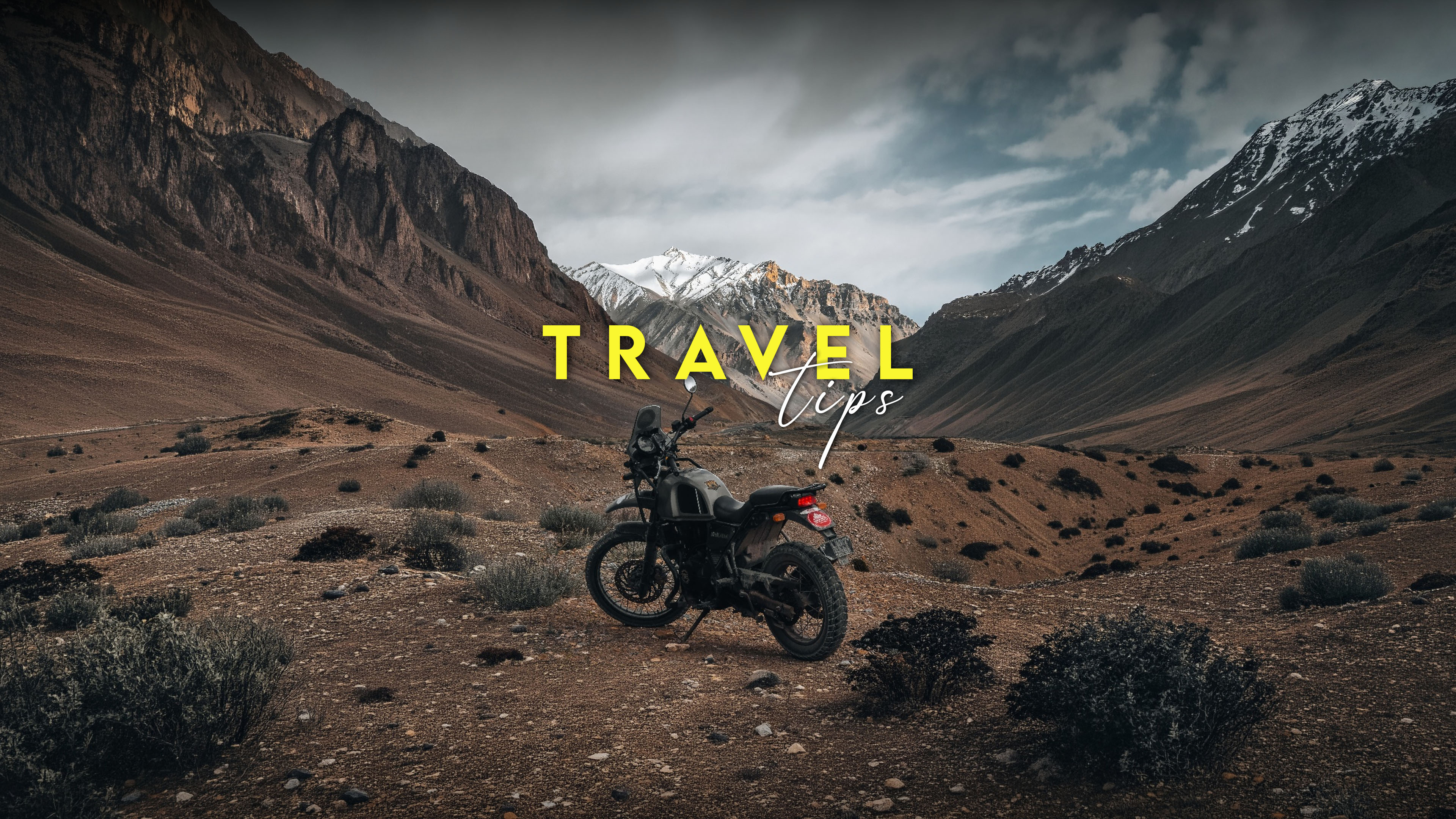
El Manual de campo de Dream Riders Field Manual
Cada consejo que encontrarás aquí se ha adquirido sobre el terreno, a lo largo de más de 17 años de experiencia, con más de 10.000 viajeros y en algunas de las carreteras más exigentes del mundo. No son consejos tomados de otras fuentes, sino conocimientos prácticos adquiridos directamente por nuestros Ride Marshals para organizar expediciones seguras e inolvidables por Ladakh, Spiti, Zanskar, Pangi, Tawang, Meghalaya, Rajastán, el sur de la India, Bután, Nepal, Sri Lanka y Vietnam. Prepárate con esta información y luego emprende el viaje con nosotros; nuestros vehículos de apoyo, mecánicos y responsables de ruta se encargarán de los riesgos para que tú simplemente disfrutes del camino.
Preparación de Equipaje y Maletas
Estrategias inteligentes de empaque para equilibrar el peso y proteger el equipo.
 Equipaje
Preparación para una Expedición con Asistencia
Como nuestra furgoneta de apoyo transporta tu equipaje pesado, solo necesitas una pequeña mochila de día en la moto.
- Bolsa de lona blanda para la furgoneta; bolsa de depósito ligera o mochila para la moto.
- Lleva siempre contigo el documento de identidad, los permisos, el dinero en efectivo, el teléfono y una capa de abrigo.
- Bolsas estancas con cierre enrollable 100 % impermeables: la lluvia en la montaña es constante.
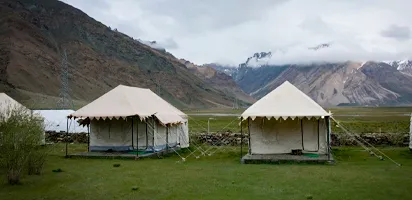 Gran Altitud
Qué llevar para Ladakh, Spiti y los pasos de gran altitud
Por encima de los 4.000 m, la temperatura puede variar 25 °C en un solo día. Prepárate para cuatro estaciones en una sola ruta.
- Capas térmicas interiores, una capa intermedia de forro polar y una capa exterior cortavientos, incluso en julio.
- Gafas de sol y protector solar de alto SPF; los rayos UV son muy intensos a gran altitud.
- Bálsamo labial, crema hidratante y gotas para los ojos; el aire enrarecido reseca y agrieta la piel rápidamente.
 Costa y Desierto
Empacar ligero para tours en climas cálidos
Rajasthan, el sur de la India, Sri Lanka y Vietnam requieren un equipamiento diferente: transpirable y centrado en la hidratación.
- Equipo de moto de malla o ventilado y camisetas que absorban la humedad.
- Capacidad adicional para llevar agua y sobres de electrolitos para el calor tropical.
- Una chaqueta impermeable ligera y plegable para las lluvias de South India, Sri Lanka y Vietnam.
Ropa y Equipamiento de Protección Todo Clima
Protección contra todo clima, estándares de armadura y capas térmicas.
 Capas
Capas
El sistema de 3 capas para conducir en el Himalaya
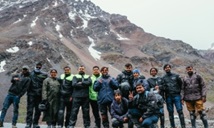
Las tres capas te mantienen abrigado en un puerto de 18.000 pies como Umling La, sin el volumen que limita la movilidad.
- Capa base de lana merina para evacuar el sudor y conservar el calor.
- Capa intermedia de forro polar cortavientos o plumón ligero para proporcionar aislamiento.
- Capa exterior impermeable y cortavientos en un color de alta visibilidad.
 Protección
Casco, protecciones y normas de seguridad
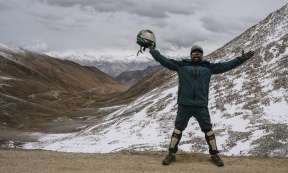
Tu casco y tus protecciones son lo único que se interpone entre tú y la carretera. No hagas concesiones en este aspecto.
- Un casco integral o de aventura con visor antivaho Pinlock.
- Protecciones CE de nivel 2 en espalda, hombros, codos y rodillas.
- Chaqueta y pantalones textiles resistentes a la abrasión, con forros extraíbles.
 Extremidades
Guantes, Botas y Pequeños Accesorios
Las manos frías y los pies mojados terminan más jornadas en el Himalaya que cualquier avería mecánica. Protege tus extremidades.
- Dos pares de guantes: cálidos e impermeables para los puertos de montaña y ventilados para los valles.
- Botas de moto impermeables con sujeción del tobillo; nunca zapatillas deportivas.
- Un buff para el cuello o un pasamontañas para protegerte del viento, el frío y el polvo.
Acondicionamiento Físico y Preparación Mental
Construya resistencia, evite la fatiga y mantenga el enfoque en rutas exigentes.
 Seguridad frente al AMS
AMS: Prevélo, no lo temas
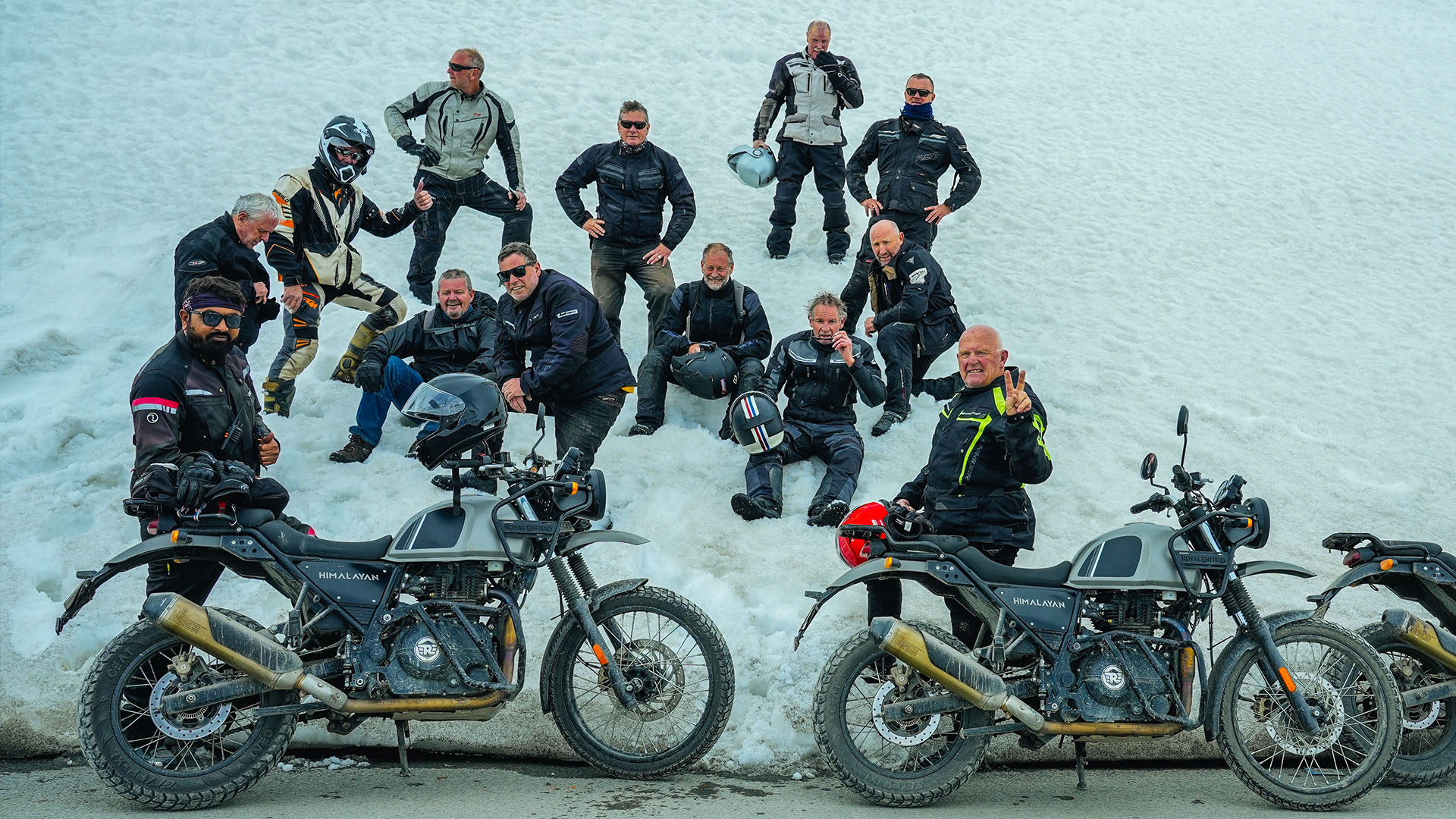
El AMS puede afectar a cualquiera. Nuestros itinerarios incluyen días de aclimatación y nuestros vehículos llevan oxígeno.
- Nos aclimatamos en Leh o Kaza antes de ascender a mayor altitud; nunca tengas prisa.
- Bebe entre 4 y 5 litros de agua al día y evita el alcohol hasta que estés aclimatado.
- Informa a tu Ride Marshal de cualquier síntoma desde el principio; el descenso es la solución.
 Preparación Física
Prepárate para Conducir
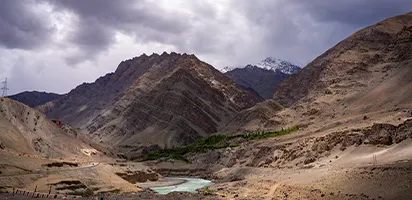
Recorrer entre 200 y 300 km al día por terrenos accidentados exige mucho de tu core, espalda y cuello. Prepararte durante unas semanas antes...
- Haz planchas y ejercicios para el core durante las 3–4 semanas previas al tour.
- Camina, monta en bicicleta o haz cardio ligero para desarrollar resistencia y adaptarte mejor al aire enrarecido.
- Haz estiramientos de muñecas, antebrazos y cuello en cada parada para tomar un chai.
 Mentalidad
La Mentalidad Adecuada para las Carreteras de Montaña
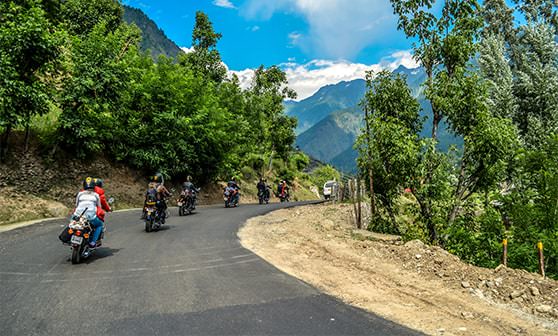
En el Himalaya, la montaña marca el ritmo. Los motoristas que saben adaptarse disfrutan de los mejores viajes.
- Ten paciencia: nuestros itinerarios incluyen tiempo adicional para posibles retrasos.
- Haz tu propia ruta: nunca persigas a un motorista más rápido para mantener su ritmo.
- Confía en las indicaciones de tu Ride Marshal; si te dice que esperes, hay una razón.
Planificación de Rutas y Navegación
Navegación GPS sin conexión, pronóstico del tiempo y cálculo de autonomía de combustible.
 Off-Road
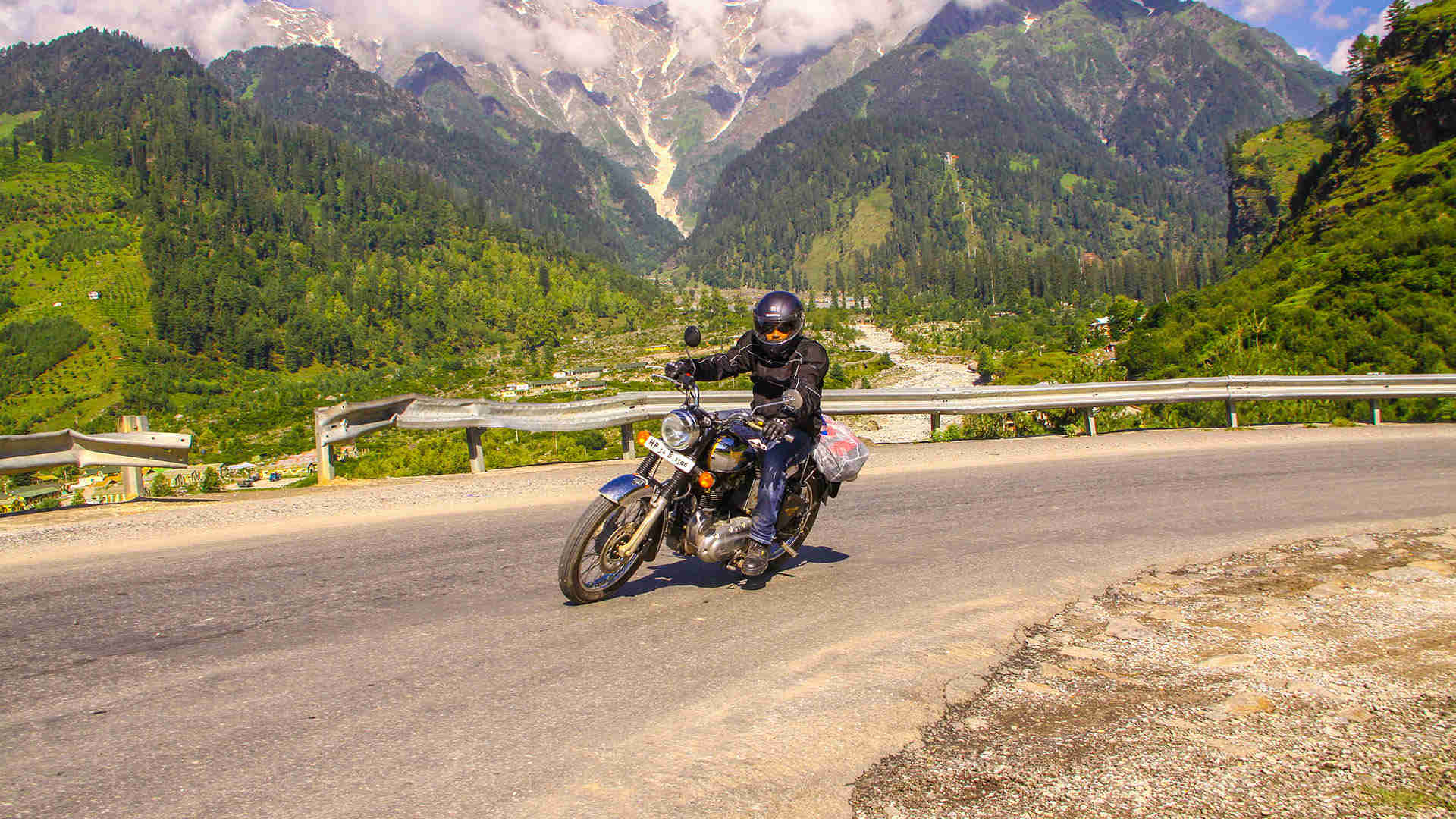
Lectura del Terreno del Himalaya
Ponerse de pie sobre los estribos permite que la motocicleta se mueva libremente debajo de ti mientras reduce tu centro de gravedad.
- Sujeta el depósito con las rodillas y relaja las manos sobre el manillar.
- Utiliza el freno trasero de forma progresiva sobre superficies sueltas.
- Mantén movimientos suaves y predecibles con el acelerador.
 Cruces de Agua
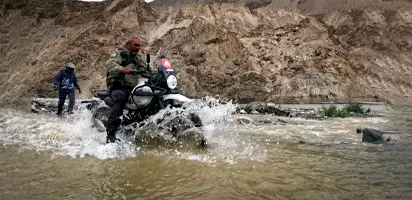
Cómo Cruzar el Agua de la Forma Correcta
Los arroyos glaciares (nallahs) de las rutas de Ladakh y Zanskar aumentan su caudal durante el día a medida que se derrite la nieve.
- Cruza temprano por la mañana, cuando el nivel del agua es más bajo.
- Mantén un acelerador constante en primera o segunda marcha: impulso, no velocidad.
- Sigue la trazada que te indique nuestro equipo de apoyo.
 Planificación de combustible
Combustible, autonomía y tramos remotos
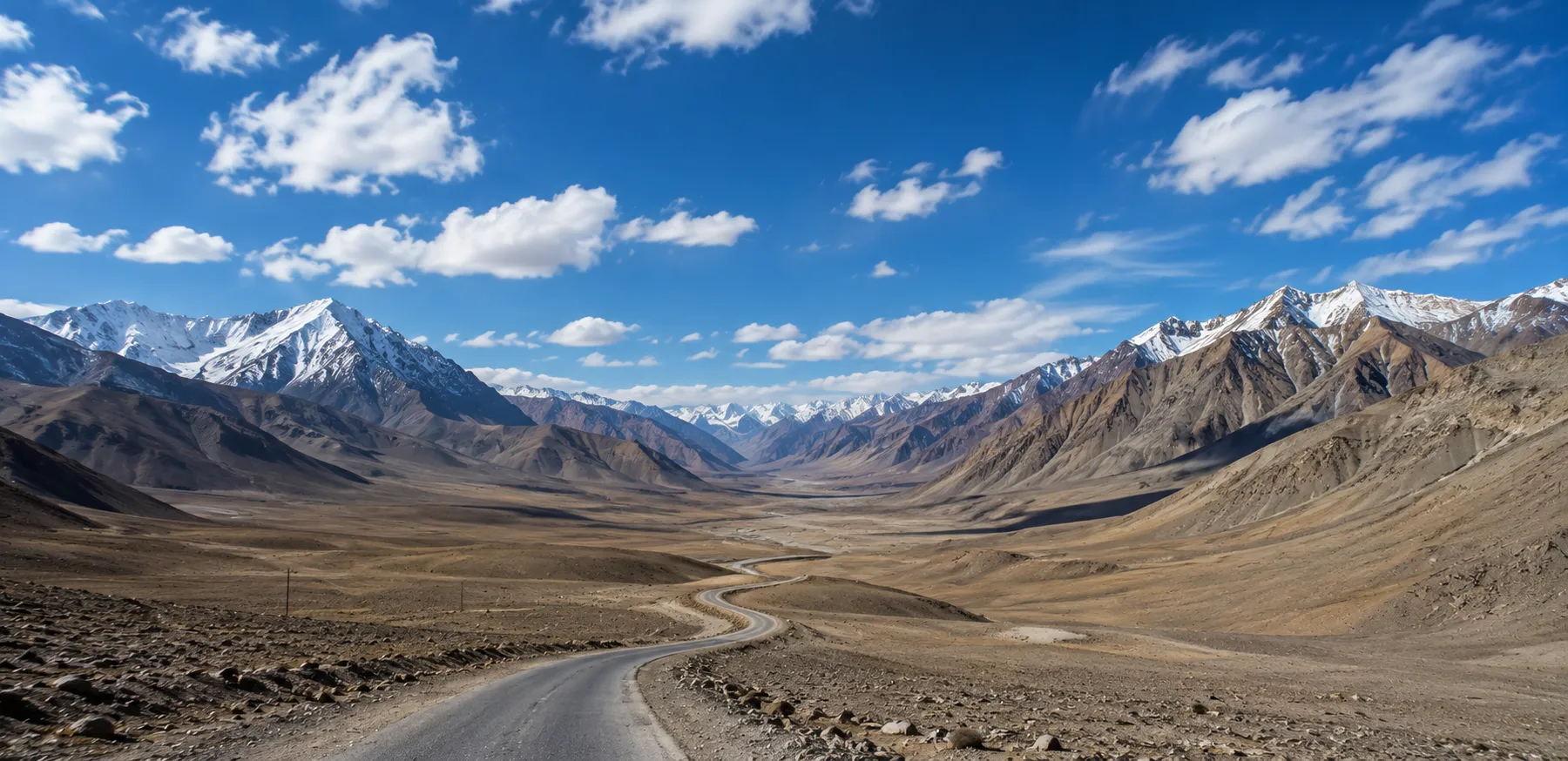
Algunos tramos superan los 350 km entre estaciones de servicio. Nuestro vehículo de apoyo lleva combustible de reserva, pero es importante c...
- Conoce la autonomía real de tu moto y reposta en cada ciudad principal.
- El tramo más allá de Tandi en dirección a Leh es uno de los intervalos más largos entre estaciones de servicio de la India.
- Nuestro vehículo de apoyo lleva combustible de reserva, por lo que ningún rider se queda tirado.
Mantenimiento de la Moto y Reparaciones en Ruta
Inspecciones previas al viaje, ajuste de presión de neumáticos y lubricación de cadena.
 Revisiones diarias
Lo que revisa nuestro mecánico cada mañana
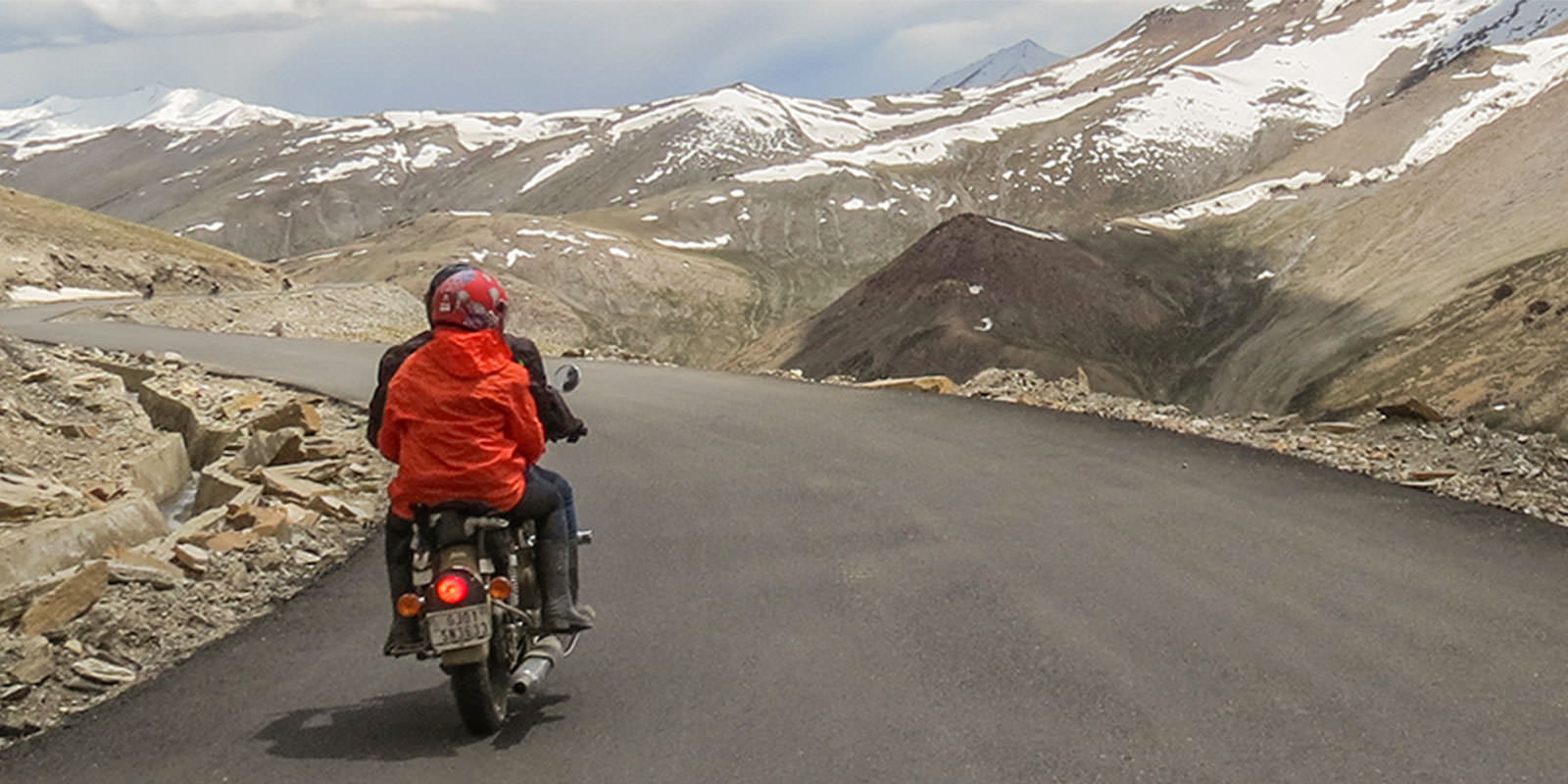
Una revisión de diez minutos por la mañana evita la mayoría de las averías. Durante el tour, nuestro mecánico se encarga de ello.
- Lubricación y tensión de la cadena, especialmente después de atravesar un cruce de agua.
- Aceite del motor en terreno plano; presión de los neumáticos ajustada al tipo de terreno.
- Frenos, luces y revisión de los tornillos para detectar cualquier pieza suelta después de tramos difíciles.
 Tu máquina
La flota de Royal Enfield que conducirás
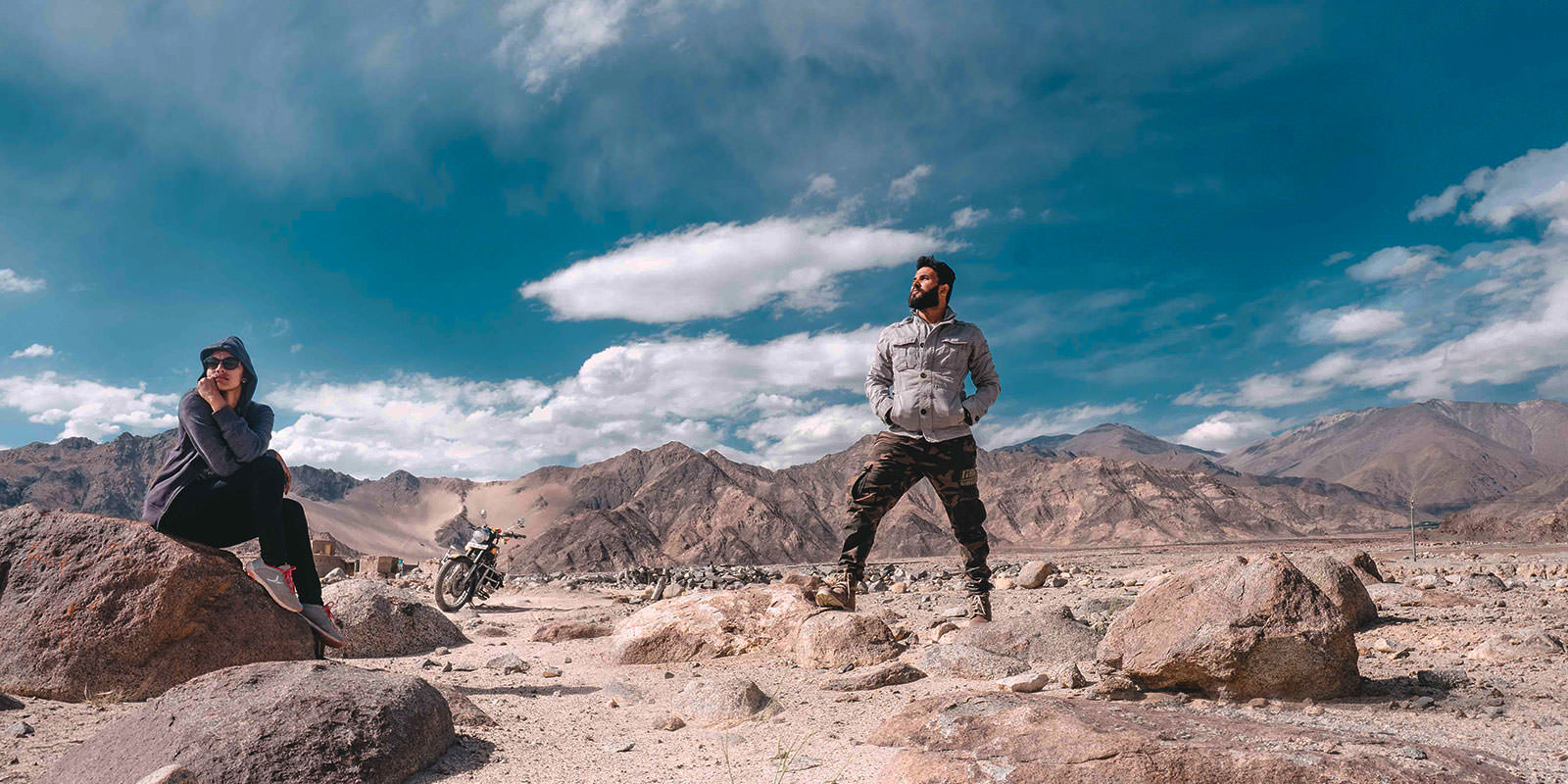
Contamos con una flota moderna y bien mantenida de Royal Enfield, preparada para este tipo de terreno.
- Motos Royal Enfield Himalayan 411cc / 450cc para los puertos de alta montaña.
- Cada moto recibe un mantenimiento completo y una inspección antes de cada tour.
- Familiarízate con los controles el primer día junto con tu Ride Marshal.
 Soporte
Conocimientos para Reparaciones en Ruta (Nosotros Nos Encargamos)
Los pinchazos pueden ocurrir en cualquier viaje largo. En nuestros tours, son responsabilidad del mecánico; esto es lo que conviene saber.
- Un pinchazo en un neumático tubeless normalmente puede repararse en ruta en cuestión de minutos.
- Nuestra furgoneta lleva repuestos, herramientas y un kit completo de mecánica.
- Si una moto no puede continuar, se carga inmediatamente en el vehículo.
Protocolos de Seguridad y Emergencias
Prevención del mal de montaña, comunicación satelital y curvas seguras.
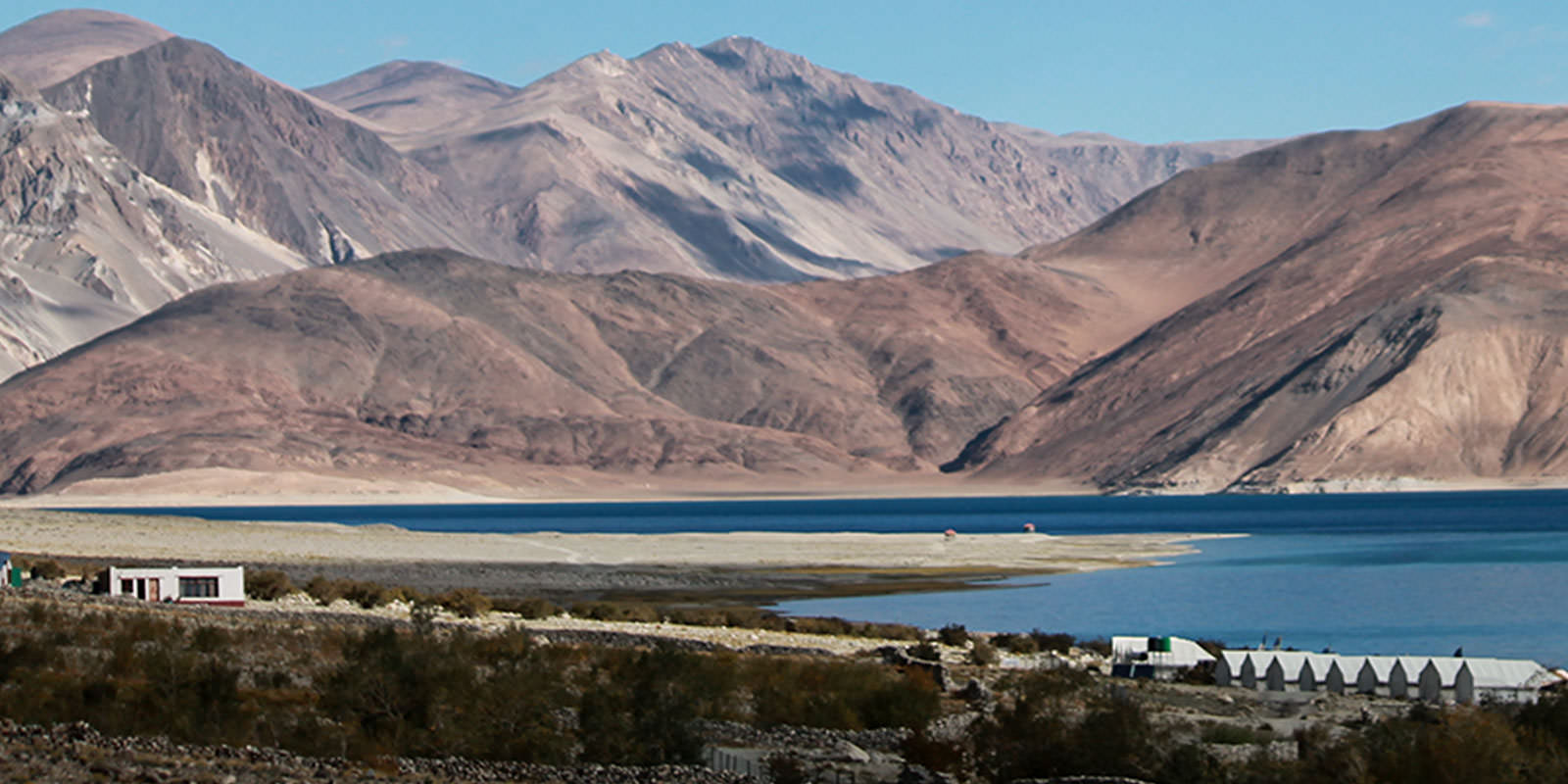 Seguridad en la conducción
Normas de circulación en montaña y curvas sin visibilidad
Las carreteras del Himalaya son estrechas, tienen curvas sin visibilidad y se comparten con camiones y convoyes militares. Unas pocas normas...
- Mantén tu carril en las curvas sin visibilidad; los vehículos que suben tienen prioridad.
- Haz sonar el claxon antes de las curvas sin visibilidad; nunca adelantes en ellas.
- Ten cuidado con la grava, las placas de hielo y el ganado en el borde exterior.
 Comunicación
Mantenerse conectado en zonas sin cobertura
La señal desaparece durante días en los valles remotos. Nuestros tours están coordinados mediante un sistema de líder y cierre, para que nad...
- Solo funcionan las tarjetas SIM indias de prepago posterior (postpago) en Ladakh (Jio/Airtel son las mejores opciones).
- Comparte tu itinerario con tu familia antes de perder la cobertura.
- Nuestro Marshal y el piloto de cierre mantienen al grupo unido en todo momento.
 Estado de alerta
Cómo gestionar la fatiga y mantenerse concentrado
La fatiga ralentiza los tiempos de reacción más de lo que muchos motoristas creen. Nuestro ritmo y nuestras paradas te ayudan a mantenerte f...
- Descansos regulares cada 60–90 minutos, incorporados a cada jornada.
- Mantente constantemente hidratado y come ligero; las comidas pesadas provocan somnolencia.
- Si estás cansado, díselo a tu Marshal; siempre hay un asiento disponible en el vehículo de apoyo.
Etiqueta de Rodada en Grupo y Formación
Formaciones en zigzag, deberes de guías y barredores y comunicación intercom.
 Formación
Cómo circula un convoy de Dream Riders
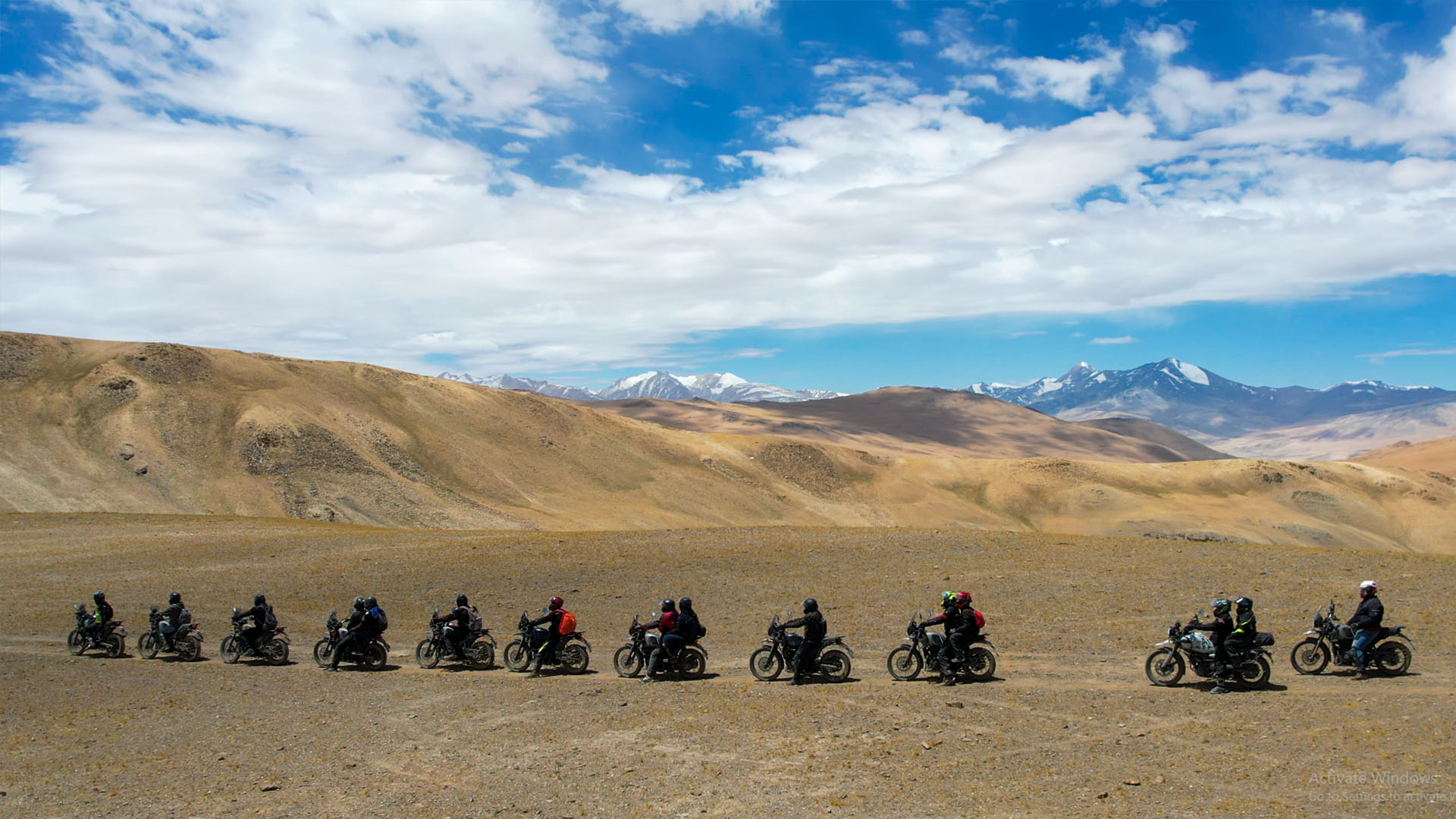
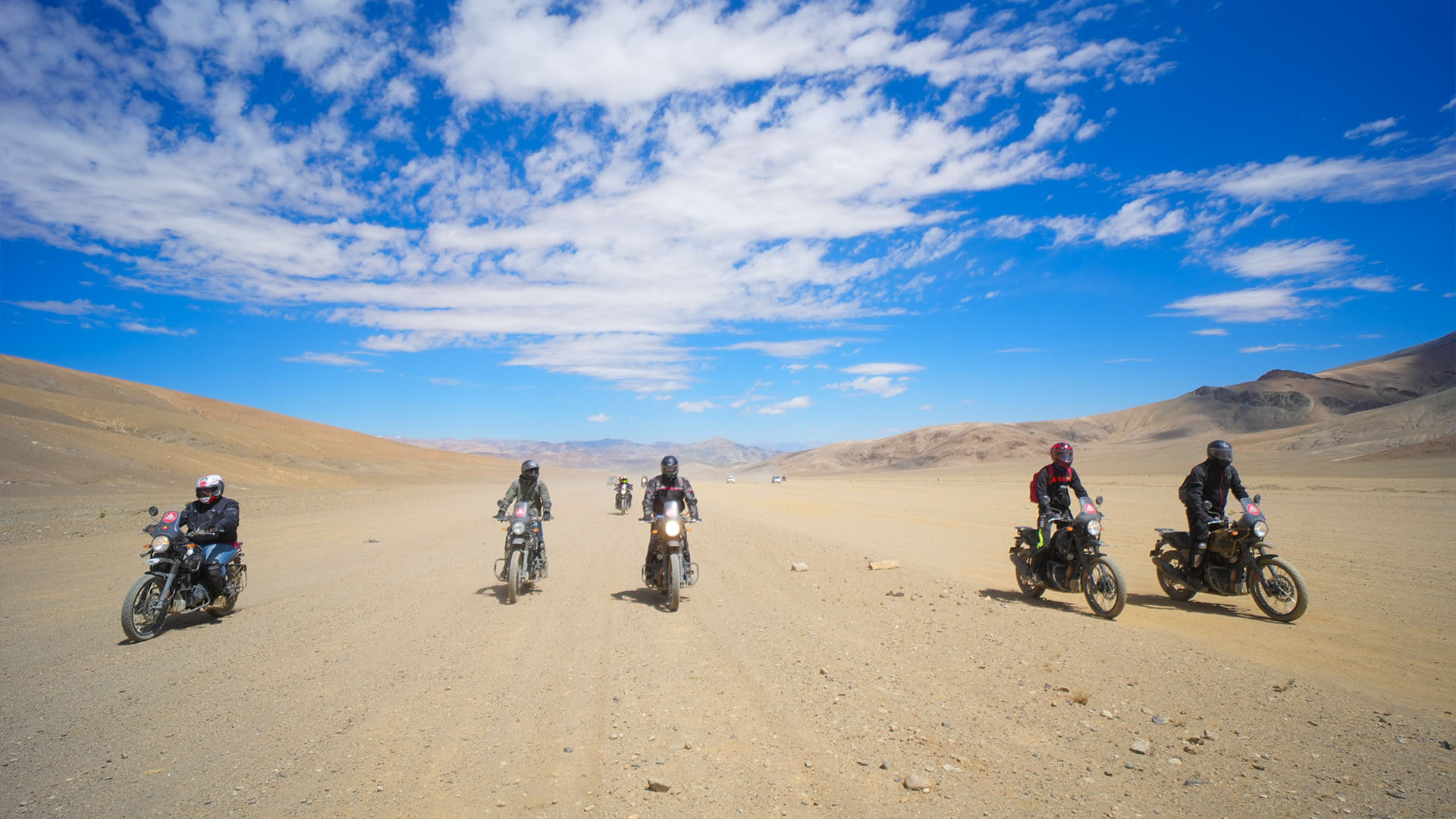
Cada expedición utiliza un sistema de líder y piloto de cierre: un Ride Marshal al frente y un piloto de cierre experimentado en la parte tr...
- Formación escalonada en carreteras abiertas y en fila única en los tramos sinuosos.
- Mantén al piloto que va detrás de ti en el retrovisor; nunca lo pierdas de vista.
- Espera en cada giro y cruce hasta que el grupo vuelva a reunirse.
 Vehículo de apoyo
Viajar en moto con apoyo de un vehículo 4x4
Nuestro vehículo de apoyo es tu red de seguridad: equipaje, repuestos, combustible, oxígeno, primeros auxilios y un asiento adicional.
- Tu equipaje pesado viaja en el vehículo de apoyo; tú conduces ligero y con libertad.
- El vehículo transporta combustible de reserva, oxígeno, herramientas y suministros médicos.
- Si un motorista o una motocicleta tiene dificultades, siempre puede continuar en el vehículo de apoyo, sin ningún tipo de juicio.
 Código de conducta
Señales de grupo y respeto mutuo
Un buen grupo se cuida mutuamente. Unos hábitos sencillos hacen que toda la ruta sea más fluida y segura.
- Aprende las señales manuales estándar para indicar peligros, repostajes y paradas.
- Nunca conduzcas más allá de tus límites para seguir el ritmo de motoristas más rápidos.
- Cuida de tus compañeros de ruta; esa camaradería es lo que perdura.
Cultura Local, Efectivo y Permisos Fronterizos
Permisos de frontera (ILP), tasas ecológicas y reservas de efectivo en pueblos aislados.
 Permisos
Permisos de Circulación y Zonas Fronterizas
Las zonas restringidas como Nubra, Pangong, Umling La y algunas partes de Spiti requieren Permisos de Circulación (Inner Line Permits). Noso...
- Chang La y otras zonas de gran altitud aplican un periodo de validez del permiso de 48 horas; el momento es importante.
- Lleva contigo tu pasaporte/documento de identidad original, junto con copias impresas de los permisos.
- Los viajeros extranjeros y los ciudadanos indios siguen procesos diferentes; nosotros nos encargamos de ambos.
 Seguridad del efectivo
Efectivo, UPI y pagos en zonas remotas
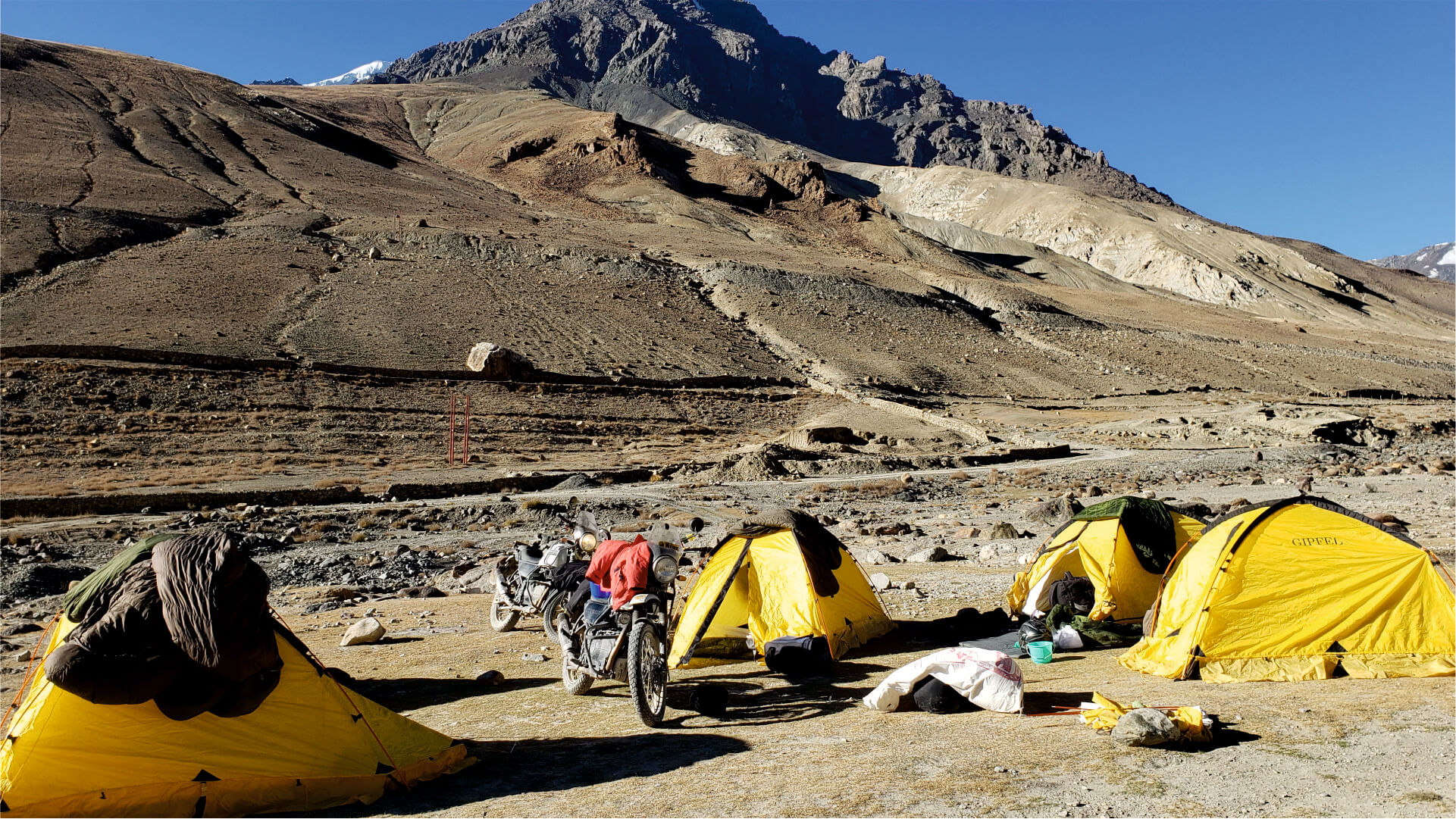
Los terminales de pago con tarjeta y UPI fallan constantemente cuando desaparece la cobertura de red en las montañas. Lleva siempre efectivo...
- Retira suficiente efectivo en las ciudades principales —Leh, Manali, Srinagar y Kaza.
- Divide tu efectivo entre dos o tres lugares, no lo guardes todo en una sola cartera.
- Lleva billetes pequeños para los puestos de chai, los alojamientos familiares y las propinas.
 Cultura y Ecología
Etiqueta en los monasterios y No Dejar Rastro
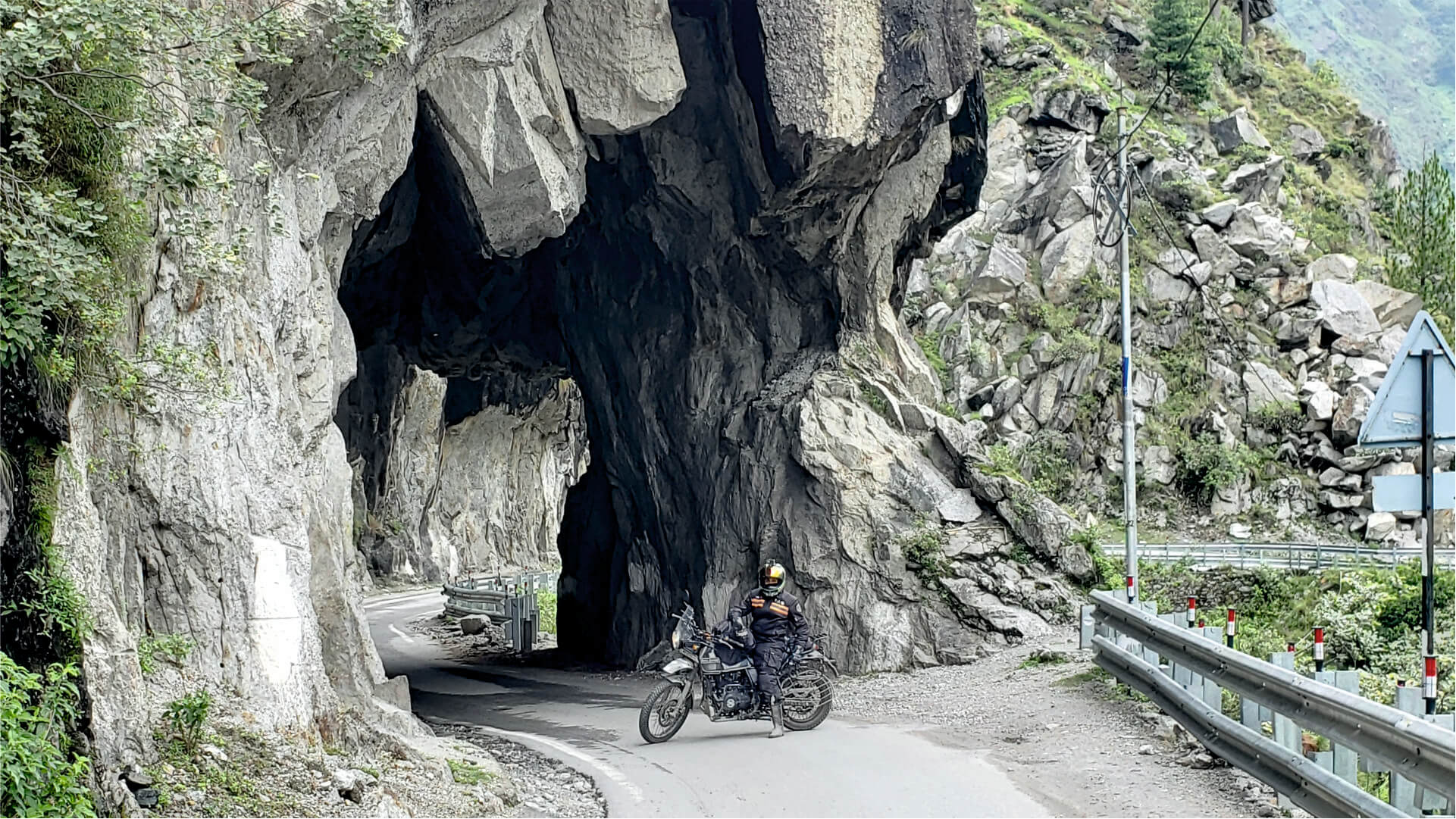
Estas comunidades frágiles han recibido a viajeros durante generaciones. Viaja como un invitado, no como un turista.
- Camina en sentido horario alrededor de los chortens, muros mani y ruedas de oración.
- Pregunta siempre antes de fotografiar a monjes, habitantes locales o interiores.
- Recoge todos los residuos de plástico — deja las montañas tal como las encontraste.
When to Ride: A Season Guide to Every Destination
The right month makes all the difference. Here's the ideal riding window for every Dream Riders destination.
| Destino | Mejor Temporada de Viaje | Qué Esperar |
|---|---|---|
| Ladakh | Jun – Sep |
Passes fully open, clear skies; July–August is peak riding season. |
| Spiti Valley | May – Oct |
Kaza accessible; river crossings run highest in August. |
| Zanskar | Jul – Sep |
A short, raw window into one of the remotest Himalayan valleys. |
| Pangi Valley | Jun – Sep |
Rugged, off-beat trails and gloriously crowd-free mountain passes. |
| Tawang | Mar–May & Oct–Nov |
Best light and driest roads; ideal to avoid heavy monsoon downpours. |
| Meghalaya | Oct – Apr |
Lush post-monsoon greenery, roaring waterfalls, and living root bridges. |
| Rajasthan | Oct – Mar |
Cool desert riding, royal heritage forts; skip the fierce summer heat. |
| South India | Oct – Mar |
Pleasant post-monsoon coastal curves and tea plantations through Kerala & the hills. |
| Bhutan | Mar–May & Sep–Nov |
Clear Himalayan views, pristine dzongs, and vibrant festivals (tsechus). |
| Nepal (Mustang) | Mar – Nov |
Rain-shadow region in Mustang — rideable and breathtaking even through monsoon. |
| Sri Lanka | Nov – Apr |
Beaches, tea plantations, and scenic hill country at their best. |
| Vietnam | Sep–Nov & Mar–May |
The Ha Giang Loop and northern mountain passes at their most spectacular. |
Lista de comprobación esencial antes de salir
Marca todas las casillas antes de salir. En nuestros tours guiados, revisamos minuciosamente la motocicleta por ti, para que todo lo demás quede cubierto.
Moto y mecánica
- Nivel de aceite del motor y filtro
- Pastillas y líquido de frenos
- Cadena limpia, lubricada y ajustada
- Banda de rodadura y presión de los neumáticos
- Revisado durante el tour
Protección y equipamiento para motociclistas
- Casco ECE/DOT + Pinlock
- Chaqueta y pantalón con protecciones CE
- Botas de moto impermeables
- Guantes para todo tipo de clima (abrigo + lluvia)
- Capas base de lana merino
Salud y emergencias
- Medicación personal y primeros auxilios
- Conocimiento del mal de altura (solicita nuestra sesión informativa)
- Hidratación / electrolitos y sales de rehidratación oral (SRO)
- Pulsioxímetro y protector solar
- Contactos de emergencia impresos
Documentos y dinero en efectivo
- Licencia de conducir y RC de la moto
- Seguro válido y certificado PUC
- Permisos de Línea Interior (5 copias)
- Dinero en efectivo para emergencias (billetes pequeños)
- Mapas sin conexión descargados
Preguntas frecuentes
Respuestas claras a las preguntas que más nos hacen los riders antes de reservar.
Haz realidad tus sueños de viajar en moto
Ya has hecho tu parte investigando; ahora déjanos encargarnos del resto. Recorre en moto Ladakh, Spiti, Zanskar, Pangi, Tawang, Meghalaya, Rajasthan, el sur de la India, Bhutan, Nepal, Sri Lanka o Vietnam con Ride Marshals expertos, un mecánico dedicado y asistencia completa de respaldo 4x4. Diecisiete años de experiencia, más de 10.000 motociclistas acompañados y el reconocimiento Travellers’ Choice de TripAdvisor durante tres años consecutivos. Tu única tarea es disfrutar del camino.