



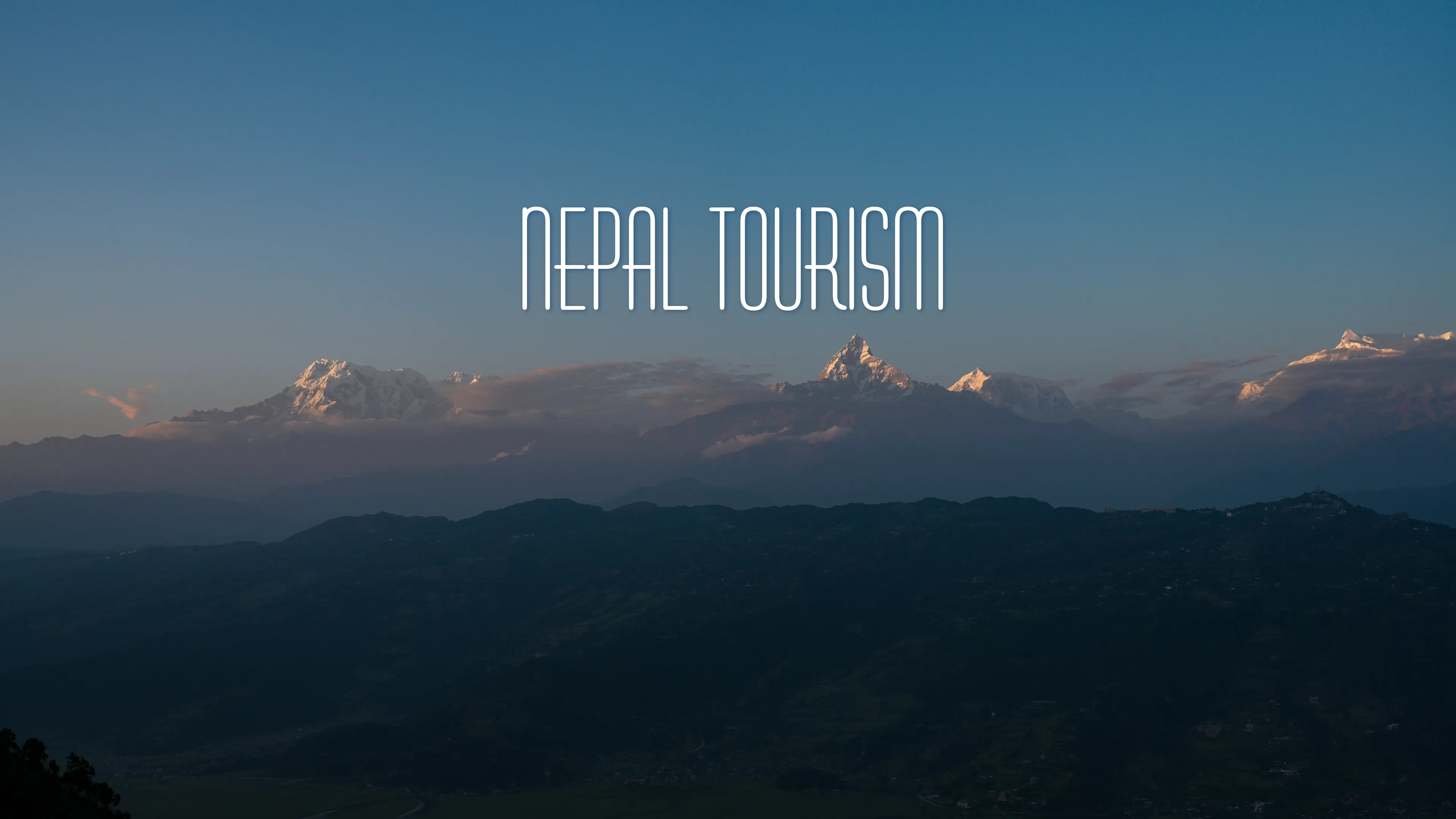
Nepal Tourism
Nepal is a destination where ancient traditions, dramatic mountain landscapes and welcoming communities come together. Located between India and Tibet, this Himalayan country offers far more than views of snow-covered peaks. Its historic towns, traditional villages, sacred temples, mountain roads and diverse cultures create opportunities for travellers to experience the country at their own pace.
For international visitors planning a holiday, Nepal tourism offers a wide range of experiences, from exploring lakeside cities and historic forts to travelling through remote Himalayan valleys. Travellers can discover traditional architecture, Buddhist monasteries, Hindu pilgrimage sites, local cuisine and landscapes that change dramatically with altitude.
For those who prefer exploring beyond conventional sightseeing, a Nepal Motorcycle Tour offers another way to experience the country. Riding through mountain roads and rural settlements allows visitors to appreciate the changing scenery, stop in small communities and understand how geography and tradition influence everyday life.
This Nepal Travel Guide explores some of the country's most interesting destinations, including Pokhara, Gorkha, Kalopani, Tatopani and Lo Manthang, along with practical advice for planning a rewarding journey.
Nepal's UNESCO Heritage, Ancient Architecture and Religious History
Nepal's cultural heritage is one of the most important parts of its tourism experience. The country's historic monuments reflect centuries of artistic development, religious practice, trade and royal patronage. For international visitors, exploring these sites provides a deeper understanding of Nepal beyond its famous Himalayan landscapes.
Kathmandu Valley is particularly well known for its historic urban centres and traditional Newari architecture. Kathmandu Durbar Square, Patan Durbar Square and Bhaktapur Durbar Square contain temples, courtyards, palaces and intricately carved wooden structures that illustrate the craftsmanship of earlier generations.
Religious landmarks also play a significant role in Nepal's identity. Pashupatinath is an important Hindu pilgrimage site, while Boudhanath and Swayambhunath are prominent Buddhist centres. These places remain active religious spaces, where visitors can observe rituals and traditions that continue to shape daily life.
Lumbini, recognised as the birthplace of Siddhartha Gautama, the Buddha, is another important destination for travellers interested in history and spirituality. Its monasteries, archaeological remains and sacred garden attract pilgrims and visitors from around the world.
Nepal's heritage is not limited to the Kathmandu Valley. Gorkha's historic palace complex and the medieval settlement of Lo Manthang in Upper Mustang demonstrate the country's wider historical diversity. The architecture and settlement patterns of these places reflect different regional traditions and historical connections.
When visiting religious and historic sites, travellers should dress respectfully, follow photography rules and avoid disturbing worshippers. Entrance fees and opening arrangements may vary by site, so checking official visitor information before travelling is advisable.
Understanding Nepal Tourism and Its Cultural Diversity
Nepal's geography stretches from the lowland Terai plains to the high Himalayan mountains. This variation has shaped the country's traditions, architecture, food and ways of life.
The country is home to many ethnic communities, including Gurung, Magar, Thakali, Newar, Sherpa and Tamang communities, each with distinctive cultural practices and local traditions. Hinduism and Buddhism have both played important roles in Nepal's religious and cultural history, and their influence can be seen in temples, stupas, monasteries, festivals and everyday rituals.
Kathmandu Valley is particularly important for its historic urban centres, traditional craftsmanship and religious monuments. Further west, the Annapurna region and Mustang offer mountain settlements where local lifestyles have developed in response to difficult terrain, cold weather and centuries of trade across the Himalayas.
Travelling through Nepal is therefore not only about visiting famous attractions. It is also an opportunity to understand the relationship between communities, mountains, religion and traditional livelihoods.
Pokhara: Lakes, Mountain Views and Adventure
Pokhara is one of Nepal's best-known travel destinations and an important starting point for exploring the Annapurna region. The city is famous for Phewa Lake, its surrounding green hills and views of Himalayan peaks, including the Annapurna range and Machhapuchhre, also known as Fishtail Mountain.
Phewa Lake is a popular place for boating and relaxing beside the water. Visitors can explore the lakeside area, enjoy local restaurants or watch the mountains reflect on the lake when the weather is clear.
The World Peace Pagoda, located on a hill overlooking the valley, offers panoramic views of Pokhara and the surrounding mountains. Devi's Fall and Gupteshwor Mahadev Cave are other popular attractions for visitors interested in natural features and local religious traditions.
Pokhara also has a strong connection with Himalayan travel. Its location makes it a convenient base for trekking, outdoor activities and journeys towards Mustang.
For motorcycle travellers, Pokhara can serve as a starting point for a longer journey into western Nepal. Leaving the city behind, the landscape gradually changes from lakeside settlements and green hills to river valleys, terraced fields and rugged mountain terrain.
The city's relaxed atmosphere makes it worth spending time here before continuing towards the more remote regions of the Himalayas.
Gorkha: The Historical Roots of Modern Nepal
Gorkha holds a special place in Nepal's history. It is closely associated with Prithvi Narayan Shah, the ruler who began the unification campaign that led to the formation of modern Nepal in the eighteenth century.
Gorkha Durbar, a historic palace complex situated on a hill, is one of the area's most significant landmarks. The complex includes traditional architecture and religious sites associated with Hindu worship. Its elevated position also provides views of the surrounding hills and valleys.
Visiting Gorkha offers a different perspective on Nepal tourism. While many travellers focus on the country's mountains, Gorkha introduces visitors to the political and cultural history that helped shape the nation.
The area also has connections with the Gurkha military tradition, which became internationally recognised through the service of Nepali soldiers in various military forces.
Travellers interested in history can explore the palace area, learn about the Shah dynasty and observe local religious practices. The journey through the surrounding countryside reveals traditional settlements and agricultural landscapes that contrast with Nepal's busier tourist centres.
For motorcycle enthusiasts, Gorkha can be considered as part of a wider Nepal road journey, although it is geographically separate from the Pokhara–Kalopani–Mustang route. Travellers should plan their route and available riding days accordingly.
Kalopani: Mountain Landscapes Along the Kali Gandaki Valley
Kalopani is a small settlement in the Mustang region, known for its mountain surroundings and position along the Kali Gandaki corridor.
The wider valley forms an important travel route between the Annapurna region and Mustang. As travellers move north, the scenery gradually changes from greener hillsides to more exposed terrain, rocky slopes and high-altitude landscapes.
The Kali Gandaki River has historically played a significant role in connecting communities on either side of the Himalayas. Trade routes through this region helped link settlements in Nepal with areas further north, supporting the movement of goods, people and cultural ideas.
Kalopani provides an opportunity to experience the quieter side of Himalayan travel. Rather than large urban attractions, visitors encounter mountain villages, local accommodation and views of the surrounding peaks.
For riders on a Nepal Motorcycle Tour, the approach towards Kalopani can be one of the memorable parts of travelling through western Nepal. Road conditions vary, and sections may include uneven surfaces, gravel, dust or weather-related challenges. Riders should adjust their speed and allow extra time rather than treating the journey as a race between destinations.
The region's beauty is closely connected to its natural environment. Travellers should avoid littering, respect local land and customs, and support locally operated accommodation and services wherever possible.
Tatopani: Natural Hot Springs and Local Life
The name Tatopani means “hot water” in Nepali and is used for several places in Nepal. On the route towards Mustang, the Tatopani settlement in the Kali Gandaki valley is particularly associated with natural hot springs.
After a long day of travel, the hot springs can offer a relaxing break. Their mineral-rich water is heated naturally by geothermal processes, although the temperature and facilities vary by location.
Tatopani is also a useful example of how traditional travel routes support local communities. Small lodges, restaurants, shops and other services provide visitors with opportunities to experience local hospitality while contributing to the regional economy.
The surrounding landscape includes riverbanks, steep hillsides and mountain settlements. The contrast between the warmer lower valley and the colder terrain further north makes this part of the journey especially interesting.
Motorcycle travellers should remember that road and river conditions can change significantly during the monsoon. Landslides, flooding and damaged road sections may affect travel times. Checking local conditions before departure is essential.
Visitors should also follow the rules of public hot-spring facilities, respect other users and avoid assuming that the water is medically beneficial. Natural hot springs are best approached as a cultural and recreational experience rather than a substitute for medical treatment.
Lo Manthang: Discover the Heritage of Upper Mustang
Lo Manthang is one of the most distinctive destinations in Nepal. Located in Upper Mustang, near the Tibetan Plateau, this historic walled settlement is known for its traditional architecture, Buddhist monasteries and distinctive high-altitude landscape.
Mustang was historically connected with Tibet through trade and cultural exchange. Its location helped preserve many Tibetan-influenced traditions, particularly in architecture, religious practices and community life.
Lo Manthang served as the capital of the former Kingdom of Lo. The region retained a distinct political and cultural identity for centuries, and its history remains visible in its settlement layout, religious monuments and traditional buildings.
The town's old walls and closely arranged houses create a sense of continuity with its past. Visitors can explore its narrow lanes, observe traditional building styles and learn about the role of Buddhism in local life.
The monasteries of Lo Manthang are particularly important. Historic religious sites contain artwork, murals, statues and objects connected with the area's Buddhist heritage. Visitors should follow local instructions regarding photography, footwear and behaviour inside religious buildings.
Nearby areas of Upper Mustang also contain ancient cave systems carved into cliffs. These caves reflect the region's long history of human settlement, although their exact origins and original uses vary and should not be assumed without reliable historical evidence.
For travellers interested in Nepal tourism beyond the better-known cities, Lo Manthang offers an opportunity to experience a remote region where landscape, history and culture remain closely connected.
Exploring Upper Mustang Responsibly
Upper Mustang is a restricted area, and international visitors must arrange the applicable permits before entering. Nepal's official immigration information lists a special permit fee of USD 50 per person per day for the relevant Upper Mustang restricted area. Additional conservation-area requirements may apply, and entry conditions should be confirmed before booking because regulations can change.
A licensed guide and a registered agency may be required under the applicable rules. Travellers should confirm the latest requirements with Nepal's Department of Immigration or an authorised operator rather than relying on old travel blogs.
The region's high altitude also deserves careful planning. Visitors should allow time for acclimatisation, stay hydrated and pay attention to symptoms of altitude illness.
Upper Mustang: Landscapes, Monasteries and Living Traditions
Upper Mustang is known for its unusual combination of high desert scenery and Tibetan-influenced cultural heritage. Unlike many parts of Nepal, which receive substantial monsoon rainfall, this region lies in the Himalayan rain shadow.
As a result, the landscape features dry valleys, eroded cliffs, rocky hills and settlements built using locally available materials. The colours of the earth, the open mountain views and the relative isolation create a striking contrast with Nepal's greener foothills.
The region's traditional lifestyle has developed around limited water resources, high-altitude agriculture, animal husbandry, trade and religious institutions. Local festivals and monasteries continue to play an important role in community life.
One of the best-known cultural events is the Tiji Festival in Lo Manthang. Its religious performances, masked dances and ceremonial traditions draw on Tibetan Buddhist beliefs. The festival generally takes place in spring, but the dates follow the local calendar and should be checked before planning a visit.
Upper Mustang is also a destination where responsible tourism matters. Traditional buildings, historic murals and fragile landscapes require care. Visitors should seek permission before photographing people, avoid entering restricted religious spaces and respect local expectations.
For adventure travellers, the combination of challenging terrain, historic settlements and unusual scenery makes Upper Mustang an appealing region to explore slowly rather than rush through.
Traditional Nepalese Food: A Journey Through Local Flavours
Food is an essential part of the Nepal travel experience. The country's varied geography and cultural communities have created a diverse culinary tradition, with dishes that differ between the Himalayan mountains, middle hills and southern plains.
Dal bhat, generally served with rice, lentil soup, vegetables and accompaniments, is a familiar everyday meal across much of Nepal. It provides a practical introduction to local food and is commonly available in restaurants, guesthouses and family-run establishments.
Momos are another popular choice. These dumplings are often filled with vegetables or meat and served with a spiced dipping sauce. Their preparation and accompanying sauces can vary between communities and restaurants.
In the Mustang region, travellers may encounter Thakali cuisine, known for balanced meals featuring rice or other grains, lentils, vegetables, pickles and regional accompaniments. Traditional food can be particularly memorable when enjoyed in a locally operated guesthouse after a day on the mountain roads.
Other foods worth discovering include sel roti, a ring-shaped rice-flour bread traditionally associated with festivals, and dhido, a thick preparation made from flour such as buckwheat or millet.
Food preferences and availability change with location and season. Travellers with allergies or dietary restrictions should explain their needs clearly, especially in remote mountain settlements where options may be limited.
Exploring Nepalese cuisine is also a way to support local communities. Eating at small restaurants, purchasing regional products and learning about traditional cooking can add cultural depth to a journey while contributing to the local economy.
Nepal's Festivals: Understanding Local Culture and Traditions
Festivals offer visitors an opportunity to understand Nepal's cultural diversity. Many celebrations are connected with religious beliefs, seasonal changes, family traditions and community identity.
Dashain is one of Nepal's major Hindu festivals and is associated with family gatherings, blessings and the triumph of good over evil. Tihar, often called the festival of lights, includes traditions honouring animals, celebrating family relationships and lighting homes with lamps.
Holi is widely recognised for its colourful celebrations, although the way it is observed varies between communities. Buddha Jayanti commemorates events associated with the life of the Buddha and is marked at important Buddhist sites, including Lumbini.
Regional festivals also provide insight into the traditions of specific communities. In the Kathmandu Valley, traditional jatras may feature chariot processions, music and ceremonial performances. In Himalayan communities, festivals associated with Tibetan Buddhist traditions can include masked dances, religious ceremonies and gatherings.
Festival dates may change from year to year because many follow lunar or traditional calendars. Travellers planning a visit around a particular celebration should confirm the dates in advance and check whether accommodation or transport needs to be booked early.
Visitors should approach festivals respectfully. Ask before photographing people, follow local instructions and remember that many events are primarily religious or community occasions rather than performances organised for tourists.
Experiencing a festival can make a Nepal holiday more meaningful by connecting the journey with the living traditions of the people who call the country home.
Why Choose a Nepal Motorcycle Tour?
A motorcycle journey provides a different way to experience Nepal. Instead of travelling directly between major attractions, riders can observe the gradual changes in climate, vegetation, architecture and daily life along the route.
A Nepal Motorcycle Tour may include winding mountain roads, river valleys, traditional villages and panoramic viewpoints. Depending on the chosen route, riders may travel through the Pokhara region and towards the Kali Gandaki valley, Kalopani, Tatopani and Mustang.
Motorcycle travel also offers flexibility for stopping at local cafés, viewpoints and village markets. These smaller encounters can become as memorable as the major attractions themselves.
However, riding in Nepal requires preparation. Mountain roads may be narrow, unpaved or affected by landslides. Weather can change quickly, and travel times may be longer than expected. Riders should be comfortable with the motorcycle they use and understand that local traffic, road conditions and altitude can make some sections demanding.
Before departure, check your driving licence and international driving permit requirements, insurance coverage, motorcycle documentation and any route-specific permits. If travelling in a guided group, confirm the support arrangements, accommodation, fuel policy, luggage transport and emergency procedures.
For international visitors unfamiliar with the region, an organised tour can help coordinate logistics and provide local route knowledge, while allowing riders to focus on the experience.
Best Time to Visit Nepal
The best time to visit Nepal is generally March to June and October to December, depending on the destinations you plan to explore and the type of travel experience you prefer.
Spring to Early Summer (March to June): This period offers pleasant conditions in many parts of Nepal, particularly during spring. March to May is popular for exploring cultural attractions, green valleys and Himalayan landscapes. June marks the beginning of the monsoon in many regions, so rainfall, slippery roads and occasional landslides may affect travel plans. For a Nepal Motorcycle Tour, check route conditions and weather forecasts before departure.
Autumn to Early Winter (October to December): October and November are among the most favourable months for Nepal travel, with post-monsoon skies and excellent opportunities to enjoy mountain views. December brings colder temperatures, especially at higher elevations, but lower-altitude destinations and cultural sites can still be rewarding to explore. Motorcycle travellers should prepare for cold mornings and check for snow or seasonal road closures on high mountain routes.
For a Nepal Motorcycle Tour, March to May and October to November are generally strong choices for many routes. Conditions vary by altitude and destination, so confirm local weather, road accessibility and permit requirements before travelling.
Practical Travel Tips for International Visitors
Good preparation can make a Nepal trip more comfortable and reduce avoidable problems.
-
Travel documents: Check Nepal's visa requirements, passport validity and entry conditions for your nationality before departure.
-
Restricted areas: Confirm all required permits for Upper Mustang and any other restricted destinations before travelling.
-
Health and altitude: Plan gradual ascents where possible, allow time to acclimatise and seek medical advice if you have concerns about high-altitude travel.
-
Clothing: Pack layers, rain protection, sun protection and suitable footwear. Mountain temperatures can change considerably between day and night.
-
Money and connectivity: Carry sufficient local currency for remote areas, where card payments and mobile connectivity may be limited.
-
Local customs: Dress respectfully at religious sites, remove footwear when required and ask permission before taking photographs of people or ceremonies.
-
Road safety: If riding, wear a properly fitted helmet and protective gear, maintain a safe speed and avoid riding in poor visibility or dangerous weather.
-
Responsible tourism: Reduce plastic waste, respect wildlife and cultural heritage, and support local businesses when practical.
Travellers should also allow flexibility in their schedules. In mountain regions, weather, road damage and transport delays can make a rigid itinerary difficult to follow.
Plan Your Nepal Travel Guide Experience with Dream Riders
Nepal offers a remarkable combination of natural beauty, historic destinations and cultural diversity. From the lakeside atmosphere of Pokhara to the historical significance of Gorkha, the mountain landscapes around Kalopani and Tatopani, and the distinctive heritage of Lo Manthang, each region offers a different perspective on the country.
For travellers who want to experience the Himalayas from the road, a Nepal Motorcycle Tour can bring these landscapes closer. Mountain routes, rural settlements and opportunities to meet local communities create an experience that goes beyond conventional sightseeing.
Planning the right journey requires attention to the season, road conditions, travel documents, accommodation and the experience level of the riders. Choosing a route that matches your available time and riding ability is just as important as deciding which destinations to visit.
Dream Riders offers guided motorcycle touring experiences for travellers interested in exploring destinations on two wheels. If Nepal is on your travel list, explore the available options, discuss your preferred travel dates and choose an experience that fits your interests.
Plan your Nepal adventure with Dream Riders and discover the Himalayas through culture, history and the freedom of motorcycle travel.
Explore the Nepal Tour Package by Dream Riders to learn more and enquire about your next journey.
Frequently Asked
Questions
01 What are the best places to visit in Nepal?
Popular destinations include Kathmandu, Pokhara, Gorkha, the Annapurna region, Chitwan National Park, Lumbini and Upper Mustang. The best choice depends on whether you prefer cultural heritage, wildlife, mountain scenery or adventure travel.
02 Do international visitors need a permit for Upper Mustang?
Yes. Upper Mustang is a restricted area requiring a special permit. Additional conservation-area requirements may apply. Confirm the current fees, guide requirements and entry rules with Nepal's official authorities before travelling.
03 What can travellers experience in Pokhara?
Pokhara offers lakeside activities, Himalayan views, cultural attractions and access to the Annapurna region. It is also a convenient base for travellers planning journeys towards Mustang.
04 What are Kalopani and Tatopani known for?
Kalopani is known for its mountain setting along the Kali Gandaki corridor. Tatopani is associated with natural hot springs and provides a stopping point for travellers exploring the region towards Mustang.
05 How should I prepare for a Nepal motorcycle tour?
Research your route, check licence and permit requirements, arrange suitable travel insurance, carry protective riding gear and prepare for changing weather and road conditions. A guided tour can help coordinate local logistics and route support.
Popular Post
-
Sri Lanka tour packages
Sri Lanka is a destination that offers an incredible mix of tropical beaches, lush mountains, ancient heritage sites, vibrant cult ....Read More -
Adventure Activities in Bhutan
Bhutan is often known for its peaceful monasteries, breathtaking Himalayan landscapes, and rich Buddhist culture. However, beyond ....Read More -
Heritage Motorcycle Tour India
India is a land where every road tells a story. Ancient forts stand proudly on hilltops, colorful bazaars echo centuries-old tradi ....Read More -
Ooty
Tucked away in the heart of the Nilgiri Hills, Ooty is one of South India's most enchanting hill stations. Officially known as ....Read More -
Best Places to Visit in Nepal
Nepal is a country where ancient traditions, spiritual landmarks, majestic mountains, and thrilling adventures come together to cr ....Read More -
Tawang Tourism
Located at an altitude of over 10,000 feet in the Eastern Himalayas, Tawang is one of India's most spectacular mountain destin ....Read More