



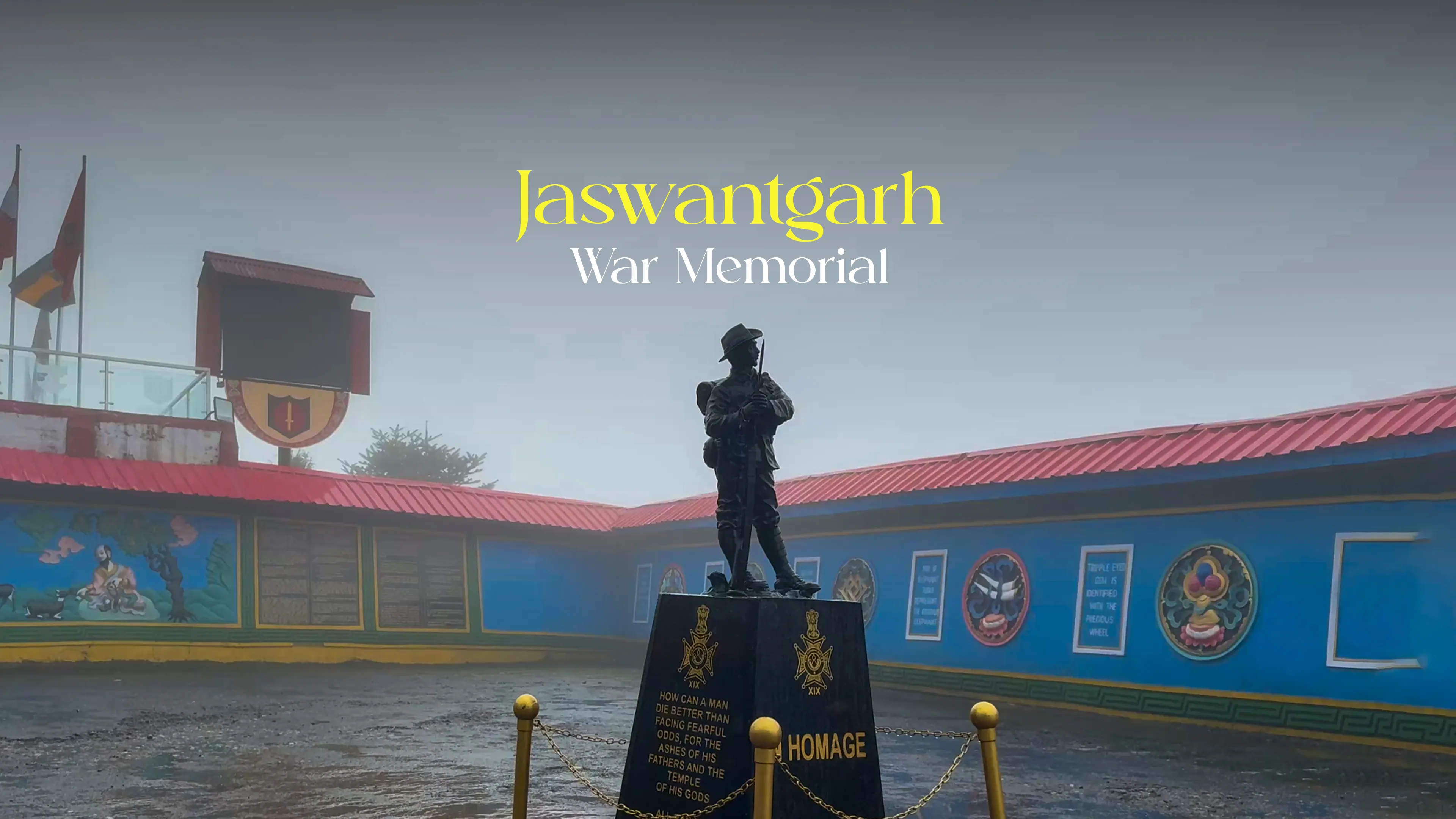
Jaswantgarh War Memorial
Nestled amid the dramatic Himalayan mountains of Arunachal Pradesh, Jaswantgarh War Memorial is more than a historical attraction on the road to Tawang. It is a place of remembrance dedicated to the courage and sacrifice of Indian soldiers who defended the country's eastern frontier during the 1962 Sino-Indian War. Surrounded by rugged mountain slopes and scenic high-altitude roads, the memorial offers visitors an opportunity to connect with an important chapter of Indian military history.
For travellers exploring Tawang Tourism, a visit to Jaswantgarh adds meaning to the journey beyond its beautiful landscapes, monasteries, and mountain passes. Whether you are planning a Tawang Tour Package, a road trip through Arunachal Pradesh, or an adventurous Tawang bike trip, this memorial deserves a place in your itinerary. For motorcycle enthusiasts, it is also a significant stop during a Tawang Motorcycle Tour, combining Himalayan exploration with a deeper appreciation of the region's history.
Where Is Jaswantgarh War Memorial Located?
Jaswantgarh War Memorial is situated near Nuranang, along the main road connecting Sela Pass with Tawang in the Tawang district of Arunachal Pradesh. It stands at an altitude of approximately 10,000 feet (3,048 metres) above sea level and is around 25 kilometres from Tawang town, making it an important stop for travellers approaching or leaving Tawang.
The memorial's location is significant because this mountain region witnessed intense military action during the 1962 war. The surrounding landscape features steep Himalayan slopes, narrow mountain roads, forested hills, and changing weather conditions. Its setting offers a powerful reminder of the challenges faced by soldiers serving in remote border areas.
For visitors, reaching the memorial is also an opportunity to experience the distinctive geography of the Eastern Himalayas. The road passes through high-altitude terrain, with beautiful views of mountain ridges and valleys along the way.
The History of Jaswantgarh War Memorial
The history of Jaswantgarh is closely connected with the 1962 Sino-Indian War, particularly the Battle of Nuranang. During the conflict, Indian soldiers defended strategically important positions in the eastern Himalayan region against advancing Chinese forces.
One of the soldiers remembered for his bravery during this battle was Rifleman Jaswant Singh Rawat of the 4th Battalion, Garhwal Rifles. He became a symbol of courage and dedication because of his actions during the fighting near Nuranang.
On 17 November 1962, Indian soldiers faced repeated attacks in difficult mountain conditions. Accounts of the battle describe how Rifleman Jaswant Singh Rawat, along with Lance Naik Trilok Singh Negi and Rifleman Gopal Singh Gusain, took part in a dangerous operation against an enemy machine-gun position. Their actions demonstrated exceptional courage under fire. Jaswant Singh Rawat was killed during the battle, while the other soldiers also displayed remarkable bravery.
For his courage and sacrifice, Rifleman Jaswant Singh Rawat was posthumously awarded the Maha Vir Chakra, India's second-highest wartime gallantry award. The memorial was established to honour his contribution and preserve the memory of the soldiers who fought in the region.
The Story Behind the 72-Hour Legend
Jaswantgarh is also associated with a widely shared account that Rifleman Jaswant Singh Rawat continued defending his position for approximately 72 hours, creating the impression that a much larger Indian force was holding the area.
Over time, this story became an important part of local memory and popular accounts of the battle. However, different versions of the events exist. Historical accounts also describe the involvement of other soldiers, including Trilok Singh Negi and Gopal Singh Gusain, in the fighting. It is therefore important to understand the 72-hour story as part of the memorial's popular legacy rather than treat every detail of the legend as an established historical fact.
Regardless of the different accounts, the central message remains the same: the soldiers who fought at Nuranang displayed extraordinary courage while defending India's Himalayan frontier.
What Can You See at Jaswantgarh War Memorial?
A visit to Jaswantgarh offers more than a brief sightseeing stop. The memorial preserves the memory of a soldier whose story continues to inspire visitors and members of the armed forces.
Here are some of the important things visitors can explore:
1. Memorial Dedicated to Rifleman Jaswant Singh Rawat
The memorial's main purpose is to honour Rifleman Jaswant Singh Rawat and remember his contribution during the 1962 war. Visitors can pay their respects, learn about his military service, and understand why his name holds such significance in this region.
The memorial is maintained by the Indian Army, reflecting the continuing respect shown to the soldier and his legacy.
2. Portrait and Personal Belongings
Visitors may see displays associated with Jaswant Singh Rawat, including his portrait and personal belongings such as his uniform, cap, belt, and watch. These objects help visitors connect with the human story behind the memorial and reflect on the life of a soldier who served in a challenging frontier region.
3. Military History and Exhibits
The memorial and its surrounding displays provide an opportunity to learn about the soldiers, military service, and historical events associated with the region. Take time to read the information available at the site instead of treating the memorial simply as a photography stop.
4. Himalayan Mountain Views
The memorial is surrounded by the rugged scenery of the Eastern Himalayas. Mountain slopes, forests, winding roads, and open valley views create a striking backdrop.
The contrast between the peaceful natural surroundings and the difficult history of the battlefield makes the visit especially meaningful.
Cultural and Historical Importance of the Memorial
Jaswantgarh War Memorial holds an important place in the historical identity of Tawang. It represents the courage of Indian soldiers and the connection between the region's people, landscape, and national history.
Tawang is also known for its strong Monpa cultural heritage. The Monpa community has a long association with Tibetan Buddhist traditions, monasteries, local festivals, traditional crafts, and mountain lifestyles. The region's cultural identity is visible in its monasteries, prayer flags, traditional homes, local food, and religious practices.
The memorial offers a different but equally important dimension of the region's heritage. While monasteries reflect centuries of spiritual and cultural traditions, Jaswantgarh reminds visitors of the sacrifices made to protect the country's borders.
Together, these places help travellers understand that Tawang is not only a destination of scenic beauty but also a region with a deep cultural and historical identity.
Visitors should approach the memorial respectfully. Follow the instructions of Army personnel, avoid disturbing displays, and maintain the dignity of the site.
Other Places to Visit Near Jaswantgarh War Memorial
A visit to Jaswantgarh can be combined with several other attractions along the Tawang route.
-
Sela Pass
Located at approximately 13,700 feet, Sela Pass is one of the most famous high-altitude mountain passes in the region. Surrounded by snow-covered peaks and glacial lakes, it connects the Dirang side of the route with Tawang.
-
Nuranang Falls
Also known as Jang Falls, Nuranang Falls is a beautiful waterfall near Jang town. The water cascades down a forested mountain landscape, creating one of the region's most impressive natural attractions. The Tawang district administration lists its height at around 100 metres.
-
Tawang War Memorial
Located in Tawang town, Tawang War Memorial is dedicated to Indian soldiers who lost their lives during the 1962 Sino-Indian War. Its stupa-inspired architecture reflects Buddhist influences and provides another opportunity to understand the region's military history.
-
Tawang Monastery
Tawang Monastery is one of the most important Buddhist monasteries in India. Founded by Merak Lama Lodre Gyatso in 1680–81, it overlooks the Tawang Chu Valley and is a significant centre of Monpa Buddhist culture and spiritual life.
-
Bum La Pass
Situated near the Indo-China border, Bum La Pass is a high-altitude destination known for its dramatic mountain scenery and strategic importance. The district administration lists its elevation at approximately 15,200 feet. Visitors require official permission, and access is subject to prevailing conditions and regulations.
Important Travel Tips Before Visiting Jaswantgarh
Keep these practical points in mind when planning your visit:
-
Carry valid identification: Keep the required travel documents with you throughout the journey.
-
Check permit requirements: Indian domestic travellers generally need an Inner Line Permit (ILP) to enter Arunachal Pradesh. Foreign nationals should check the applicable Protected Area Permit (PAP) requirements and current government rules before travelling.
-
Check road conditions: Snowfall, rainfall, landslides, and fog can affect access to high-altitude roads.
-
Wear warm clothing: Temperatures can drop considerably, particularly around Sela Pass and during winter.
-
Allow enough travel time: Avoid planning a rushed visit, as mountain journeys can take longer than expected.
-
Respect the memorial: Follow Army instructions, maintain decorum, and do not disturb military displays or restricted areas.
-
Prepare your motorcycle: For a bike trip, check tyres, brakes, lights, chain condition, and other essential components before entering mountain terrain.
Experience the History and Beauty of Tawang with Dream Riders
Jaswantgarh War Memorial is a place where history, courage, and the spirit of the Indian Army remain deeply connected with the Himalayan landscape. A visit here offers more than a sightseeing experience; it gives travellers a chance to remember the soldiers who made extraordinary sacrifices while serving the nation.
If you are planning to explore Arunachal Pradesh, make Jaswantgarh part of your journey through the Eastern Himalayas. Discover its history, experience the cultural charm of Tawang, and enjoy the spectacular mountain roads on a memorable motorcycle adventure.
Join Dream Riders for a Tawang Motorcycle Tour from Guwahati and experience the Eastern Himalayas beyond the ordinary.
Frequently Asked
Questions
01 Where is Jaswantgarh War Memorial located?
Jaswantgarh War Memorial is located near Nuranang on the main road between Sela Pass and Tawang in Arunachal Pradesh. It is approximately 25 kilometres from Tawang town.
02 Who is Jaswantgarh War Memorial dedicated to?
The memorial is dedicated to Rifleman Jaswant Singh Rawat of the 4th Battalion, Garhwal Rifles, who displayed exceptional courage during the 1962 Sino-Indian War.
03 What is the historical importance of Jaswantgarh?
Jaswantgarh commemorates the bravery of Indian soldiers during the Battle of Nuranang in November 1962. It honours Jaswant Singh Rawat, who was posthumously awarded the Maha Vir Chakra.
04 What are the nearby attractions to Jaswantgarh War Memorial?
Popular attractions include Sela Pass, Nuranang Falls, Tawang War Memorial, Tawang Monastery, and Bum La Pass. Access to certain high-altitude locations may require additional permits.
05 What is the best time to visit Jaswantgarh War Memorial?
October to May are generally favourable periods for exploring the Tawang region. Always check current weather and road conditions before travelling.
Popular Post
-
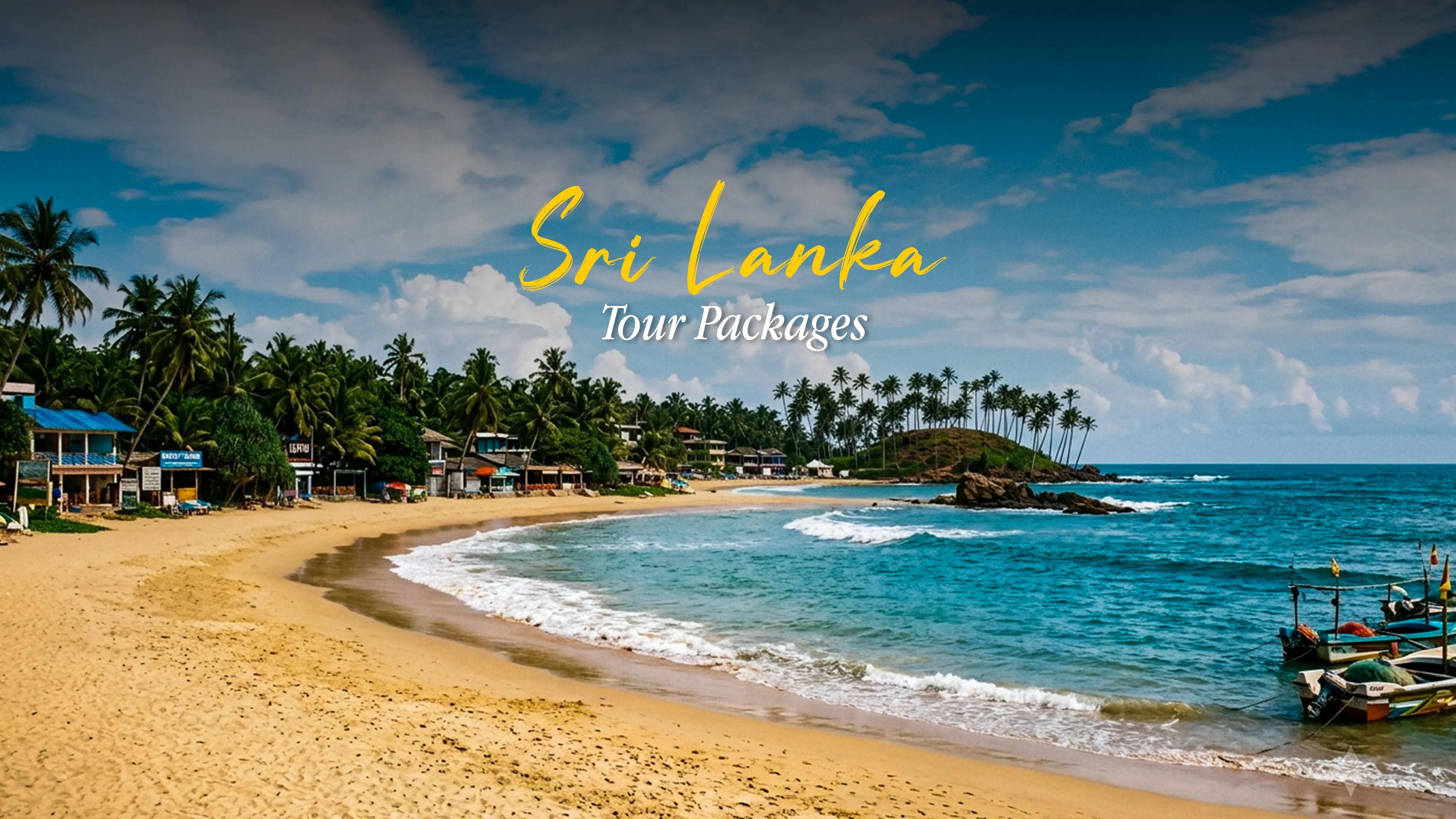
Sri Lanka tour packages
Sri Lanka is a destination that offers an incredible mix of tropical beaches, lush mountains, ancient heritage sites, vibrant cult ....Read More -
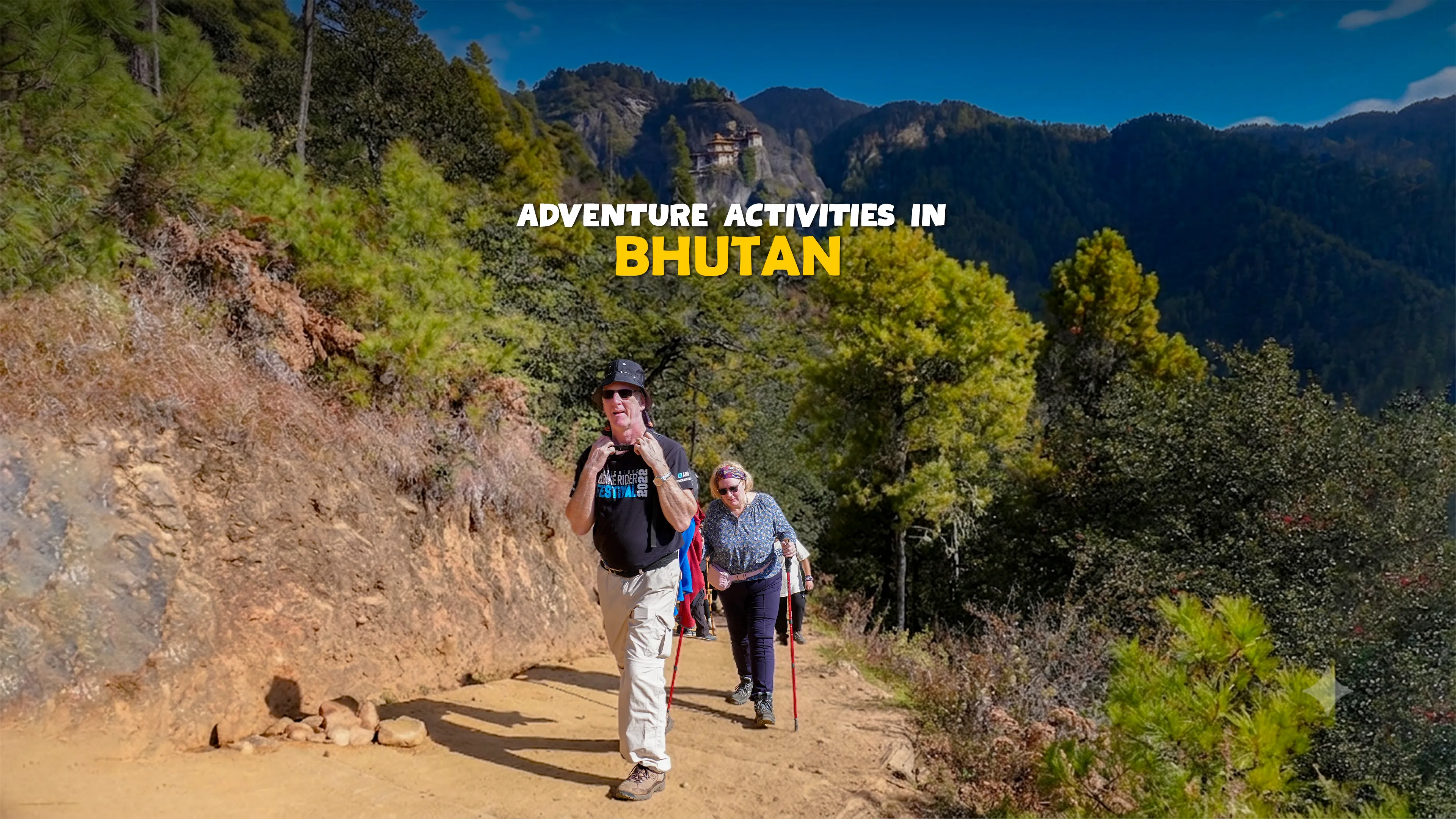
Adventure Activities in Bhutan
Bhutan is often known for its peaceful monasteries, breathtaking Himalayan landscapes, and rich Buddhist culture. However, beyond ....Read More -

Heritage Motorcycle Tour India
India is a land where every road tells a story. Ancient forts stand proudly on hilltops, colorful bazaars echo centuries-old tradi ....Read More -
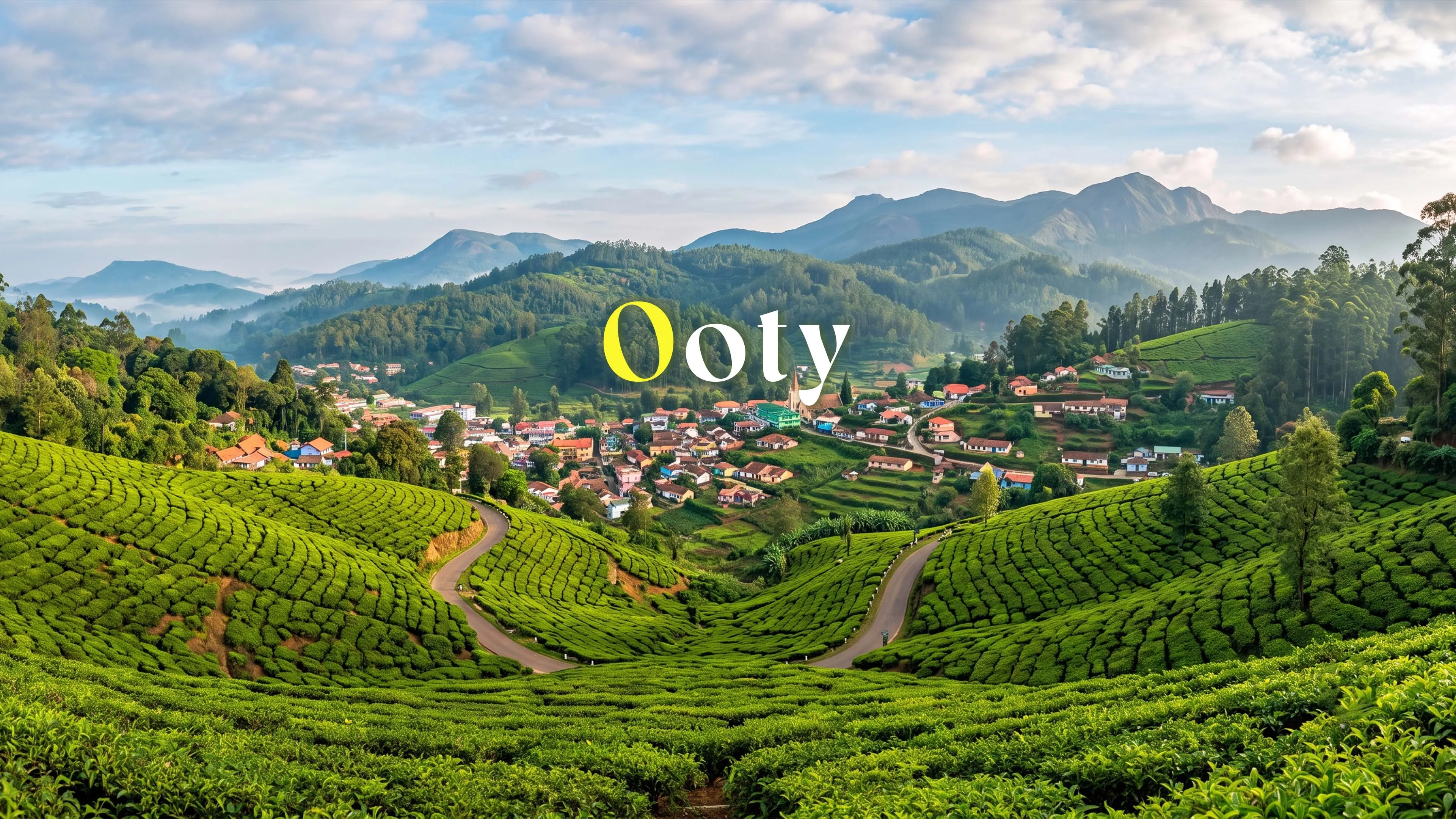
Ooty
Tucked away in the heart of the Nilgiri Hills, Ooty is one of South India's most enchanting hill stations. Officially known as ....Read More -

Best Places to Visit in Nepal
Nepal is a country where ancient traditions, spiritual landmarks, majestic mountains, and thrilling adventures come together to cr ....Read More -
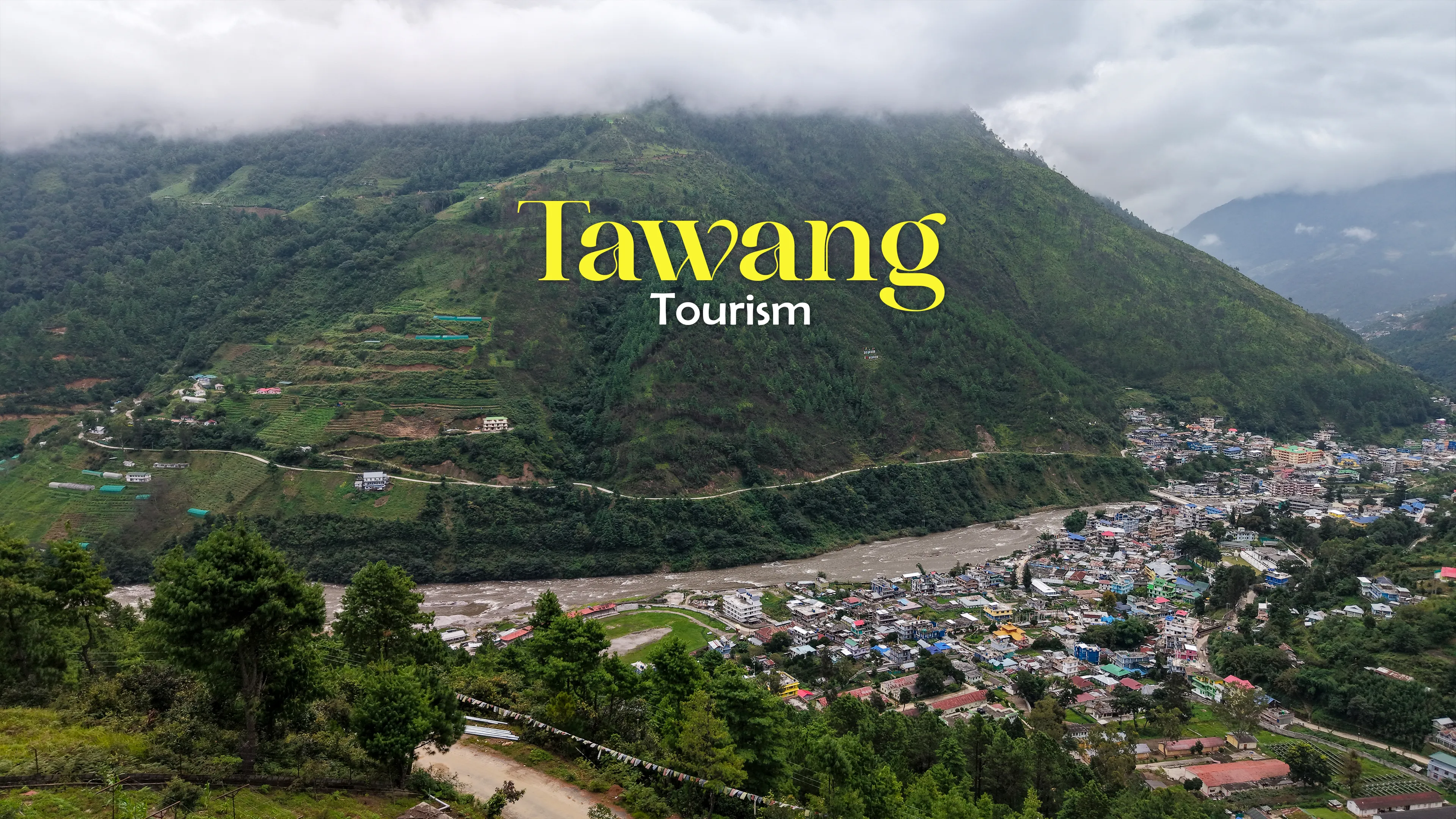
Tawang Tourism
Located at an altitude of over 10,000 feet in the Eastern Himalayas, Tawang is one of India's most spectacular mountain destin ....Read More