



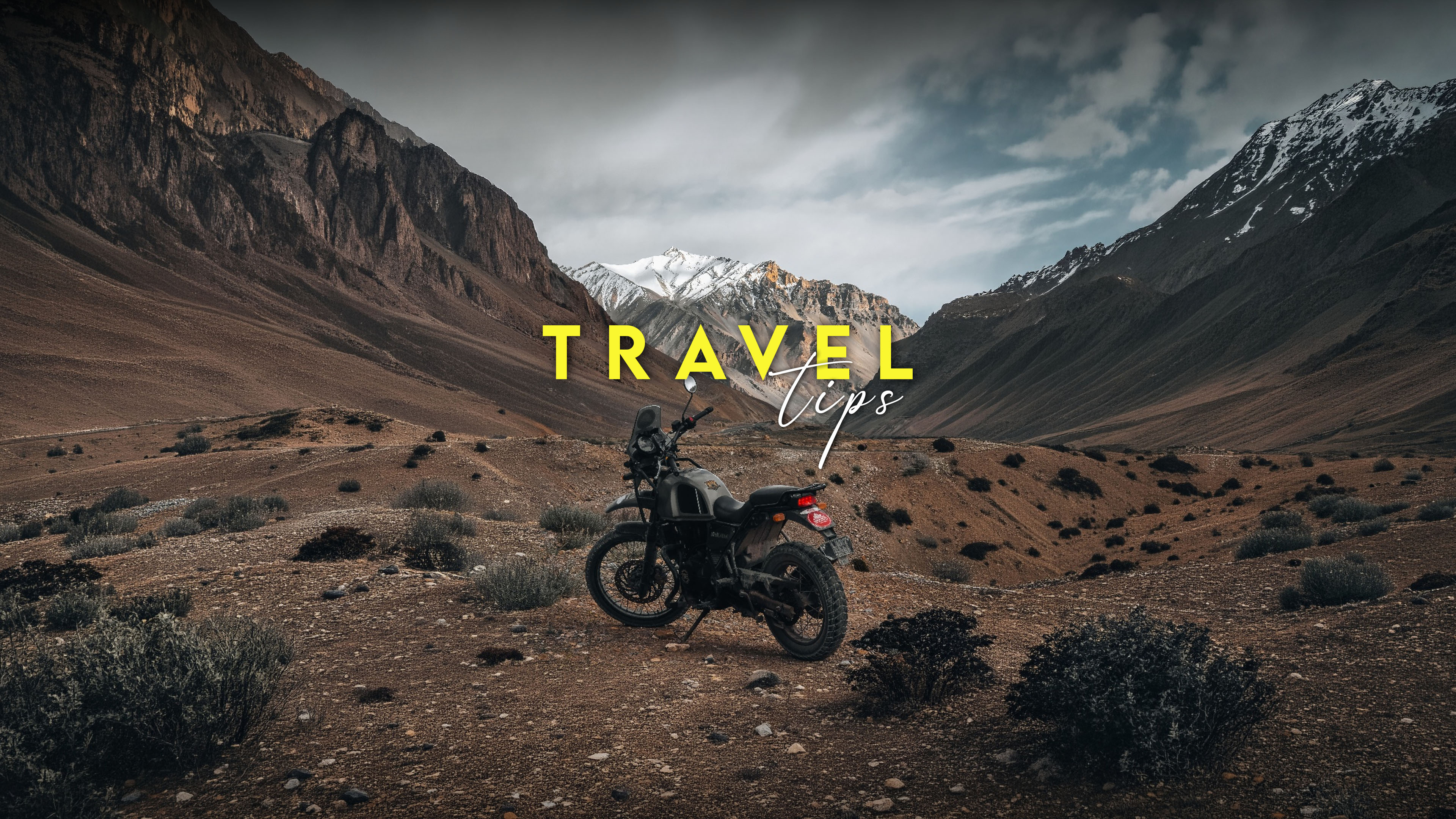
Riding 300+ km daily over rough terrain demands strong core muscles, lower back stability, and neck flexibility.
Key Riding Guidance & Highlights
Riding 300+ km in a day over rough terrain requires more than confidence and experience on a motorcycle. Long hours in the saddle can place continuous pressure on your core, lower back, shoulders, wrists, forearms, and neck. This becomes even more demanding when a bike trip includes mountain roads, gravel sections, high-altitude passes, and changing weather conditions. Preparing your body several weeks before departure can help you handle long riding days more comfortably and stay focused on the road. Whether you are planning a bike tour, motorcycle tour, or extended bike travel adventure, physical conditioning should be part of your preparation.
Planks & core exercises 4 weeks prior to trip
Start your core training around four weeks before your planned bike trip. Planks, side planks, bird-dog exercises, and other basic core movements can help strengthen the muscles that support your lower back and abdomen. A strong core provides better stability while motorcycle riding, especially when travelling over uneven roads where your body constantly responds to bumps, turns, and changes in the surface.
You do not need a complicated gym routine to prepare for long-distance bike touring. Begin with manageable sessions and gradually increase the duration and repetitions. Focus on controlled movements rather than pushing yourself to exhaustion. Stronger core muscles can make it easier to maintain a comfortable riding posture for several hours and may reduce unnecessary strain on your lower back.
Forearm & wrist stretches during fuel stops
Your wrists and forearms work continuously during a long day of bike riding. Controlling the throttle, operating the clutch, braking, and maintaining a firm grip can cause stiffness and fatigue, particularly on technical roads. Instead of waiting until discomfort becomes noticeable, use fuel stops and regular breaks to give your hands and arms some movement.
Simple wrist rotations, gentle forearm stretches, finger extensions, and opening and closing your hands can help release built-up tension. You can also rotate your shoulders and gently move your neck during breaks. Avoid sudden or forceful movements; the purpose is simply to relax the muscles after extended riding.
Cardio training for stamina at high altitudes
Cardiovascular training is another important part of preparing for demanding motorcycle touring routes. Riding for several hours requires sustained energy, particularly when travelling through mountainous areas. Activities such as brisk walking, cycling, jogging, swimming, or regular aerobic exercise can help improve your overall stamina before the journey.
Start gradually and build your endurance over several weeks rather than attempting intense workouts immediately before your departure. Good cardiovascular fitness can make long riding days feel more manageable and help you recover better between riding sessions.
Proper physical preparation can make your bike tour more enjoyable and safer. Build your core strength, keep your wrists and forearms flexible, and improve your cardiovascular endurance before setting out. With consistent preparation and sensible riding habits, you can approach a challenging motorcycle tour with greater comfort, control, and confidence.