


Thimphu
Nestled high in the Himalayas, Thimphu is a capital city that feels refreshingly different from anywhere else in the world. Surrounded by pine-covered mountains, peaceful monasteries, and fluttering prayer flags, it offers a rare balance of tradition and modern life. While it is Bhutan's largest city, Thimphu has never lost its charm. Instead of skyscrapers and hectic traffic, you'll find beautifully painted buildings, quiet streets, and a way of life deeply rooted in Bhutanese culture.
Whether you're visiting Bhutan for the first time, planning a Thimphu tour, or riding through the Himalayas on a motorcycle adventure, the capital is the perfect place to begin your journey. From ancient temples and lively markets to breathtaking viewpoints and delicious local cuisine, Thimphu offers an authentic glimpse into the soul of Bhutan.
In this guide, you'll discover how to reach Thimphu, the best places to visit in Thimphu, travel distances from nearby destinations, local food to try, shopping tips, and fascinating facts that make this Himalayan capital truly unforgettable.
Discover Thimphu: Bhutan's Charming Capital
Located in western Bhutan at an altitude of around 2,334 meters (7,657 feet), Thimphu sits gracefully along the Wang Chhu River, surrounded by lush green mountains. It serves as Bhutan's political, cultural, and economic center while remaining one of the most peaceful capital cities in the world.
What immediately stands out is the city's commitment to preserving its heritage. Strict architectural regulations ensure that every building reflects traditional Bhutanese design, creating a cityscape that feels timeless rather than modernized. Instead of towering glass buildings, you'll find colorful wooden windows, intricate carvings, and beautifully crafted facades that celebrate Bhutan's rich cultural identity.
How to Reach Thimphu
Getting to Thimphu is part of the adventure. The scenic mountain roads offer spectacular landscapes, winding through forests, valleys, and picturesque villages.
Phuentsholing to Thimphu Distance
If you're entering Bhutan by road from India, you'll travel from the border town of Phuentsholing.
-
Phuentsholing to Thimphu distance: Approximately 150 km
-
Travel Time: 4.5 to 6 hours
-
Route: Phuentsholing → Chukha → Thimphu
The drive gradually climbs from subtropical forests into the cool Himalayan highlands, with plenty of scenic viewpoints along the way.
Paro to Thimphu Distance
Most international travelers arrive at Bhutan's only international airport in Paro before heading to the capital.
-
Paro to Thimphu distance: Around 55 km
-
Travel Time: Approximately 1–1.5 hours
The route follows the river through beautiful valleys, making it a pleasant introduction to Bhutan's natural beauty.
Thimphu to Punakha Distance
Many travelers continue their journey to Punakha after exploring the capital.
-
Thimphu to Punakha distance: Around 75 km
-
Travel Time: 2.5–3 hours
This scenic drive crosses the spectacular Dochula Pass, where you'll be rewarded with panoramic Himalayan views and the iconic 108 memorial chortens.
Best Places to Visit in Thimphu
Despite its compact size, Thimphu is packed with cultural attractions, historic landmarks, and scenic viewpoints. Here are some of the city's must-visit destinations.
Buddha Dordenma
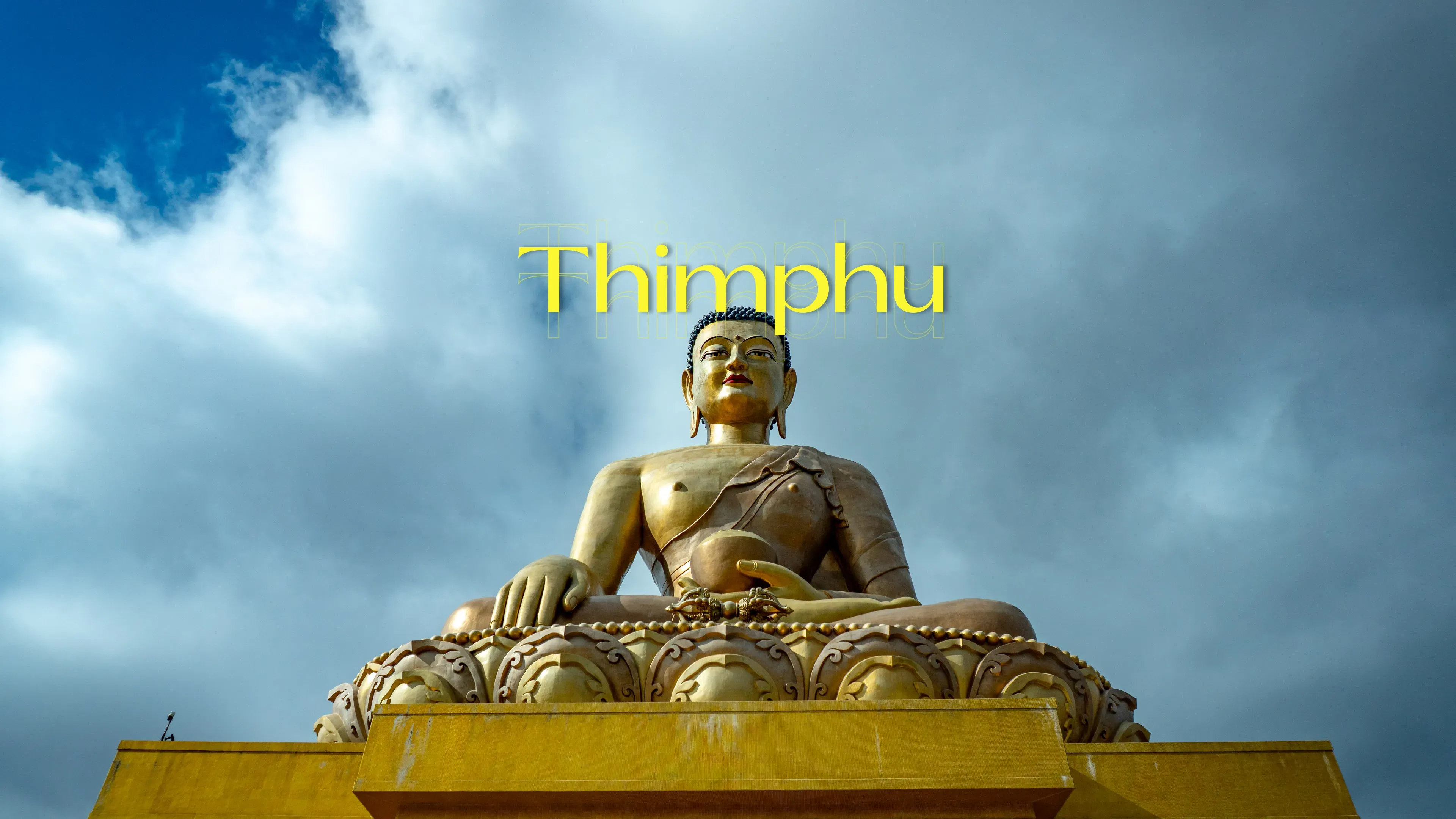
Towering over Thimphu Valley, the magnificent Buddha Dordenma is one of the largest Buddha statues in the world, standing 54 meters (177 feet) tall. Besides its impressive scale, the site offers breathtaking panoramic views of the valley and a peaceful atmosphere perfect for reflection.
Memorial Chorten
One of Bhutan's most beloved religious landmarks, the Memorial Chorten was built in honor of Bhutan's Third King. Throughout the day, you'll find locals walking around the monument, spinning prayer wheels, and offering prayers, making it an ideal place to experience Bhutanese spirituality firsthand.
National Folk Heritage Museum
Step back in time at this beautifully preserved museum, where traditional Bhutanese homes, farming tools, and everyday household items tell the story of rural life in Bhutan. It's a wonderful stop for anyone interested in the country's history and culture.
Simply Bhutan Museum
Unlike a traditional museum, Simply Bhutan offers an interactive cultural experience. Visitors can dress in traditional Bhutanese attire, try archery, sample local cuisine, and learn about village life through hands-on activities.
Changangkha Lhakhang
Dating back to the 12th century, Changangkha Lhakhang is one of the oldest temples in Thimphu. Perched on a hill overlooking the city, it offers beautiful views while providing a peaceful place to appreciate Bhutan's rich spiritual heritage.
Interesting Facts About Thimphu
Thimphu stands apart from other capital cities in many fascinating ways.
There Are No Traffic Lights
Perhaps the city's most famous feature is its complete absence of traffic lights. Instead, intersections are managed by traffic police standing inside beautifully decorated booths. Although traffic lights were briefly introduced years ago, residents preferred the traditional system, and they were eventually removed.
A Calm Capital Without Traffic Signals
Thimphu is often described as the only national capital where traffic flows without conventional traffic signals. The city's relaxed pace perfectly reflects Bhutan's emphasis on community, simplicity, and mindful living.
Traditional Architecture Everywhere
Strict building regulations ensure that modern construction blends seamlessly with traditional Bhutanese architecture. As a result, the city has maintained its unique visual identity despite ongoing development.
Happiness Matters Here
Bhutan is globally recognized for promoting Gross National Happiness (GNH) alongside economic progress. As the country's administrative center, Thimphu plays a central role in implementing policies that prioritize environmental conservation, cultural preservation, and the well-being of its people.
Exceptionally Clean Streets
Visitors are often impressed by how clean Thimphu feels. Strong environmental policies and a shared sense of civic responsibility help keep the city remarkably tidy.
Traditional Dress Is Part of Daily Life
Unlike many modern cities, it's common to see students, office workers, and government officials wearing Bhutan's national dress—Gho for men and Kira for women—adding to the city's cultural charm.
Commitment to Sustainability
Bhutan has long championed environmentally friendly practices, and Thimphu reflects this through effective waste management and restrictions on single-use plastic bags.
Best Time to Visit Thimphu
Thimphu is beautiful throughout the year, but each season offers a different experience.
Spring (March to May) brings blooming rhododendrons, pleasant temperatures, and ideal sightseeing conditions.
Autumn (September to November) offers crystal-clear mountain views, comfortable weather, and vibrant cultural festivals, making it one of the most popular times to visit.
Winter (December to February) is colder, but the quieter atmosphere and snow-capped landscapes make it a wonderful choice for travelers looking to avoid crowds.
Local Food to Try in Thimphu
Exploring Bhutanese cuisine is an essential part of any visit to Thimphu. Some local favorites include:
-
Ema Datshi (Bhutan's famous chili and cheese dish)
-
Phaksha Paa (pork cooked with red chilies)
-
Momos
-
Bhutanese Red Rice
-
Jasha Maru (spicy chicken stew)
-
Suja (traditional butter tea)
Each dish reflects Bhutan's love for bold flavors, fresh ingredients, and comforting home-style cooking.
Shopping in Thimphu
If you're looking to take home a piece of Bhutan, Thimphu offers some of the country's best shopping opportunities. Local markets and handicraft stores feature beautifully crafted souvenirs such as:
-
Handwoven textiles
-
Prayer flags
-
Wooden handicrafts
-
Traditional masks
-
Handmade incense
-
Bhutanese jewelry
-
Handmade paper products
These locally made items are perfect keepsakes while supporting Bhutanese artisans.
Why Include Thimphu in Your Bhutan Tour Package?
No Bhutan Tour Package feels complete without spending time in Thimphu. The capital offers an incredible mix of culture, history, spirituality, and natural beauty, making it the ideal introduction to the country.
Whether you're wandering through ancient monasteries, enjoying panoramic mountain views, tasting authentic Bhutanese food, or exploring vibrant local markets, every experience helps you understand what makes Bhutan so special. Adventure seekers, photographers, history lovers, and culture enthusiasts will all find something memorable here.
Why Ride with Dream Riders?
A journey through Bhutan is more than just a road trip—it's an experience of breathtaking Himalayan landscapes, ancient monasteries, vibrant culture, and unforgettable hospitality. With Dream Riders, every detail of your adventure is thoughtfully planned so you can focus on enjoying the ride.
Here's why travellers choose Dream Riders for their Thimphu tour and Bhutan Tour Package:
-
Expertly Curated Itineraries: Explore iconic destinations like Thimphu, Paro, Punakha, Dochula Pass, and more with routes designed to showcase the very best of Bhutan.
-
Ride Well Maintained Royal Enfield: Ride well-maintained, adventure-ready motorcycles that deliver comfort and confidence on every stretch of the journey.
-
Experienced Tour Manager: Our professional ride captains and support crew ensure a safe, enjoyable, and hassle-free experience from start to finish.
-
Authentic Cultural Experiences: Beyond the scenic roads, immerse yourself in Bhutan's traditions by visiting monasteries, local markets, festivals, and heritage sites.
-
Comfortable Accommodation: Relax in carefully selected hotels that combine comfort with warm Bhutanese hospitality after each day's ride.
-
Comprehensive Support: From permits and logistics to backup vehicles and technical assistance, we take care of every detail throughout your adventure.
-
Small Group Adventures: Enjoy a more personalised experience with like-minded riders while exploring Bhutan's spectacular landscapes at a comfortable pace.
Whether you're riding through the bustling streets of Thimphu, crossing the scenic Dochula Pass, or discovering the peaceful valleys of Bhutan, Dream Riders delivers an adventure that combines thrilling roads with meaningful cultural experiences. If you're looking for a memorable Bhutan Tour Package, our expertly guided motorcycle tours offer the perfect way to experience the Land of the Thunder Dragon.
Book Your Bhutan Tour Today
If you're planning your next Himalayan adventure, make sure Thimphu is more than just a destination—make it one of the highlights of your Bhutan Tour Package with Dream Riders.
Thimphu, phuentsholing to thimphu distance, paro to thimphu distance, thimphu to punakha distance, places to visit in thimphu, thimphu tour, Bhutan Tour Package, Dream Riders
Frequently Asked
Questions
01 What is Thimphu famous for?
Thimphu is famous for being the capital of Bhutan, its rich Buddhist heritage, traditional Bhutanese architecture, the iconic Buddha Dordenma statue, Tashichho Dzong, and for having no traffic lights. Instead, traffic is managed by police officers, making it one of the most unique capital cities in the world
02 What are the best places to visit in Thimphu?
Some of the top places to visit in Thimphu include Buddha Dordenma, Tashichho Dzong, Memorial Chorten, Motithang Takin Preserve, Simply Bhutan Museum, the National Folk Heritage Museum, Changangkha Lhakhang, and the Centenary Farmers Market
03 What is the best time to visit Thimphu?
The best time to visit Thimphu is during spring (March to May) and autumn (September to November), when the weather is pleasant, skies are clear, and the Himalayan landscapes are at their most spectacular
04 Why are there no traffic lights in Thimphu?
Thimphu is one of the few capital cities in the world without traffic lights. Traffic is directed by trained police officers from traditional booths, reflecting Bhutan's preference for preserving its unique cultural identity and relaxed way of life
05 What can I shop in Thimphu?
Visitors can shop for handwoven textiles, prayer flags, handmade paper products, Bhutanese handicrafts, wooden carvings, incense, jewellery, and locally produced organic goods at markets and craft stores across the city
Popular Post
-
Sri Lanka tour packages
Sri Lanka is a destination that offers an incredible mix of tropical beaches, lush mountains, ancient heritage sites, vibrant cult ....Read More -
Adventure Activities in Bhutan
Bhutan is often known for its peaceful monasteries, breathtaking Himalayan landscapes, and rich Buddhist culture. However, beyond ....Read More -
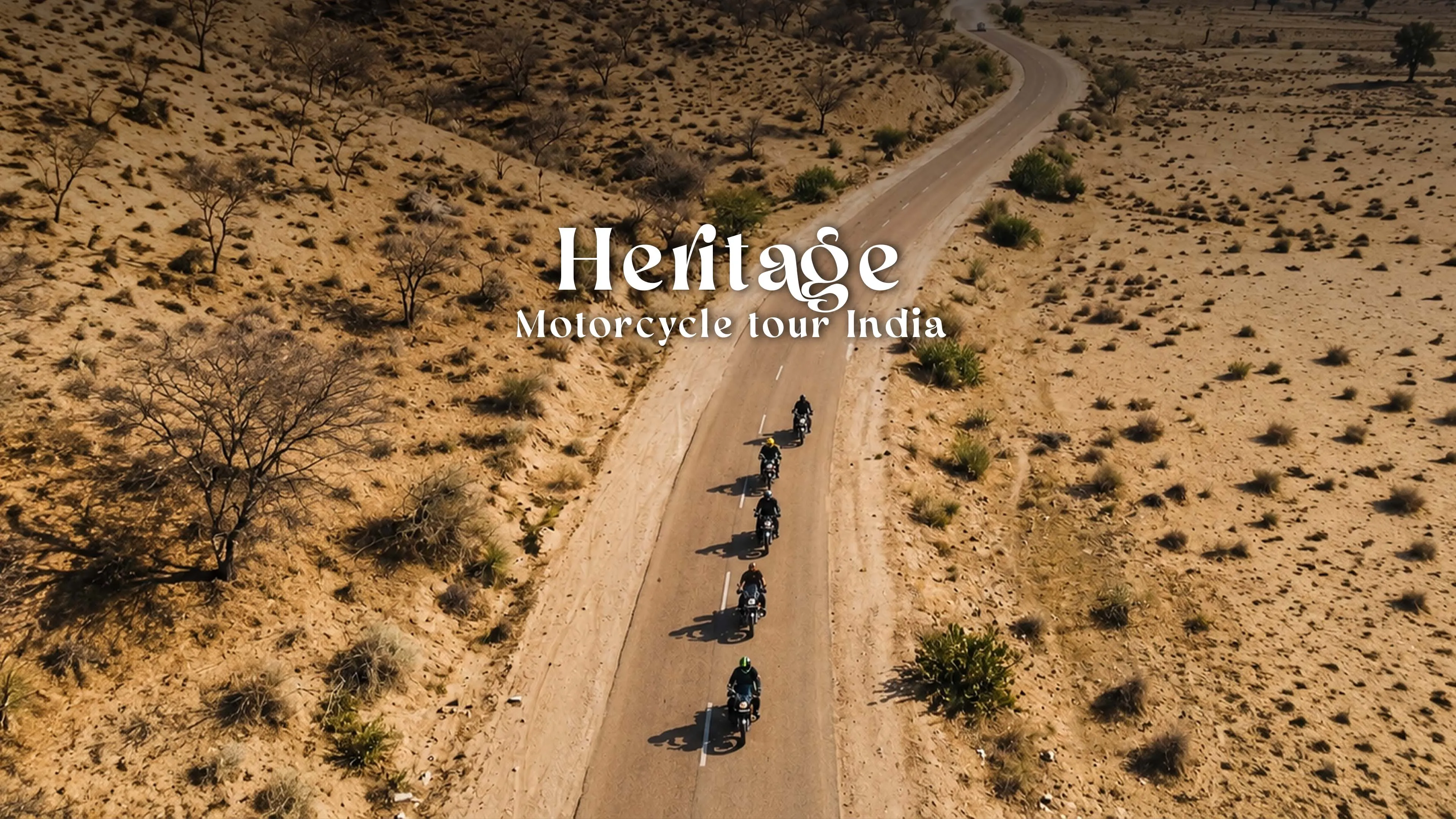
Heritage Motorcycle Tour India
India is a land where every road tells a story. Ancient forts stand proudly on hilltops, colorful bazaars echo centuries-old tradi ....Read More -
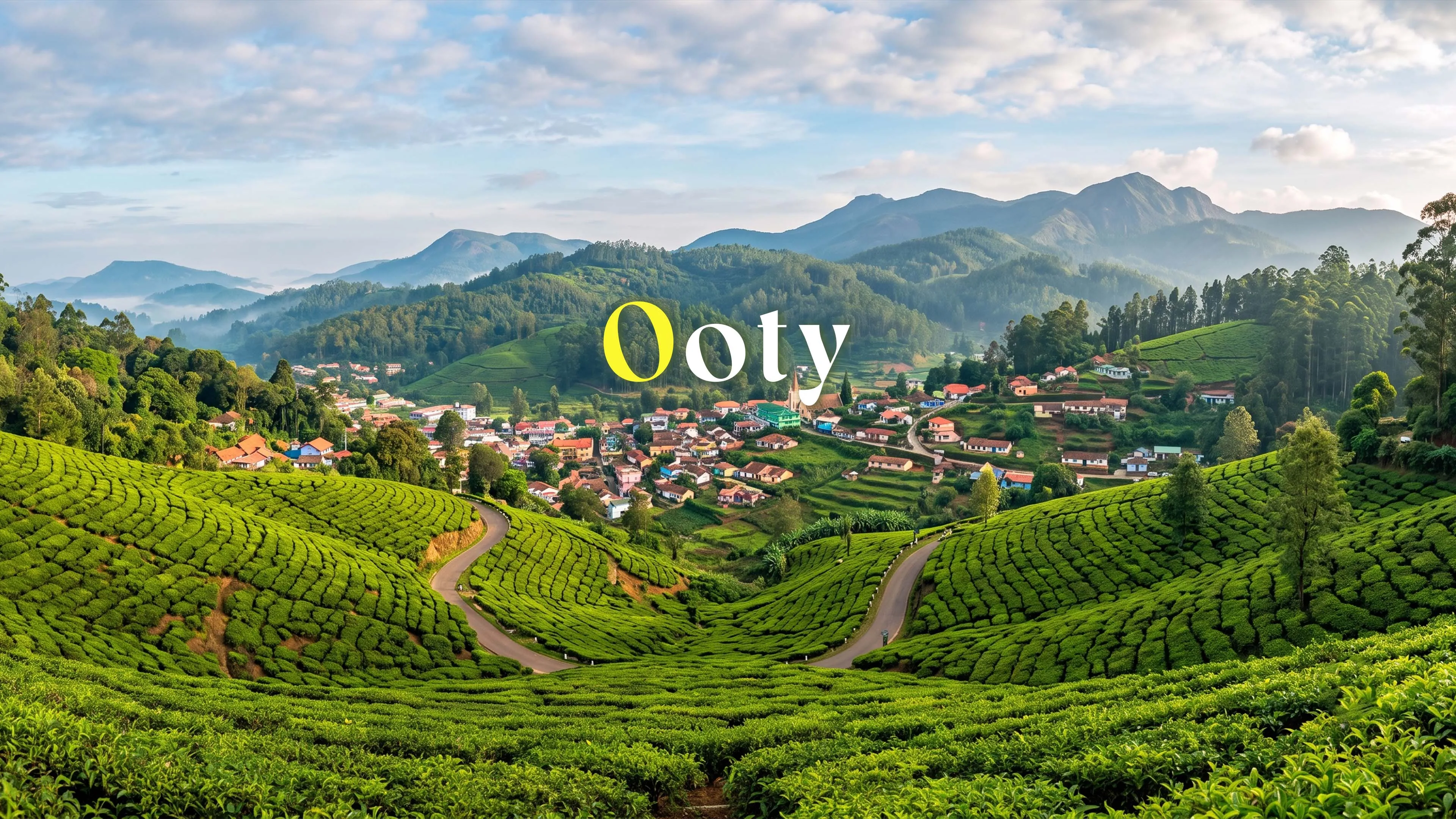
Ooty
Tucked away in the heart of the Nilgiri Hills, Ooty is one of South India's most enchanting hill stations. Officially known as ....Read More -
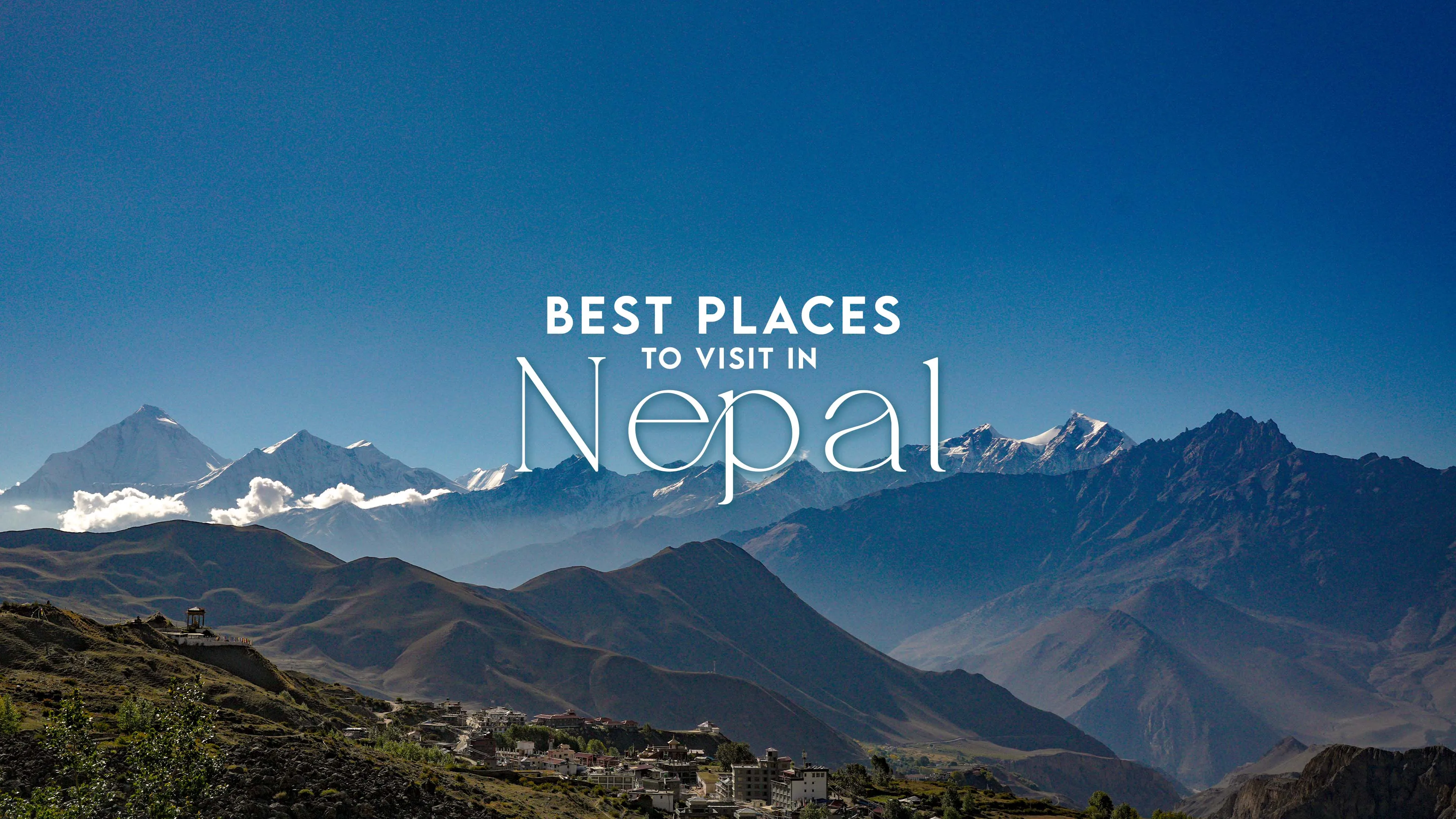
Best Places to Visit in Nepal
Nepal is a country where ancient traditions, spiritual landmarks, majestic mountains, and thrilling adventures come together to cr ....Read More -
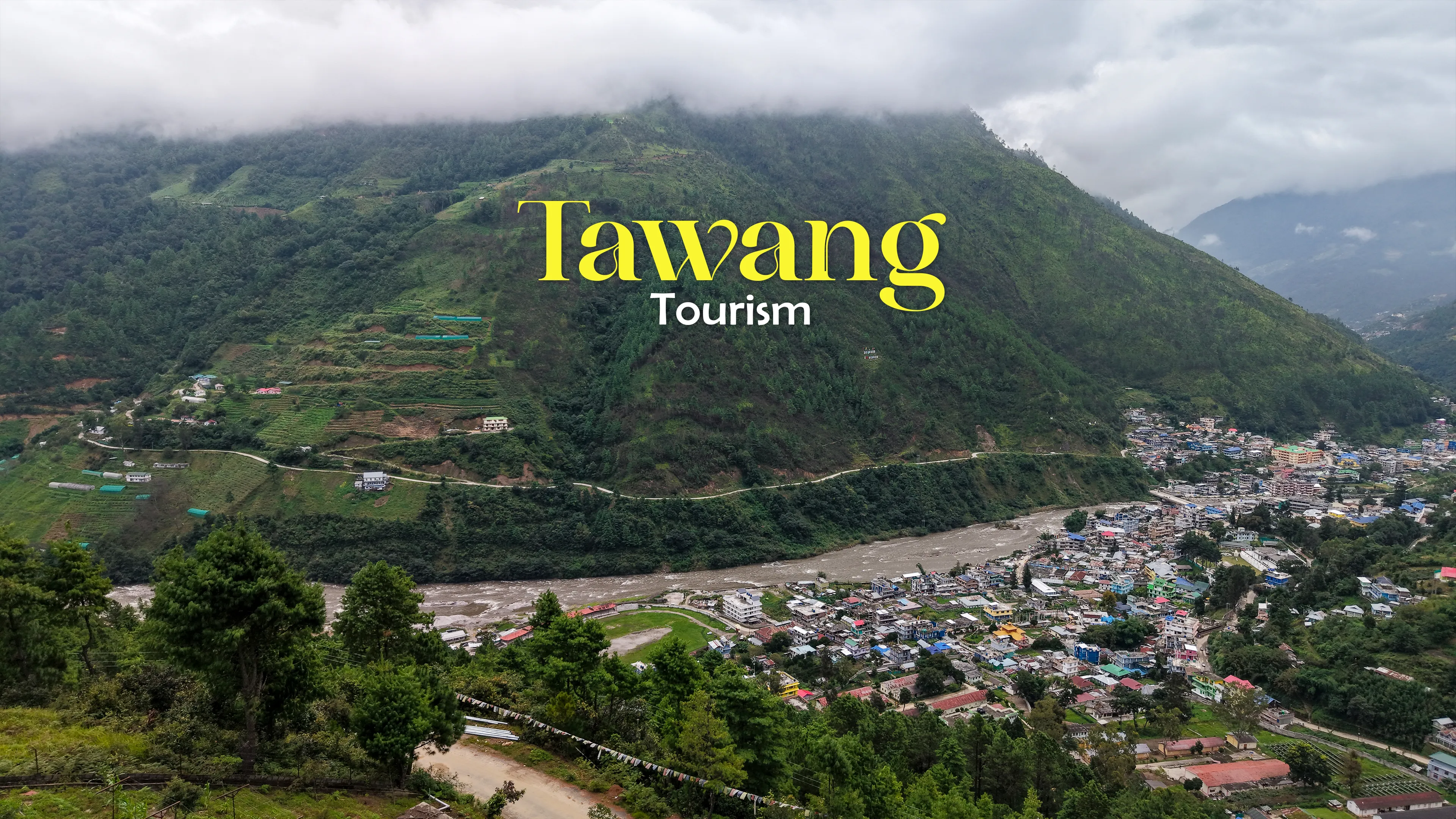
Tawang Tourism
Located at an altitude of over 10,000 feet in the Eastern Himalayas, Tawang is one of India's most spectacular mountain destin ....Read More