



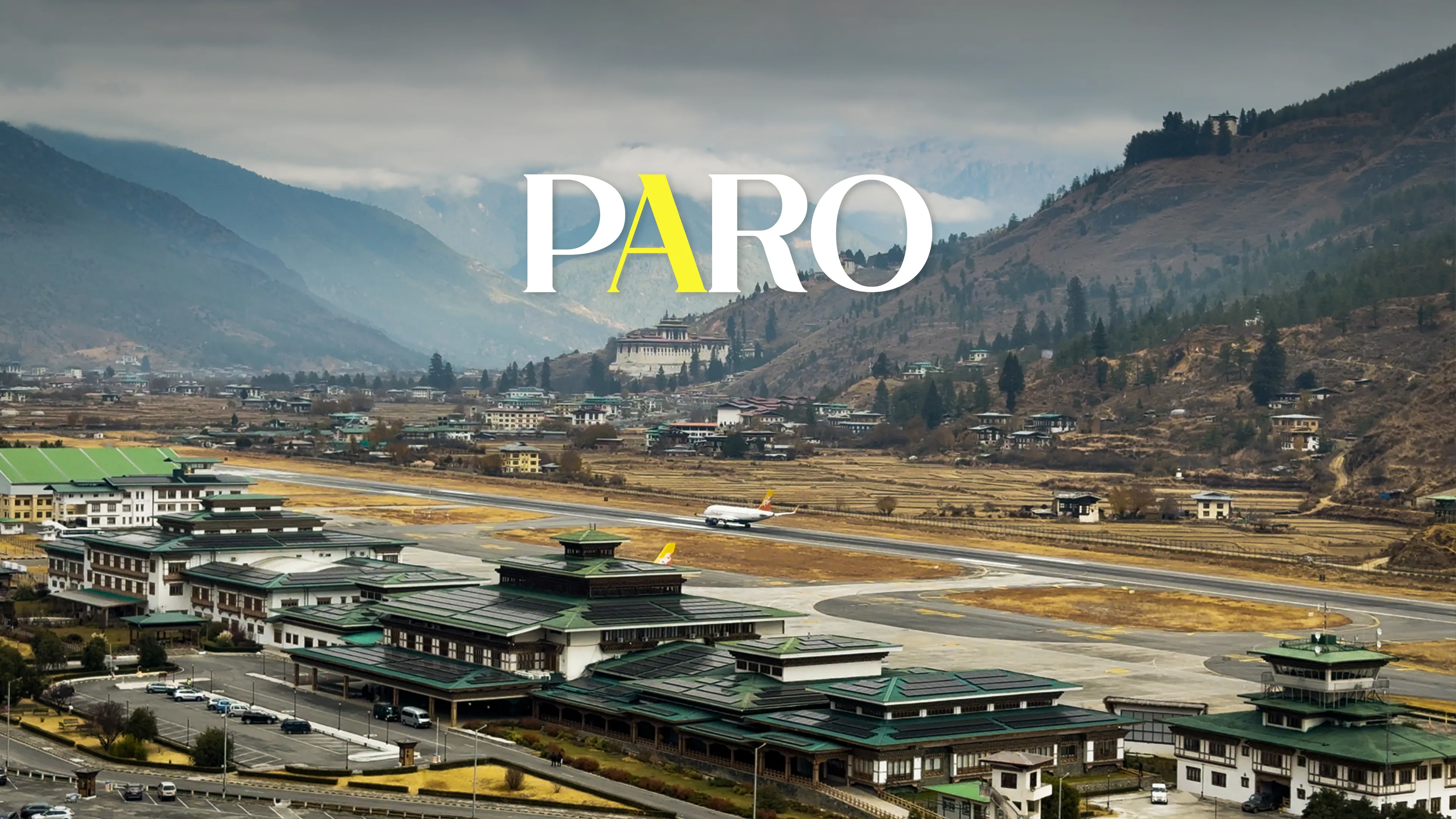
Paro
Paro is one of the most beautiful and historically significant destinations in Bhutan, attracting travellers with its breathtaking Himalayan landscapes, ancient Buddhist monasteries, traditional architecture, and peaceful countryside. Located in western Bhutan, Paro is a picturesque valley surrounded by green mountains, flowing rivers, terraced rice fields, and traditional Bhutanese villages. It is also home to the country's only international airport, making it an important gateway for international travellers exploring the Kingdom of Bhutan.
From the world-famous Tiger's Nest Monastery perched dramatically on a mountainside to the historic Rinpung Dzong and the traditional streets of Paro Town, this destination offers an unforgettable combination of history, spirituality, and natural beauty. Whether you are interested in cultural exploration, adventure activities, or scenic Himalayan journeys, Paro deserves an important place in your Bhutan itinerary.
For travellers planning their Himalayan holiday, exploring Paro through well-organised Bhutan Tour Packages provides an opportunity to discover its historical landmarks, local traditions, and spectacular landscapes.
History of Paro, Bhutan
Paro has played an important role in Bhutan's religious, cultural, and historical development for centuries. The valley is home to some of the country's oldest Buddhist temples, monasteries, and traditional fortresses. Its history is closely connected with the arrival and development of Buddhism in the Himalayan region.
According to Bhutanese religious traditions, Guru Padmasambhava, also known as Guru Rinpoche, played an important role in spreading Buddhism throughout Bhutan during the 8th century. Several sacred locations around Paro are associated with his spiritual journeys and meditation.
One of the most significant historical developments in the region took place during the 17th century, when Zhabdrung Ngawang Namgyal played a major role in unifying Bhutan and establishing its political and religious institutions. During this period, several important dzongs, including Rinpung Dzong and Drukgyel Dzong, became important centres of administration, defence, and Buddhist learning.
Paro also developed as an important agricultural and trading region because of its fertile valley and strategic location. Traditional farming, Buddhist practices, and local craftsmanship continue to shape the identity of the region.
Today, Paro preserves its historical character while welcoming visitors from around the world who come to experience Bhutanese culture and Himalayan hospitality.
Best Places to Visit in Paro
Paro offers a remarkable collection of historical landmarks, religious monuments, natural viewpoints, and cultural attractions. Here are some of the most important places to include in your travel itinerary.
1. Paro Taktsang – The Famous Tiger's Nest Monastery
Paro Taktsang, popularly known as Tiger's Nest Monastery, is the most iconic attraction in Bhutan. Located approximately 900 metres above the Paro Valley floor, this extraordinary monastery appears to cling to the side of a steep Himalayan cliff.
According to local Buddhist legends, Guru Rinpoche arrived at this sacred location in the 8th century after flying on the back of a tigress. He meditated inside a cave, helping establish the spiritual significance of the site.
Centuries later, in 1692, a monastery was established here under the patronage of Gyalse Tenzin Rabgye. Since then, Tiger's Nest has remained one of Bhutan's most important pilgrimage destinations.
Reaching the monastery requires a challenging uphill hike through beautiful pine forests, prayer flags, and mountain viewpoints. The trail offers spectacular views of the surrounding valley and the monastery itself.
Important highlights:
-
Experience one of Bhutan's most sacred Buddhist landmarks.
-
Enjoy panoramic views of the Paro Valley.
-
Explore the monastery's historic temples and meditation caves.
-
Discover the spiritual traditions associated with Guru Rinpoche.
2. Rinpung Dzong – The Fortress of the Heap of Jewels
Rinpung Dzong is another important historical landmark in Paro, known for its impressive Bhutanese architecture and religious significance.
Built in 1646 under Zhabdrung Ngawang Namgyal, the fortress served as an important centre of administration and defence. Its name is commonly translated as the Fortress of the Heap of Jewels.
The dzong features massive whitewashed walls, traditional wooden windows, colourful paintings, and beautifully decorated courtyards. It continues to serve as an important administrative and religious centre in Paro.
Visitors enter through the traditional Nemi Zam covered bridge, which provides beautiful views of the fortress and surrounding landscape.
Rinpung Dzong is also the main venue for the famous Paro Tshechu festival, where monks and performers participate in traditional masked dances and religious ceremonies.
3. Ta Dzong – National Museum of Bhutan
Located on a hill above Rinpung Dzong, Ta Dzong is an important historical building that now houses the National Museum of Bhutan.
Originally constructed in 1649, the circular watchtower was designed to protect Rinpung Dzong from external attacks during historical conflicts. Its elevated position provided an excellent viewpoint for monitoring movements across the valley.
In 1968, the building was opened as the National Museum of Bhutan following restoration and conversion work.
Today, visitors can explore collections of traditional Bhutanese art, religious paintings, historical artefacts, textiles, weapons, coins, and cultural objects. The museum offers valuable insight into Bhutan's history, traditions, and artistic heritage.
It is an excellent place to visit before exploring other historical attractions around Paro.
4. Kyichu Lhakhang – One of Bhutan's Oldest Temples
Kyichu Lhakhang is among the oldest and most sacred Buddhist temples in Bhutan. Its origins date back to the 7th century, when Tibetan King Songtsen Gampo is traditionally credited with establishing the original temple.
According to Buddhist legends, the temple was constructed as part of a network of temples intended to subdue a giant demoness and establish Buddhism across the Himalayan region.
The temple complex consists of two main temples, with the second built in 1968 under the patronage of the Queen Mother of Bhutan.
The peaceful surroundings, prayer wheels, colourful prayer flags, and traditional architecture make Kyichu Lhakhang an important spiritual destination.
Visitors can explore its sacred interiors, observe local religious practices, and experience the peaceful atmosphere of this historic monastery.
5. Drukgyel Dzong – A Historic Fortress of Victory
Drukgyel Dzong is a historically significant fortress situated in the upper Paro Valley. It was constructed in the 17th century by Zhabdrung Ngawang Namgyal to commemorate Bhutan's victory over Tibetan invasions.
The fortress once served as an important defensive structure, protecting the region from external attacks and strengthening Bhutan's strategic position.
Although a major fire destroyed much of the original structure in 1951, the remaining historic walls continued to represent an important chapter in Bhutanese history. Restoration work has helped revive this significant monument.
The surrounding village and mountain scenery make Drukgyel Dzong an excellent destination for photography and cultural exploration. On clear days, visitors can enjoy beautiful views of Mount Jomolhari.
6. Chele La Pass – Spectacular Himalayan Views
Chele La Pass is one of the most beautiful mountain viewpoints accessible from Paro. Located at approximately 3,988 metres above sea level, the pass connects the Paro and Haa valleys.
The road leading towards Chele La climbs through dense forests, mountain landscapes, and beautiful viewpoints. Colourful prayer flags decorate the pass, creating a memorable Himalayan atmosphere.
On clear days, travellers can enjoy impressive views of Mount Jomolhari and surrounding snow-covered peaks.
Chele La is particularly popular among photographers, nature lovers, and motorcycle enthusiasts looking to experience Bhutan's mountain roads.
7. Dungtse Lhakhang – A Unique Buddhist Temple
Dungtse Lhakhang is a distinctive Buddhist temple near Paro Town, built in 1433 by the famous Tibetan bridge builder and Buddhist master Thangtong Gyalpo.
Unlike many traditional Bhutanese temples, this structure has a unique chorten-like design. Its three floors represent different realms of Buddhist cosmology: hell, earth, and heaven.
The interior contains remarkable religious paintings, murals, and Buddhist imagery that provide insight into Bhutanese spiritual traditions.
Its unusual architecture and historical importance make it an interesting stop for travellers exploring Paro's cultural heritage.
Paro Town – Experience Traditional Bhutanese Lifestyle
Paro Town offers a wonderful opportunity to experience everyday life in Bhutan. Unlike busy international cities, the town maintains a relaxed atmosphere, with traditional buildings, local markets, small cafés, and handicraft shops.
The main street features traditional Bhutanese architectural designs, colourful wooden windows, and beautifully decorated buildings. Visitors can explore local shops selling handmade souvenirs, traditional textiles, prayer flags, and Bhutanese handicrafts.
Travellers can also interact with local communities, enjoy traditional food, and discover the region's agricultural lifestyle.
Paro is particularly famous for its fertile agricultural land and locally grown red rice. The surrounding countryside features traditional farmhouses, green fields, and scenic river landscapes.
Bhutanese Food to Try in Paro
Exploring Paro is incomplete without experiencing traditional Bhutanese cuisine. Local food reflects the country's agricultural traditions and cultural influences.
Some popular dishes to try include:
-
Ema Datshi: Bhutan's famous national dish prepared using chillies and cheese.
-
Kewa Datshi: A traditional preparation of potatoes, cheese, and chillies.
-
Phaksha Paa: A popular pork dish cooked with chillies and other ingredients.
-
Jasha Maru: A flavourful Bhutanese chicken dish.
-
Red Rice: A traditional Bhutanese rice variety commonly served with local meals.
-
Momos: Popular Himalayan dumplings available with different fillings.
These dishes offer travellers an authentic taste of Bhutanese food culture.
Paro and the Bhutan Motorcycle Tour Experience
For adventure enthusiasts, exploring Paro on two wheels offers an exciting way to experience the natural beauty of Bhutan. A Bhutan Motorcycle Tour allows riders to discover scenic mountain roads, traditional villages, peaceful valleys, and historic landmarks while enjoying the freedom of a Himalayan road journey.
The roads around Paro offer a combination of mountain curves, forest sections, river valleys, and spectacular viewpoints. One of the most memorable riding experiences is the journey towards Chele La Pass, where changing landscapes and panoramic Himalayan views create excellent opportunities for photography.
Motorcycle enthusiasts can also explore the roads connecting Paro with Thimphu, Punakha, and other popular destinations, depending on their itinerary and road conditions.
A well-planned motorcycle expedition should include suitable motorcycles, experienced ride leaders, mechanical support, accommodation, and assistance with required travel permissions.
Dream Riders focuses on organised motorcycle adventures with attention to rider safety, local coordination, and dependable ground support. This allows international riders to experience Bhutan's landscapes and culture with greater confidence.
Best Time to Visit Bhutan
Bhutan can be visited from September to June, offering travellers beautiful landscapes, pleasant weather, and opportunities to explore its cultural and natural attractions. The ideal time depends on your travel preferences and planned activities.
Autumn (September to November): Autumn is one of the best seasons to explore Bhutan. The skies are generally clear, mountain views are spectacular, and the weather is favourable for sightseeing, trekking, and motorcycle journeys. Travellers can also experience traditional Bhutanese festivals during this period.
Winter (December to February): Winter offers peaceful surroundings, fewer tourists, and beautiful views across Bhutan's valleys. Days are often sunny in lower regions, although temperatures can drop significantly at night and higher elevations.
Spring (March to May): Spring brings colourful rhododendron blooms, lush green valleys, and pleasant weather. It is an excellent season for sightseeing, outdoor activities, cultural exploration, and Himalayan adventures.
Early Summer (June): June offers beautiful green landscapes and opportunities to explore Bhutan before the monsoon becomes more active. However, occasional rainfall may affect road conditions and outdoor activities.
For motorcycle enthusiasts, September to June offers several opportunities to explore Bhutan's scenic mountain roads. Weather conditions and route accessibility should always be checked before departure.
Travel Tips for Visiting Paro
A little preparation can make your Paro holiday more comfortable and enjoyable.
-
Carry Appropriate Clothing: Mountain weather can change quickly, so pack warm layers even when travelling during warmer months.
-
Respect Local Customs: Wear appropriate clothing when visiting monasteries and religious sites.
-
Plan the Tiger's Nest Hike: Start early and allow sufficient time for the uphill journey and exploration.
-
Carry Cash: Keep some local currency available for small purchases, particularly outside major towns.
-
Check Travel Requirements: International travellers should confirm the latest visa, Sustainable Development Fee, and entry requirements before departure.
-
Follow Photography Rules: Some monasteries and religious buildings restrict photography inside their prayer halls.
-
Check Road Conditions: Mountain weather and road accessibility can change, especially around higher elevations.
Explore Paro with Dream Riders
Paro is a destination where Bhutan's history, spirituality, and natural beauty come together. From the spectacular Tiger's Nest Monastery and historic Rinpung Dzong to the scenic mountain roads of Chele La Pass, every part of the valley offers something memorable.
Whether you are planning a cultural holiday, a Himalayan road journey, or an adventurous motorcycle expedition, Paro provides an excellent introduction to Bhutan.
With Dream Riders, travellers can explore organised Bhutan Tour Packages designed to combine cultural attractions, scenic destinations, comfortable stays, and local experiences. For adventure lovers, a Bhutan Motorcycle Tour offers an opportunity to discover the country's mountain landscapes through an unforgettable riding experience.
Explore our Bhutan Tour Packages and start planning your Himalayan journey. Discover the history of Paro, experience Bhutanese traditions, and create unforgettable memories in the Land of the Thunder Dragon.
Frequently Asked
Questions
01 What is Paro famous for in Bhutan?
Paro is famous for Tiger's Nest Monastery, Rinpung Dzong, the National Museum of Bhutan, Kyichu Lhakhang, and its beautiful Himalayan landscapes. It is also home to Bhutan's only international airport.
02 What is the historical importance of Paro?
Paro has been an important religious, cultural, and administrative region for centuries. It contains several historic Buddhist temples and fortresses, including Kyichu Lhakhang, Rinpung Dzong, and Drukgyel Dzong.
03 What currency is used in Bhutan, and can tourists use Indian Rupees or US Dollars?
The official currency of Bhutan is the Bhutanese Ngultrum (BTN), which is pegged at 1:1 with the Indian Rupee (INR). Indian Rupees and US Dollars are also accepted at many tourist establishments. International visitors can exchange money at authorised banks and currency exchange counters. Visa and Mastercard are accepted in many urban areas, but carrying some cash is recommended, especially when travelling to remote regions.
04 What is the best time to visit Paro?
September to June is a suitable period for visiting Paro. Spring and autumn are particularly popular because of generally favourable weather, beautiful landscapes, and good sightseeing conditions.
05 Are Bhutan Tour Packages suitable for first-time visitors?
Yes, Bhutan Tour Packages are suitable for first-time visitors as they can include accommodation, transportation, sightseeing, local guides, and assistance with travel arrangements, depending on the selected itinerary.
Popular Post
-
Sri Lanka tour packages
Sri Lanka is a destination that offers an incredible mix of tropical beaches, lush mountains, ancient heritage sites, vibrant cult ....Read More -
Adventure Activities in Bhutan
Bhutan is often known for its peaceful monasteries, breathtaking Himalayan landscapes, and rich Buddhist culture. However, beyond ....Read More -
Heritage Motorcycle Tour India
India is a land where every road tells a story. Ancient forts stand proudly on hilltops, colorful bazaars echo centuries-old tradi ....Read More -
Ooty
Tucked away in the heart of the Nilgiri Hills, Ooty is one of South India's most enchanting hill stations. Officially known as ....Read More -
Best Places to Visit in Nepal
Nepal is a country where ancient traditions, spiritual landmarks, majestic mountains, and thrilling adventures come together to cr ....Read More -
Tawang Tourism
Located at an altitude of over 10,000 feet in the Eastern Himalayas, Tawang is one of India's most spectacular mountain destin ....Read More