


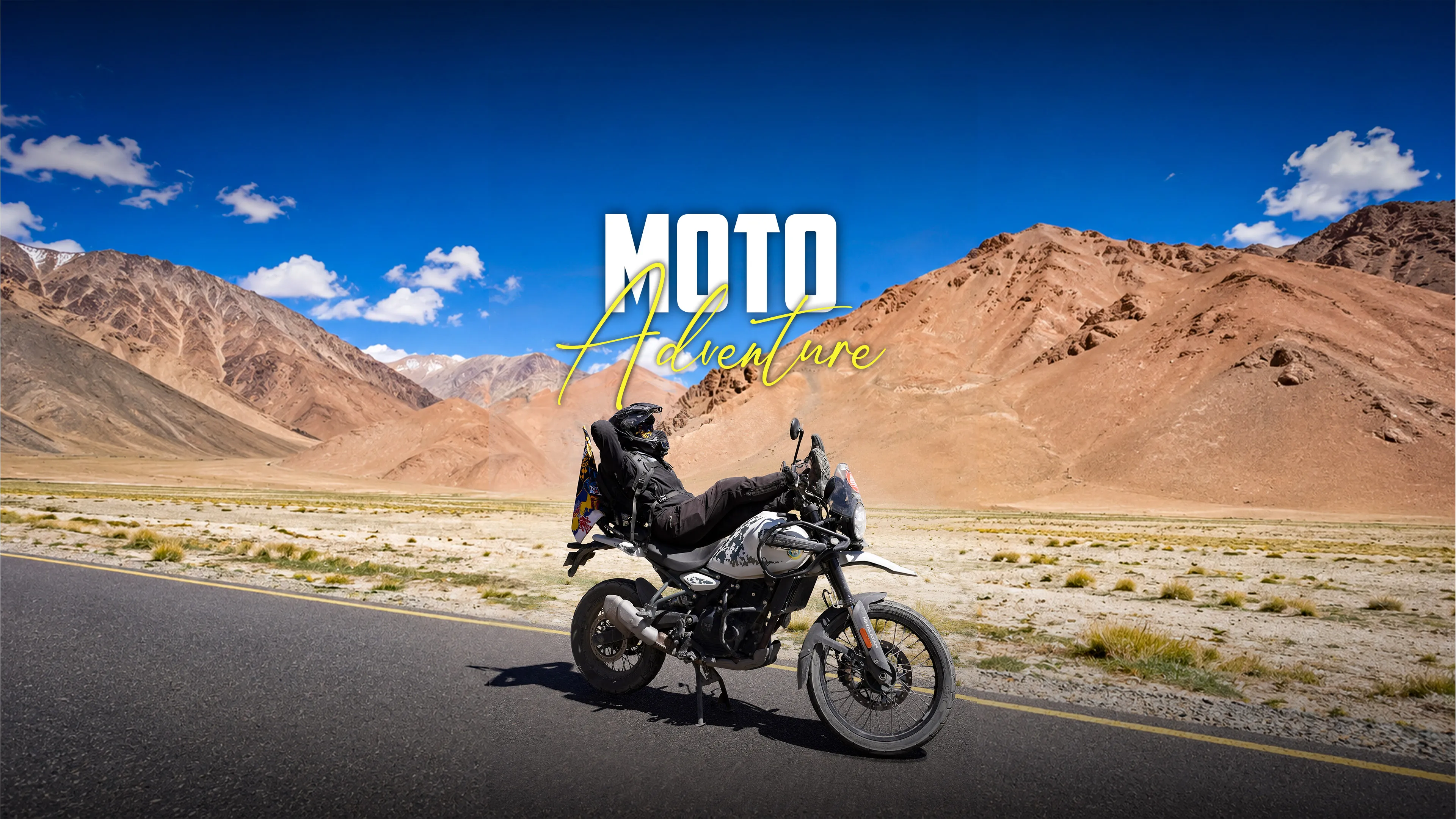
Moto Adventure
There is something special about travelling on a motorcycle. You are not simply moving from one place to another; you are experiencing the journey as it unfolds. Every turn brings a new view, every stop offers a chance to discover something unexpected, and every kilometre becomes part of a personal story. This is what makes a moto adventure different from an ordinary holiday.
Whether you enjoy weekend rides, long-distance touring, exploring unfamiliar roads, or planning a multi-day motorcycle expedition, preparation plays an important role in making the experience enjoyable. A successful bike trip is not just about choosing a destination or having the right motorcycle. It also involves understanding road conditions, preparing your riding gear, managing luggage, planning daily distances, and knowing how to respond when things do not go according to plan.
For many riders, the biggest challenge is knowing where to begin. How should you prepare your motorcycle? What should you pack? How much distance should you cover in a day? What precautions should you take when travelling through unfamiliar areas? These questions become especially important when a short ride turns into a longer journey.
This guide brings together practical travel tips to help riders plan better, ride responsibly, and make the most of every bike trip. With thoughtful preparation and a flexible approach, a motorcycle adventure can become a rewarding experience that stays with you long after you return home.
What Makes a Moto Adventure Different?
A moto adventure is about more than riding a motorcycle over a particular distance. It combines the freedom of independent travel with the excitement of discovering places at your own pace. Unlike conventional road travel, motorcycling allows you to feel changes in temperature, notice the landscape more closely, and appreciate the smaller details that are often missed when travelling inside a vehicle.
A roadside tea stall, an unexpected viewpoint, a conversation with a local resident, or a quiet stretch of road can become one of the most memorable parts of a journey. These experiences are not always included in an itinerary, but they are often what make motorcycle travel meaningful.
Adventure riding also encourages riders to become more observant and adaptable. Road surfaces can change without warning, weather conditions may shift, and travel times can vary considerably. Learning to respond calmly to these situations is an important part of becoming a confident touring rider.
However, adventure does not mean taking unnecessary risks. Good riders understand the difference between challenging themselves and riding beyond their abilities. The most rewarding journeys are those that balance excitement with preparation, sound judgement, and respect for the road.
Choose the Right Motorcycle for Your Bike Trip
The motorcycle you choose can significantly influence your comfort and confidence throughout a journey. There is no single motorcycle that is ideal for every rider or every type of trip. The right choice depends on the distance, road conditions, luggage requirements, riding experience, and personal comfort.
For paved highways and regular touring, a motorcycle that offers a comfortable riding position, predictable handling, and good fuel efficiency may be suitable. For routes involving broken roads, gravel, uneven surfaces, or occasional off-road sections, a motorcycle with appropriate suspension, ground clearance, and tyre options may be more practical.
Before choosing a motorcycle for a long journey, consider the following factors:
-
Riding comfort: Check the seat, handlebar position, footpeg placement, and overall riding posture.
-
Engine performance: Choose a motorcycle that can comfortably handle the expected terrain and luggage load.
-
Reliability: Consider the motorcycle's maintenance history and the availability of service support along the route.
-
Fuel range: Understand the approximate distance you can cover between refuelling stops.
-
Luggage capacity: Make sure the motorcycle can safely carry the essentials without affecting balance.
-
Rider experience: Select a motorcycle that you can confidently control at low speeds, on inclines, and during difficult manoeuvres.
A larger engine does not automatically make a motorcycle better for adventure touring. A manageable motorcycle that suits your experience and the road conditions can be more useful than a powerful machine that feels difficult to handle.
If you are renting a motorcycle, inspect it before accepting the keys. Check the tyres, brakes, lights, mirrors, clutch, throttle, chain, and visible signs of damage. Confirm the rental terms, insurance coverage, breakdown assistance, and responsibility for repair costs.
Plan Your Route Before You Start Riding
Route planning is one of the most important steps in organising a successful bike trip. A good route should consider more than the distance between two points. Road quality, traffic, weather, fuel availability, accommodation, daylight hours, and access to emergency assistance can all affect the journey.
Start by identifying your main stops and estimating the distance between them. Then examine the roads connecting those locations. A route that appears short on a map may take much longer if it includes winding roads, steep climbs, narrow sections, roadworks, or frequent village traffic.
When planning a daily ride, avoid filling every hour with travel. Leave room for meal breaks, photographs, sightseeing, unexpected delays, and rest. A flexible itinerary is generally more practical than one that requires you to reach a destination at any cost.
Useful route-planning practices include:
-
Download offline maps before entering areas with unreliable mobile connectivity.
-
Identify fuel stations and suitable refuelling points in advance.
-
Check accommodation options before reaching remote areas.
-
Research road closures, weather alerts, and seasonal access restrictions.
-
Share your broad itinerary and expected arrival times with someone you trust.
-
Keep an alternative route in mind when the primary road becomes unsuitable.
-
Carry enough cash for places where digital payments may not work.
It is also worth checking whether your route requires special permits, entry permissions, additional documentation, or specific vehicle arrangements. Requirements can vary according to the location, nationality of the traveller, and type of journey.
Most importantly, treat your itinerary as a guide rather than a strict deadline. If a road becomes unsafe or the weather deteriorates, changing the plan is a sensible decision, not a failure.
Prepare Your Motorcycle Before Departure
A motorcycle that performs well on a short daily commute still needs careful preparation before a long-distance journey. Extended riding places additional demands on tyres, brakes, suspension, the drivetrain, and other mechanical components.
Ideally, arrange a maintenance check several days before departure. This gives you time to address problems without rushing on the morning of your trip.
Essential motorcycle inspection checklist
Tyres and wheels: Check tyre pressure against the manufacturer's recommendations for the expected load. Examine the tread, sidewalls, and wheels for visible damage. Ensure that any spare tube or puncture-repair equipment is appropriate for your tyre setup.
Brakes: Inspect the brake pads, discs, fluid level, and brake response. Any unusual noise, vibration, or reduced braking performance should be investigated before the journey.
Engine oil and fluids: Check engine oil and any other fluids specified in the owner's manual. Look for leaks and confirm that the scheduled servicing is up to date.
Chain and drivetrain: For chain-driven motorcycles, check chain slack, lubrication, and sprocket condition. Adjust the chain according to the manufacturer's instructions.
Battery and electrical system: Test the headlight, indicators, brake light, horn, dashboard, and charging system. Carry suitable spare fuses if recommended for your motorcycle.
Controls and cables: Check the throttle, clutch, mirrors, handlebars, and switches. Controls should operate smoothly without sticking or unusual resistance.
Fasteners and luggage mounts: Inspect visible bolts, racks, panniers, and mounting points. Make sure luggage attachments are secure and cannot interfere with the wheels, exhaust, suspension, or controls.
Keep a small motorcycle-specific tool kit, a suitable tyre-repair solution, and basic emergency supplies. Learn how to use the equipment before leaving rather than trying to understand it during a breakdown.
If you notice a mechanical problem during the trip, stop somewhere safe and assess the situation. Do not continue riding if the motorcycle's brakes, tyres, steering, or other critical systems may be compromised.
Pack the Right Riding Gear
Comfort and safety depend heavily on the gear you wear. Weather can change considerably over the course of a long ride, particularly when travelling through areas with different elevations or climates.
A good packing strategy begins with protective riding equipment rather than casual clothing. Choose gear that fits properly and provides suitable protection for the conditions you expect to encounter.
Your essential riding gear should include:
-
A properly fitted, certified motorcycle helmet.
-
A protective riding jacket and trousers with suitable armour.
-
Riding gloves that provide grip and protection.
-
Over-the-ankle motorcycle boots with suitable support.
-
Eye protection or a clear visor that provides good visibility.
-
Waterproof outerwear for unexpected rain.
-
Thermal layers for cold mornings and changing temperatures.
-
Reflective or high-visibility elements where appropriate.
Avoid assuming that warm weather means protective equipment is unnecessary. Road surfaces can cause serious injuries even during a low-speed fall.
Pack light without leaving out essentials
Overpacking makes a motorcycle harder to manage and increases the difficulty of moving luggage when stopping for the night. Carry versatile clothing that can be layered and reused where practical.
Separate your belongings into categories: riding gear, everyday clothing, toiletries, electronics, documents, medicines, and emergency supplies. Waterproof bags or dry liners help protect important items from rain and road spray.
Keep frequently used essentials accessible without having to unpack everything. Your phone, water, identification, snacks, and rain protection should be easy to reach when needed.
Secure every bag carefully. Heavy items should be positioned low and close to the centre of the motorcycle wherever the luggage system allows. Avoid placing loose items near moving parts or carrying a load that affects handling.
Before departure, take a short test ride with the motorcycle fully loaded. Check that the luggage stays secure and that braking, turning, and low-speed handling remain predictable.
Understand Weather and Road Conditions
Weather can change the character of a motorcycle journey within a short period. Bright sunshine at the start of the day does not guarantee favourable conditions throughout the route.
Rain can reduce traction and visibility. Strong crosswinds can affect stability, particularly on exposed roads and bridges. Loose gravel, sand, mud, potholes, and standing water can make familiar sections more difficult to negotiate.
Before each riding day, check a reliable weather forecast and look for relevant road advisories. In remote areas, seek recent information from local authorities, accommodation providers, or reliable tour operators.
A few practical precautions can make a significant difference:
-
Reduce speed when visibility or traction deteriorates.
-
Increase following distance on wet or uneven surfaces.
-
Avoid sudden braking, acceleration, or steering inputs.
-
Wear suitable layers instead of relying on one heavy garment.
-
Stop in a safe place if wind, rain, fog, or fatigue makes riding uncomfortable.
-
Never assume that a route is passable simply because it was open the previous day.
If you encounter standing water, a landslide, a damaged road, or a potentially unstable slope, do not attempt a crossing simply to maintain your schedule. Wait for reliable information and follow local safety instructions.
The goal is not to complete every planned kilometre regardless of circumstances. The goal is to arrive safely while enjoying the journey.
Build a Comfortable Daily Riding Schedule
One of the most common mistakes in motorcycle touring is planning too much riding for a single day. Looking at a map can make a long distance appear straightforward, but the actual journey may involve traffic, curves, construction, difficult surfaces, and frequent stops.
Instead of focusing only on kilometres, estimate the total time required to complete the journey. Include breaks, meals, fuel stops, photographs, and possible delays.
Your ideal daily distance will depend on your experience, the motorcycle, road quality, weather, and physical condition. A relaxed highway ride may allow more distance than a day involving narrow mountain roads or rough terrain.
A practical riding routine could look like this:
Before departure: Eat a proper breakfast, check the weather, inspect the motorcycle, confirm the route, and make sure your riding gear is secure.
During the morning: Ride at a comfortable pace and stop periodically to stretch, drink water, and assess your energy levels.
Around midday: Take time for a meal and a longer rest, particularly during hot weather or physically demanding rides.
During the afternoon: Monitor the remaining distance, weather, and daylight. Avoid rushing to make up for earlier delays.
Before evening: Aim to reach your planned stop with enough time to park, secure your belongings, eat, and rest before the next day.
Avoid riding when you are sleepy, mentally exhausted, or unable to concentrate. Fatigue affects judgement and reaction time, even when you feel determined to continue.
Regular breaks are part of good riding practice, not wasted time. A well-rested rider is better prepared to recognise hazards and respond appropriately.
Stay Hydrated and Look After Your Health
Motorcycle travel can be physically demanding, even when you spend much of the day sitting. Heat, wind, protective clothing, vibration, and long periods of concentration can contribute to fatigue and dehydration.
Drink water regularly rather than waiting until you feel extremely thirsty. Eat balanced meals and carry convenient snacks for stretches where food may not be readily available. During hot weather or prolonged exertion, consider appropriate electrolyte replacement when needed.
Protect yourself from the sun with suitable clothing, sunscreen, and eye protection. Keep an eye on signs of exhaustion, including headaches, dizziness, unusual weakness, nausea, or difficulty concentrating.
High-altitude travel requires additional care. Your body may need time to adjust to reduced oxygen availability, and fitness alone does not eliminate the risk of altitude illness. Ascend gradually when possible, follow destination-specific acclimatisation guidance, and avoid pushing through symptoms.
A severe or worsening headache, breathlessness at rest, confusion, or difficulty walking normally at altitude requires urgent medical assessment. Stop ascending and seek appropriate medical help rather than attempting to ride through the symptoms.
Carry your regular prescribed medicines, personal medical information, and a basic first-aid kit. Consider suitable travel insurance that covers the activities you intend to undertake, including motorcycle riding where applicable.
Your health should always take priority over the itinerary.
Keep Your Travel Documents Organised
Documentation is easy to overlook when most of your attention is focused on the motorcycle and the route. However, missing or invalid documents can interrupt a journey before it properly begins.
For a domestic bike trip, check the requirements applicable to your circumstances. These may include:
-
A valid driving licence for the motorcycle category.
-
Vehicle registration documents.
-
Valid motor insurance.
-
A valid pollution-under-control certificate where required.
-
Personal identification.
-
Booking confirmations and emergency contact information.
For international motorcycle travel, requirements can be more extensive. Depending on the country and travel arrangements, you may need a passport, visa, an International Driving Permit where applicable, permission to ride or rent a motorcycle, suitable insurance, and vehicle-related documents.
Do not assume that your domestic driving licence, rental agreement, or insurance policy automatically covers riding abroad. Verify the requirements with the relevant authorities and your insurer before departure.
Some routes may also require regional permits or additional entry permissions. Confirm the latest rules for your exact route and nationality rather than relying on old travel posts.
Keep secure digital copies of important documents, but retain the original documents whenever they are legally required. Store emergency contacts separately so they remain available if your phone is lost or damaged.
Navigate Unfamiliar Roads with Confidence
Navigation technology makes it easier to explore unfamiliar places, but relying entirely on a phone can create problems when the battery runs out or network coverage disappears.
Download offline maps before departure and make sure you understand how to use them. A phone mount can help you view directions, but it should not obstruct your vision or interfere with motorcycle controls.
Set your route before starting to ride. If you need to change a destination or examine an unfamiliar junction, stop in a safe location first.
Pay attention to road signs, local instructions, and actual road conditions rather than following navigation directions blindly. A mapping application may recommend a road that is unsuitable for your motorcycle, temporarily closed, or inaccessible to certain vehicles.
On remote routes, ask reliable local sources about road conditions and fuel availability. Keep enough battery power for navigation and emergencies, and carry a power bank where practical.
When travelling in a group, agree on meeting points and what to do if riders become separated. Everyone should know the planned destination and have access to the basic route information.
Good navigation is not about never getting lost. It is about staying calm, making informed decisions, and avoiding unnecessary risks when plans change.
Understand Group Riding Etiquette
Riding with other motorcyclists can make a bike trip more social and enjoyable. It also introduces additional responsibilities because every rider's decisions can affect the group.
Before starting, discuss the route, planned stops, expected riding pace, communication methods, and emergency procedures. Riders should understand who is leading the group and who is responsible for checking that everyone has reached the agreed stopping points.
Maintain a safe following distance and avoid trying to keep up with a rider whose pace exceeds your comfort level. Never feel pressured to ride faster simply because others are doing so.
Use agreed hand signals or communication equipment where appropriate. Inform the group when you need to stop, refuel, or address a mechanical issue.
A few important group riding practices include:
-
Ride within your own skill level.
-
Avoid sudden manoeuvres that surprise other riders.
-
Do not compete with other members of the group on public roads.
-
Stop at agreed locations rather than waiting unpredictably in unsafe places.
-
Respect the lead rider's instructions without ignoring your own assessment of safety.
-
Check that less experienced riders are comfortable with the pace and route.
A well-organised group does not need every rider to have identical skills. It needs clear communication, realistic expectations, and mutual respect.
Plan Your Budget Beyond Fuel Costs
A motorcycle trip can become more expensive than expected if the budget includes only fuel and accommodation. Proper planning should account for the full cost of travelling, maintaining the motorcycle, and dealing with unexpected changes.
Begin by estimating the main expenses: fuel, accommodation, meals, permits, tolls, parking, and local activities. Add rental charges if applicable, as well as insurance and any required deposits.
You should also account for maintenance, replacement parts, protective equipment, and emergency transport where relevant. Remote areas may have limited accommodation choices or higher costs for supplies.
To manage your budget effectively:
-
Research typical fuel prices and the distance between refuelling points.
-
Book accommodation in advance when availability is limited.
-
Keep an emergency reserve separate from your planned spending.
-
Carry more than one payment option where practical.
-
Check cancellation policies before making non-refundable bookings.
-
Review rental agreements for mileage limits, deposits, and damage charges.
Travelling economically does not mean compromising on essential safety equipment or taking unnecessary mechanical risks. It means spending thoughtfully on the things that matter while allowing enough flexibility for unexpected situations.
Respect Local Communities and the Environment
Responsible motorcycle travel involves more than reaching a destination. Riders also share roads, public spaces, natural areas, and local resources with the people who live there.
Drive at an appropriate speed through villages and residential areas. Avoid unnecessary honking, excessive engine noise, littering, and behaviour that disturbs wildlife or local residents.
Choose designated parking areas and follow restrictions in protected or environmentally sensitive locations. Do not leave waste behind at viewpoints, campsites, roadside stops, or remote mountain locations.
Supporting local businesses can also make travel more meaningful. Buying meals from local establishments, choosing locally operated accommodation, and learning about regional customs can contribute to the communities you visit.
Ask permission before photographing people, private property, or culturally sensitive places. Follow local rules at religious sites and respect areas where photography or vehicle access is restricted.
If you encounter livestock, pedestrians, or wildlife on the road, slow down and allow adequate space. Avoid revving the engine or attempting to force animals out of the way.
The freedom of a moto adventure comes with a responsibility to leave places in good condition for the next traveller and the people who call them home.
Prepare for Unexpected Problems
Even a carefully planned bike trip can involve delays, punctures, bad weather, lost belongings, or accommodation changes. Preparation cannot eliminate every problem, but it can make many situations easier to manage.
Carry a basic emergency kit appropriate for the route. This may include a first-aid kit, torch, charging equipment, tyre-repair supplies, basic tools, water, snacks, and essential medicines.
Before travelling into remote areas, understand where you can obtain fuel, medical assistance, or mechanical support. Save important contact numbers and share your itinerary with someone who can raise the alarm if you fail to check in as planned.
If the motorcycle breaks down, move to a safe location away from moving traffic wherever possible. Make yourself visible to other road users and assess whether the issue can be addressed safely with your available equipment.
Do not attempt complicated roadside repairs unless you have the knowledge and tools to do them correctly. Arrange professional assistance when necessary.
If you are travelling with a tour operator, understand the support arrangements before the trip begins. Ask what happens in the event of a mechanical breakdown, rider illness, route closure, or emergency evacuation. Clarify what is included and what additional costs may apply.
A sensible backup plan gives you greater confidence to explore without assuming that every part of the journey will go perfectly.
Common Mistakes to Avoid on a Bike Trip
Many travel difficulties arise from small decisions made repeatedly rather than one major mistake. Recognising these habits before departure can help you avoid unnecessary stress.
Trying to cover too much distance: An overloaded itinerary can turn an enjoyable journey into a tiring race. Allow enough time for rest and changing road conditions.
Ignoring motorcycle maintenance: A small issue with tyres, brakes, or the drivetrain can become more serious when left unchecked. Inspect the motorcycle before departure and during the trip.
Packing unnecessary items: Excess luggage affects handling and makes daily stops less convenient. Prioritise essential equipment and pack according to the actual conditions.
Riding beyond your ability: Difficult roads and unfamiliar terrain demand patience. Reduce your pace when conditions require it and avoid unnecessary manoeuvres.
Ignoring weather warnings: A planned route may become unsuitable after heavy rain, snowfall, strong winds, or other adverse conditions. Reassess the situation before continuing.
Depending on mobile connectivity: Network coverage and battery life cannot be guaranteed everywhere. Keep offline navigation and important information accessible.
Skipping rest breaks: Fatigue reduces concentration and decision-making ability. Stop when you need to recover rather than waiting until you are exhausted.
Treating every delay as a problem: A late start, a road closure, or an unexpected overnight stop may require a change of plan. Flexibility is an important part of responsible travel.
The best travel habits are often simple: prepare thoroughly, pay attention, communicate clearly, and make decisions based on conditions rather than pressure.
How to Make Every Motorcycle Journey More Memorable
A memorable moto adventure is not measured only by the distance covered, the number of photographs taken, or the difficulty of the roads. Often, the most rewarding experiences come from the time spent outside the saddle.
Leave room for spontaneous stops when it is safe to do so. Explore local food, speak respectfully with residents, visit places of cultural interest, and take time to understand the surroundings rather than rushing through them.
Keep a simple travel journal or record the day's highlights. Photographs and short notes can help you remember useful route information, interesting places, and lessons learned along the way.
At the same time, avoid letting photography or social media distract you while riding. Stop safely before taking pictures, and never put yourself or others at risk for a particular shot.
Consider what you want from the trip before setting off. Some riders value challenging roads and technical riding, while others prefer relaxed touring, cultural experiences, wildlife, or scenic landscapes. Understanding your priorities helps you choose a route and pace that suit you.
You do not need to complete the longest itinerary or ride the most difficult road to have a worthwhile experience. The best journey is one that matches your interests, respects your limits, and gives you time to enjoy the process.
Book Your Adventure Bike Trip
A successful moto adventure begins long before the engine starts. Choosing a suitable motorcycle, planning a realistic route, checking the weather, packing the right equipment, and preparing for unexpected situations all contribute to a safer and more enjoyable bike trip.
Good travel tips are not about removing every uncertainty from the road. They are about helping you make better decisions when conditions change. A well-maintained motorcycle, appropriate riding gear, regular rest breaks, and respect for local communities can make a meaningful difference throughout the journey.
Whether you are preparing for your first multi-day ride or planning another long-distance expedition, focus on what matters most: ride within your abilities, remain flexible, and give yourself time to experience the places along the way.
With thoughtful preparation and the right attitude, every journey can offer something new to learn, discover, and remember.
Explore Your Next Motorcycle Adventure with Dream Riders
Every rider has a different idea of the perfect journey. Some dream of winding mountain roads and challenging high-altitude passes, while others prefer cultural discoveries, scenic coastlines, historic landscapes, or routes through unfamiliar countries. Explore these 12 destinations to find a motorcycle adventure that matches your riding style.
-
Ladakh Motorcycle Tour — For riders seeking dramatic Himalayan landscapes, high-altitude mountain passes, and challenging adventure roads.
-
Spiti Motorcycle Tour — For those who want to explore rugged mountain terrain, remote villages, and the stark beauty of the Trans-Himalayan region.
-
Zanskar Motorcycle Tour — For experienced adventure seekers drawn to remote valleys, rough roads, and a quieter Himalayan riding experience.
-
Pangi Valley Motorcycle Tour — For riders looking for isolated mountain routes, dramatic landscapes, and a more demanding road adventure.
-
Tawang Motorcycle Tour — For travellers who want to combine mountain riding in Northeast India with Buddhist monasteries and distinctive local culture.
-
Meghalaya Motorcycle Tour — For riders who enjoy green hills, winding roads, waterfalls, and journeys through the landscapes of Northeast India.
-
Rajasthan Motorcycle Tour — For those who prefer desert highways, historic forts, traditional towns, and colourful cultural experiences.
-
South India Motorcycle Tour — For riders interested in exploring varied landscapes, coastal roads, countryside routes, and regional food and culture.
-
Bhutan Motorcycle Tour — For a kingdom riding experience through peaceful valleys, mountain passes, monasteries, and Bhutan's distinctive cultural heritage.
-
Nepal Motorcycle Tour — For riders looking to combine Himalayan scenery, winding mountain roads, traditional settlements, and cultural exploration.
-
Sri Lanka Motorcycle Tour — For those who want to experience tropical coastlines, tea-growing hills, historic sites, and diverse landscapes on two wheels.
-
Vietnam Motorcycle Tour — For adventure riders seeking winding countryside roads, dramatic mountain scenery, lively local markets, and immersive cultural experiences.
Ready to plan your next ride? Explore the motorcycle tours offered by Dream Riders, choose a journey that suits your interests and experience, and start preparing for the road ahead.
Frequently Asked
Questions
01 How do I prepare for my first motorcycle trip?
Start by choosing a suitable motorcycle, checking its mechanical condition, planning a realistic route, and packing essential riding gear. Check weather and road conditions, carry important documents, and ensure you have enough time for rest breaks.
02 What are the essential travel tips for a long-distance bike trip?
Plan daily distances according to road conditions, inspect your motorcycle regularly, wear protective riding gear, stay hydrated, and take breaks to avoid fatigue. Keep offline maps, emergency contacts, basic tools, and a backup budget for unexpected situations.
03 What should I pack for a motorcycle adventure?
Pack a certified helmet, protective riding gear, gloves, sturdy riding boots, waterproof layers, personal medicines, a first-aid kit, essential documents, a phone charger, and basic motorcycle repair equipment. Keep luggage secure and avoid overloading the motorcycle.
04 How can I stay safe during a motorcycle adventure in the mountains?
Check weather and road updates, ride at a comfortable speed, maintain a safe following distance, and avoid riding when tired. For high-altitude journeys, allow time for acclimatisation and seek medical assistance if symptoms of altitude sickness develop. Never continue through unsafe road or weather conditions just to follow your itinerary.
05 Which destinations are best for a motorcycle adventure with Dream Riders?
Dream Riders offers motorcycle adventures across destinations including Ladakh, Spiti, Zanskar, Pangi Valley, Tawang, Meghalaya, Rajasthan, South India, Bhutan, Nepal, Sri Lanka, and Vietnam. The best destination depends on your preferred terrain, riding experience, travel season, and interest in Himalayan landscapes, cultural exploration, or international motorcycle touring.
Popular Post
-
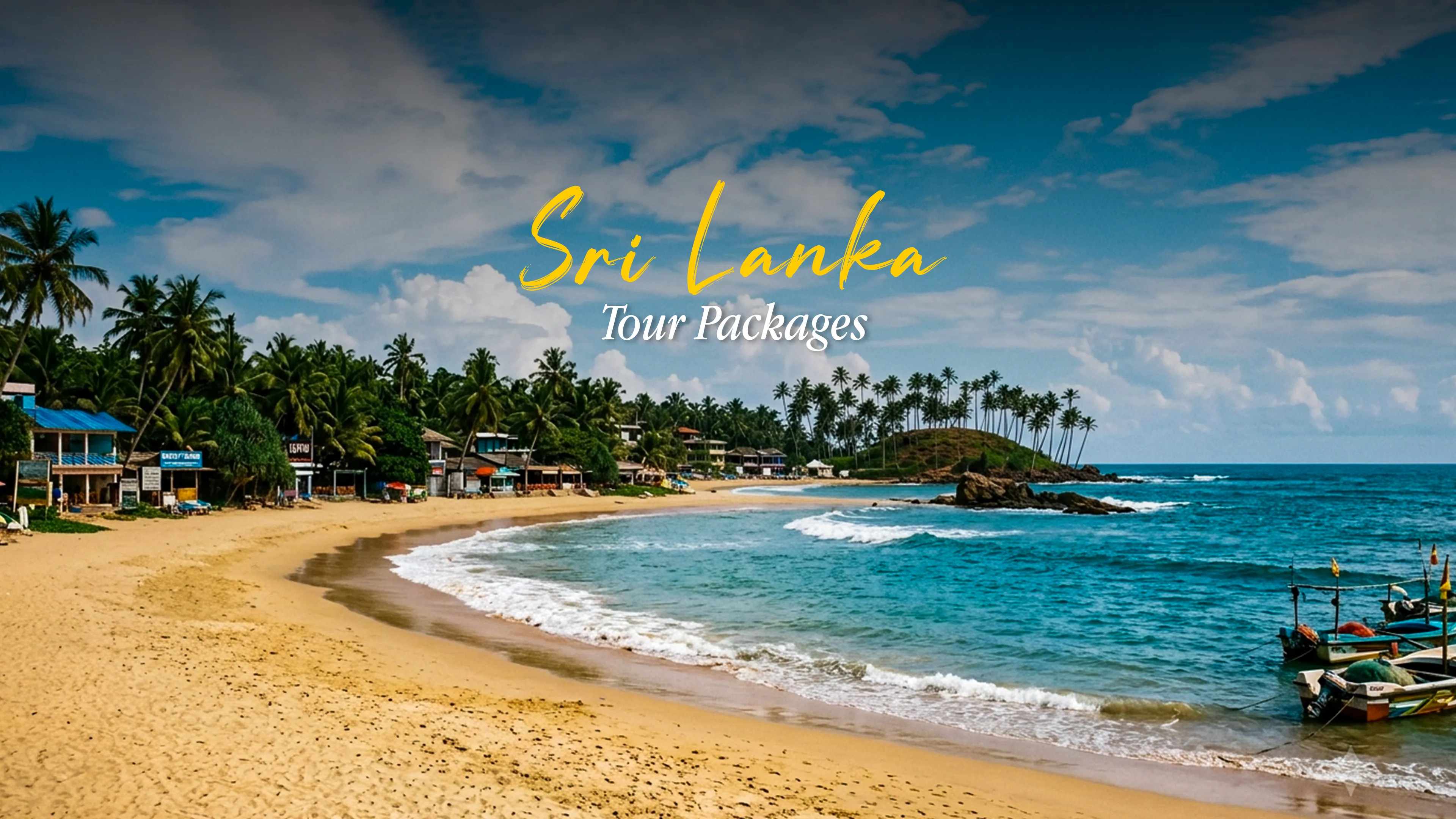
Sri Lanka tour packages
Sri Lanka is a destination that offers an incredible mix of tropical beaches, lush mountains, ancient heritage sites, vibrant cult ....Read More -
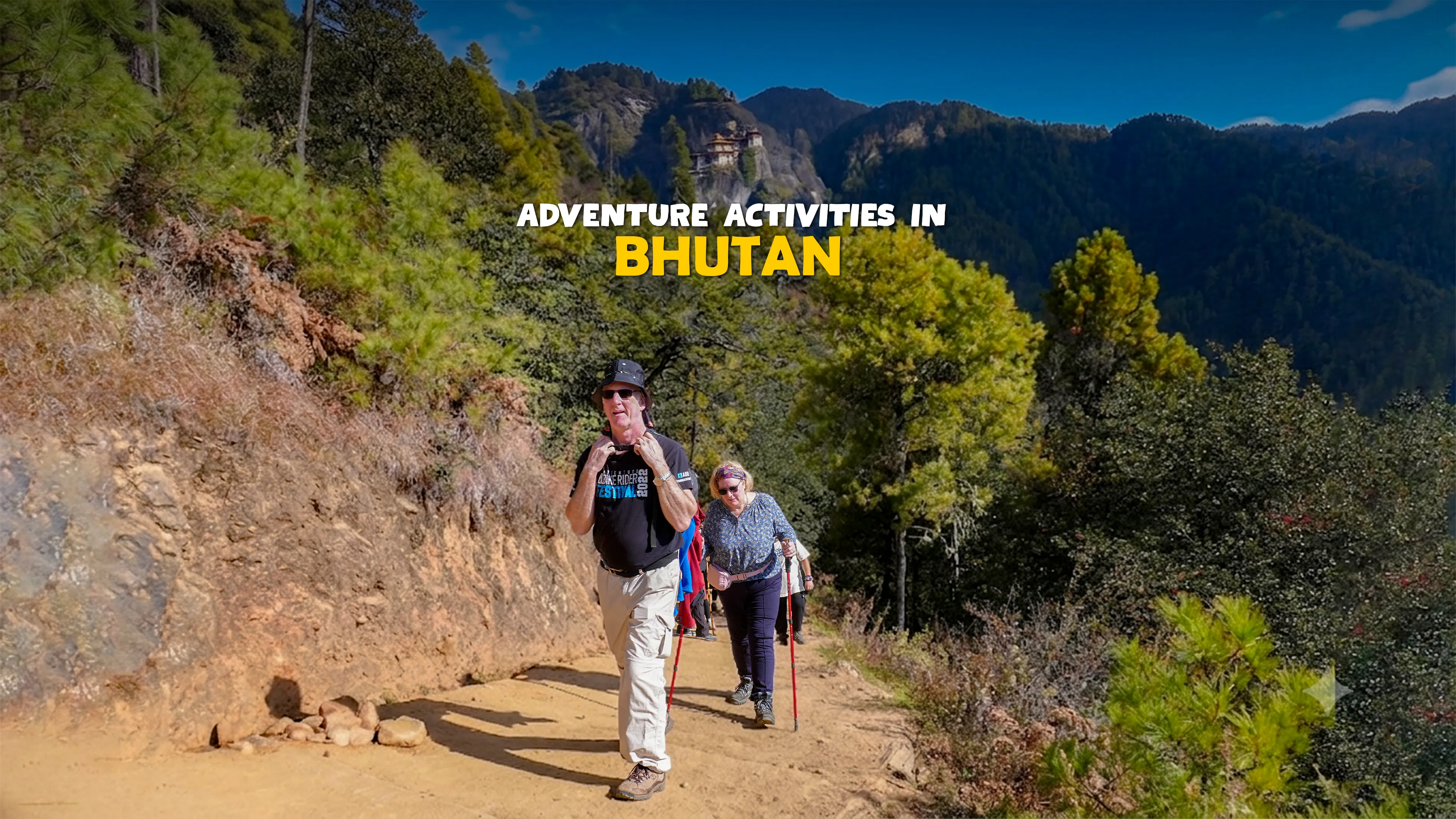
Adventure Activities in Bhutan
Bhutan is often known for its peaceful monasteries, breathtaking Himalayan landscapes, and rich Buddhist culture. However, beyond ....Read More -
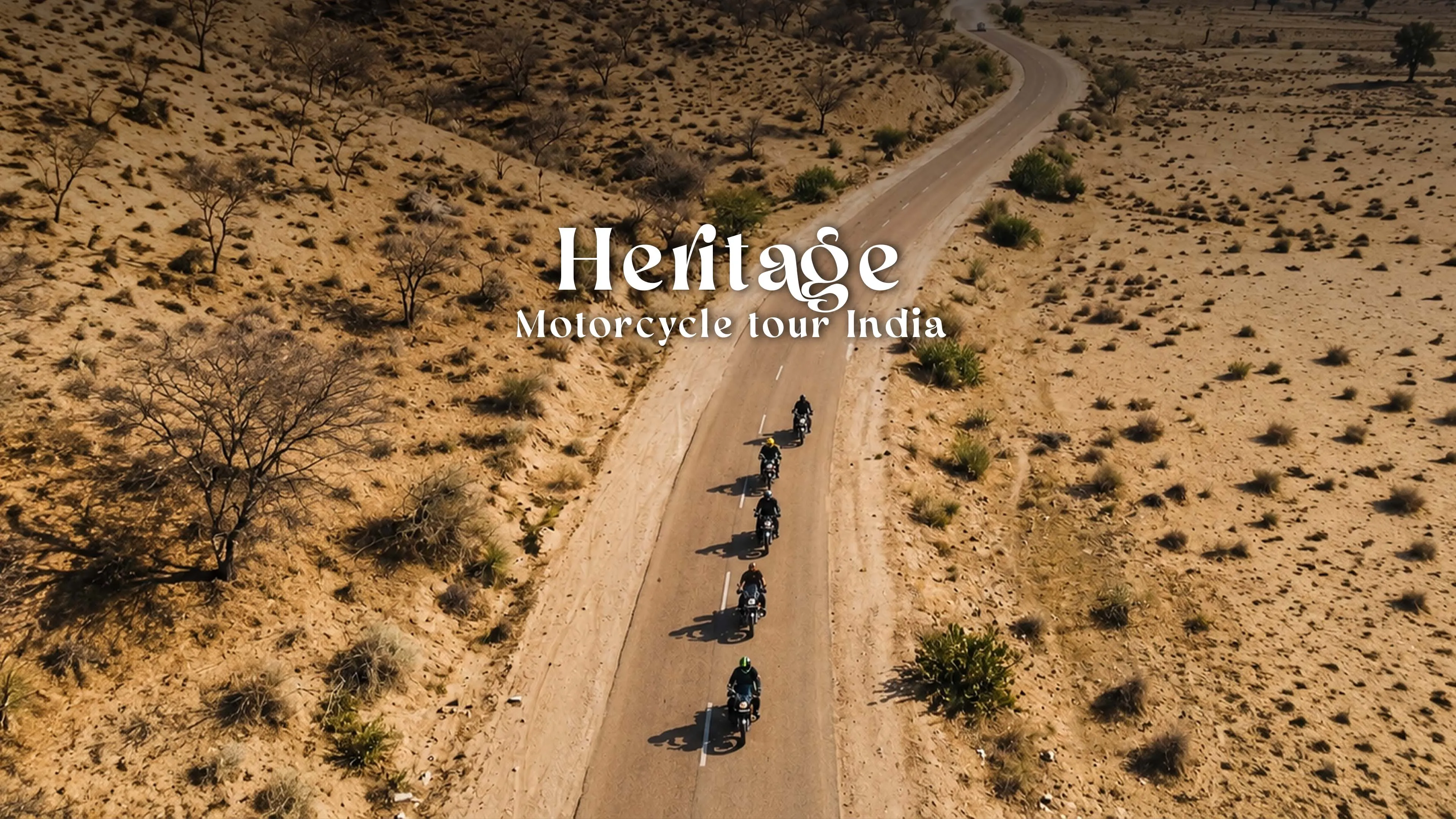
Heritage Motorcycle Tour India
India is a land where every road tells a story. Ancient forts stand proudly on hilltops, colorful bazaars echo centuries-old tradi ....Read More -
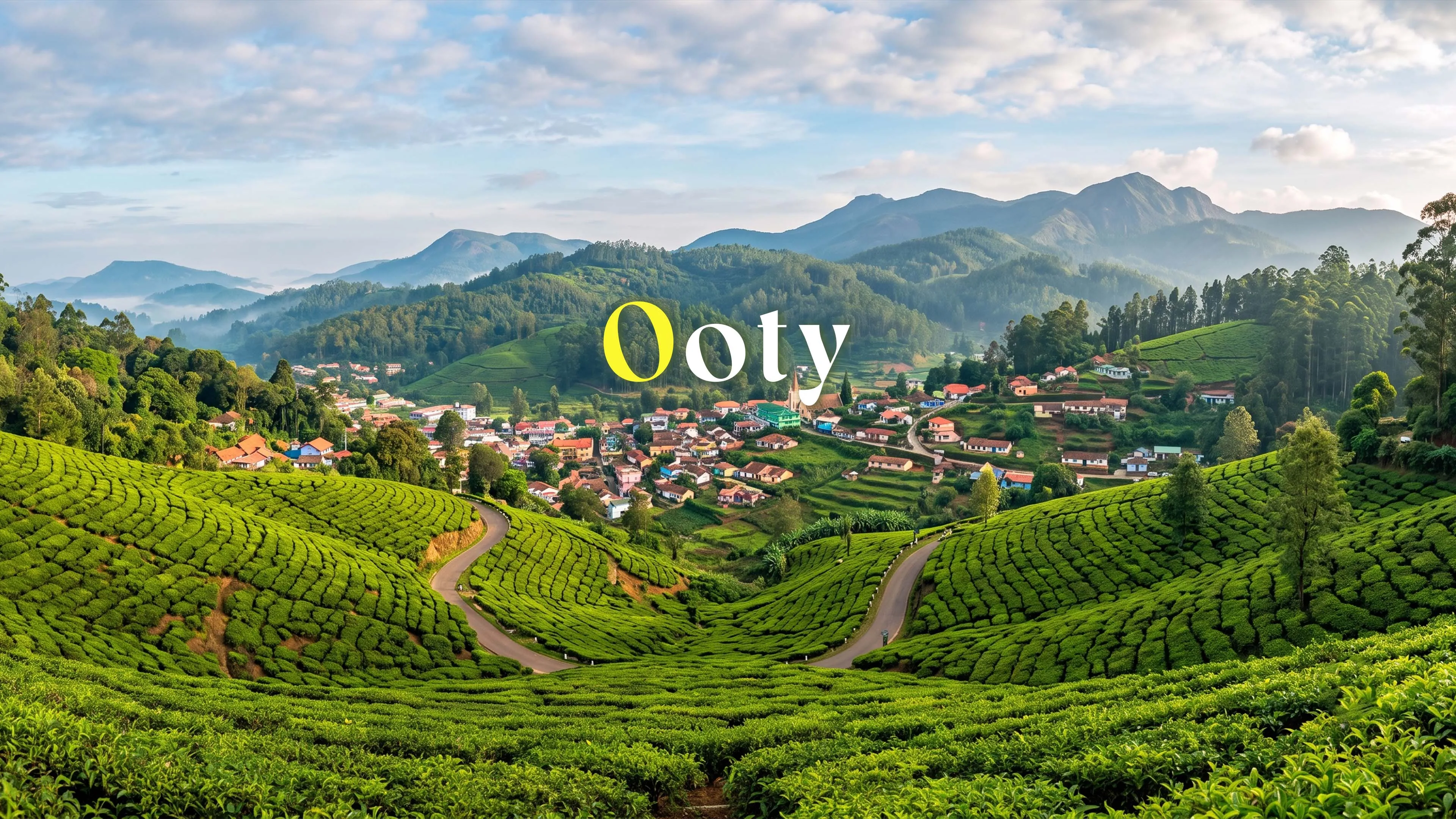
Ooty
Tucked away in the heart of the Nilgiri Hills, Ooty is one of South India's most enchanting hill stations. Officially known as ....Read More -
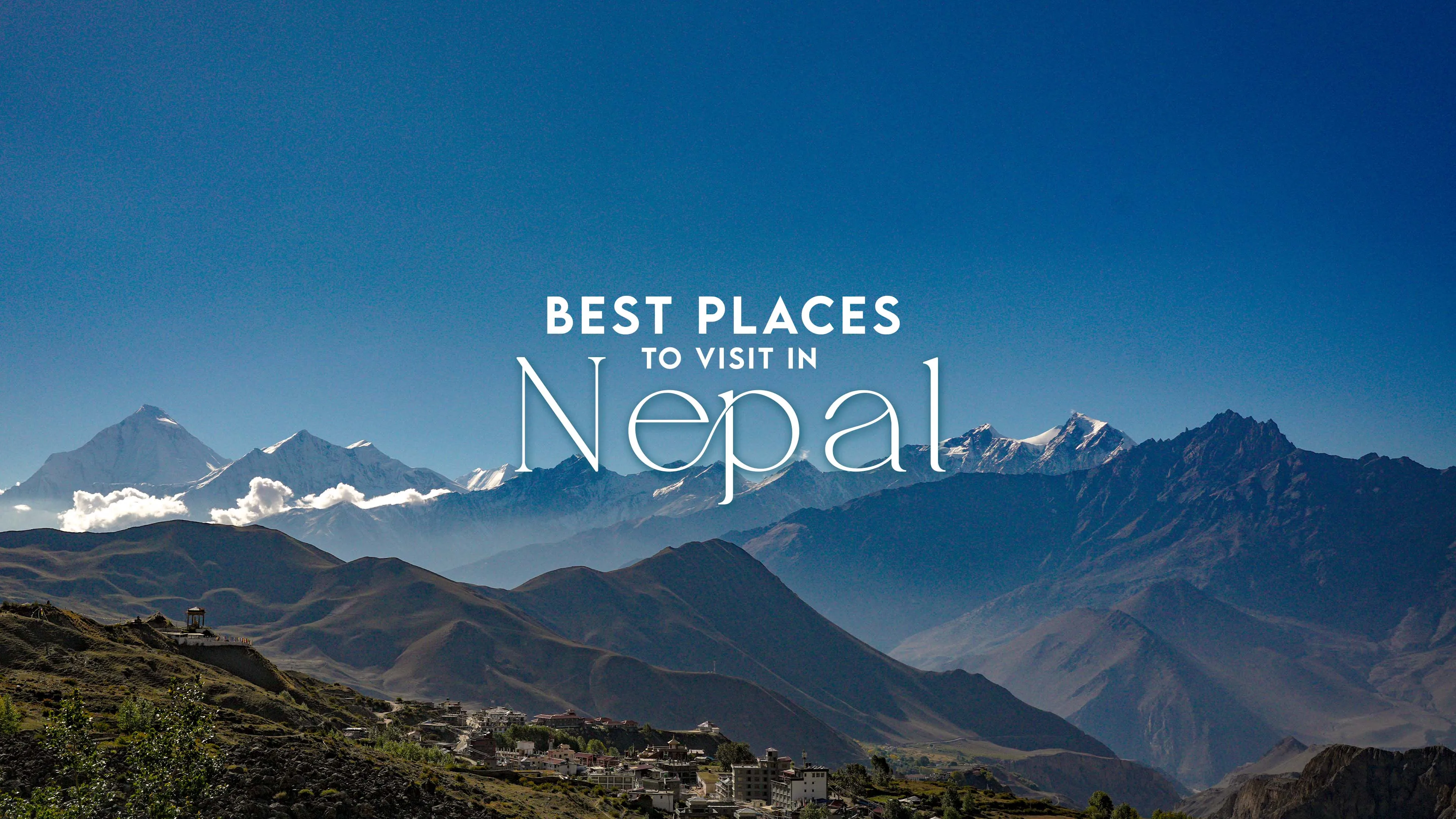
Best Places to Visit in Nepal
Nepal is a country where ancient traditions, spiritual landmarks, majestic mountains, and thrilling adventures come together to cr ....Read More -
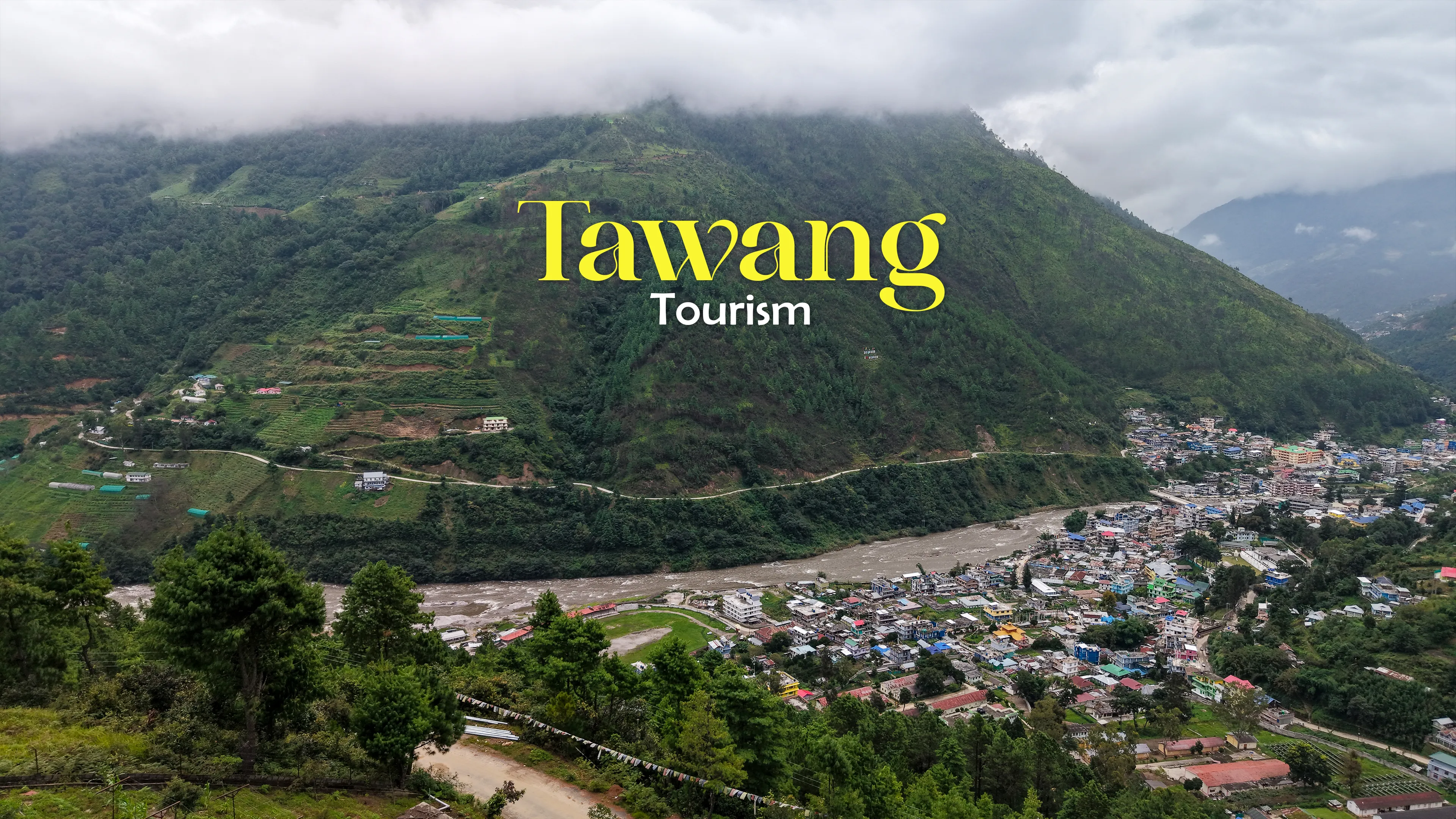
Tawang Tourism
Located at an altitude of over 10,000 feet in the Eastern Himalayas, Tawang is one of India's most spectacular mountain destin ....Read More