



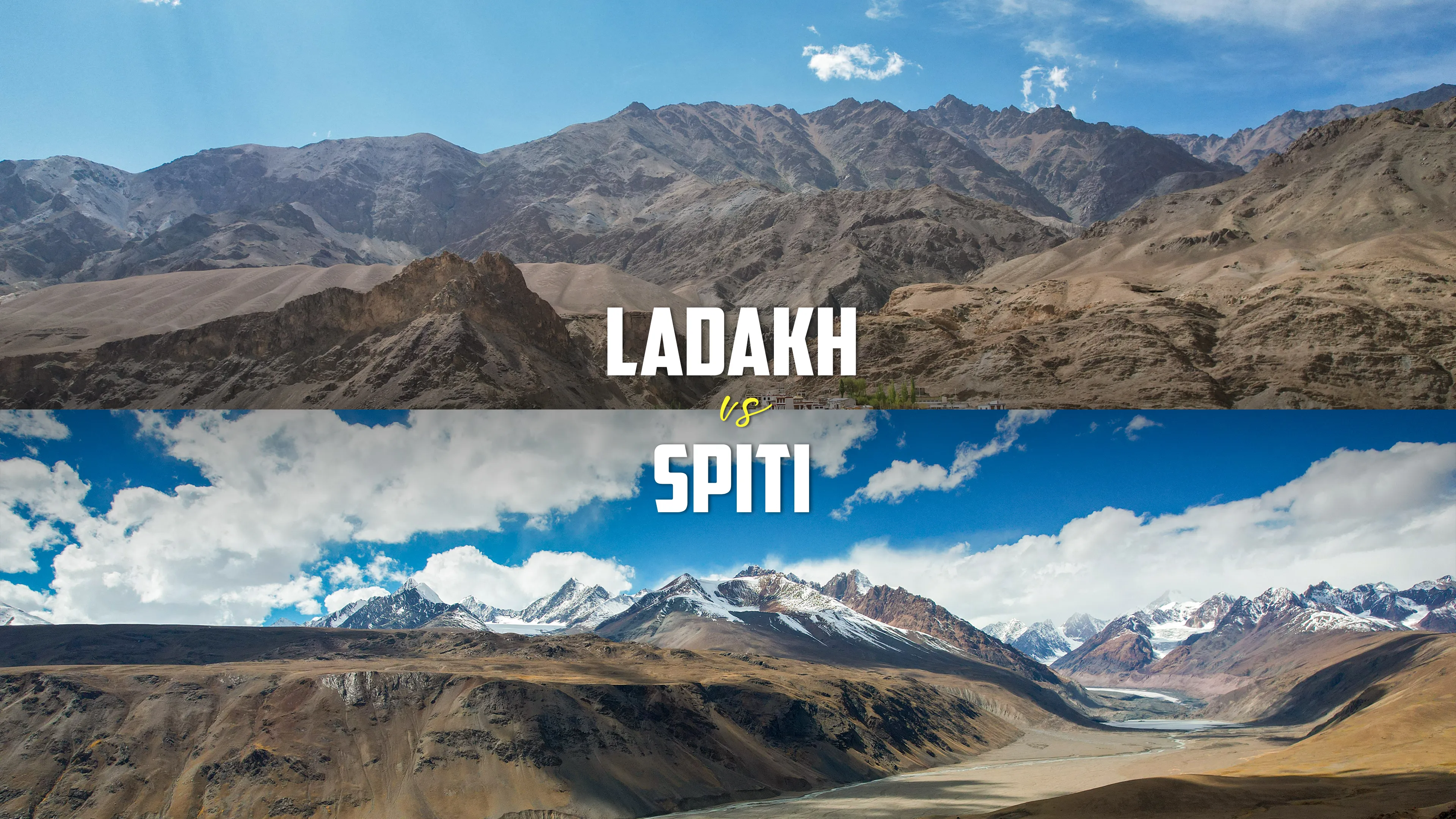
Ladakh vs Spiti
The Himalayas are not just mountains—they are a proving ground for riders who seek more than highways, destinations, and ordinary travel. They are a place where every kilometer tests skill, patience, and mindset. Among all riding routes in India, two destinations consistently stand out as the ultimate dream for motorcyclists: Ladakh and Spiti Valley.
Both are central pillars of himalayan motorcycle tours, yet they offer completely different styles of adventure. A Ladakh bike trip is vast, cinematic, and visually overwhelming, with endless deserts, high mountain passes, and iconic blue lakes. In contrast, a Ride to spiti valley is raw, technical, and deeply immersive, where narrow roads, isolated villages, and rugged terrain define every moment of the journey.
This guide is written in a professional adventure tone to help riders understand every critical factor before planning their expedition into the Himalayas.
Introduction
Motorcycling in the Himalayas is not about distance—it is about adaptation and survival in ever-changing conditions. Roads shift from smooth tarmac to broken gravel without warning. Weather can change within minutes, turning clear skies into cold winds or unexpected snowfall. At high altitude, oxygen levels drop significantly, affecting both rider endurance and machine performance. Every section demands focus, control, and respect for the environment.
Ladakh and Spiti represent two extreme expressions of Himalayan riding philosophy.
Ladakh = scale, altitude, iconic landscapes, and structured adventure.
Here, riders experience wide valleys, dramatic mountain passes, and world-famous routes like Khardung La, Pangong Lake circuits, and the legendary Umling La—the world’s highest motorable road. The journey feels expansive and cinematic, making it one of the most sought-after motorcycle expeditions in the world.
Spiti = isolation, technical terrain, raw wilderness, and minimal human interference.
The region challenges riders with narrow cliff-side roads, unpredictable surfaces, and deep valleys that demand constant attention and precision. It is less about comfort and more about pure riding skill and mental endurance, with highlights like the breathtaking Chandratal Lake adding a surreal, high-altitude contrast to the raw terrain experience.
Both regions demand preparation, physical fitness, and mental strength. However, the reward is unmatched freedom—riding above clouds, crossing ancient mountain landscapes, and experiencing the Himalayas in their most powerful and untouched form.
Ladakh vs Spiti – Core Identity
Ladakh Motorcycle Tours
A Ladakh Motorcycle Tours , bike ride to ladakh, himalayan motorcycle tours , Ladakh bike trip experience is defined by:
-
High-altitude desert terrain
-
Iconic lakes like Pangong and Tso Moriri
-
Long highways with dramatic scenery
-
High mountain passes like Umling La
👉 Riding emotion: Grand, cinematic, bucket-list adventure
Spiti Guided Motorcycle Tour
A Spiti Guided Motorcycle Tour,Ride to spiti valley,spiti valley tour experience is defined by:
-
Narrow cliff-side roads
-
Gravel, dirt, and broken terrain
-
Remote Himalayan villages
-
Minimal infrastructure and services
👉 Riding emotion: Raw, intense, and skill-driven exploration
Terrain & Landscape – Two Different Worlds
Ladakh Terrain
-
Cold desert geography
-
Wide valleys and open landscapes
-
Long smooth stretches between mountains
-
High passes surrounded by snow peaks
👉 Feel: Open-world cinematic riding experience
Spiti Terrain
-
Deep valley system with sharp elevation changes
-
Narrow roads carved into cliffs
-
Frequent gravel and loose rock sections
-
Landslide-prone mountain routes
👉 Feel: Technical precision riding in extreme environment
Altitude & Difficulty – True Himalayan Challenge
Ladakh
-
Extremely high altitude (up to ~19,024 feet passes)
-
Thin oxygen zones across multiple days
-
Altitude sickness risk is significant
-
Terrain difficulty: Moderate, altitude difficulty: High
Spiti
-
High altitude valleys (~12,000–15,000 ft range)
-
Constant terrain challenge due to road conditions
-
Fatigue builds due to continuous technical riding
-
Terrain difficulty: High, endurance requirement: High
Culture – Living Traditions of the Himalayas
Ladakh Culture
-
Strong Tibetan Buddhist influence
-
Large monasteries such as Hemis and Thiksey
-
Structured tourism economy
-
Festivals and cultural events are well known
👉 Experience: Spiritual yet tourist-friendly
Spiti Culture
-
Ancient Himalayan settlement culture
-
Monasteries like Key and Tabo over 1000 years old
-
Minimal modernization and untouched lifestyle
-
Deep interaction with local villagers
👉 Experience: Authentic, raw, and preserved Himalayan heritage
Food Experience – Fuel of the Mountains
Ladakh Food
-
Momos, thukpa, skyu
-
Butter tea
-
Cafés in Leh and tourist zones
-
Mixed Tibetan and Indian cuisine
👉 Balanced comfort with regional taste
Spiti Food
-
Simple homestay-cooked meals
-
Dal, rice, rajma, seasonal vegetables
-
Very limited restaurant infrastructure
-
Traditional village-style cooking
👉 Minimal, authentic, survival-based nutrition
Acclimatization – Critical Survival Factor
Ladakh
-
Mandatory acclimatization before long rides
-
High-altitude exposure across multiple passes
-
Hydration is essential
-
Overexertion increases risk significantly
Spiti
-
Gradual exposure required due to long riding days
-
Fatigue management is critical
-
Consistent hydration and pacing required
-
Weather and terrain increase physical load
Best Time to Visit
Ladakh Motorcycle Tours
-
May to September
-
Clear roads and stable weather conditions
-
Peak accessibility for lakes and passes
Spiti Guided Motorcycle Tour
-
June to September
-
Seasonal accessibility depending on snowfall
-
Chandratal Lake accessible in peak summer
Best For – Rider Classification
Choose Ladakh if you want:
-
Iconic Himalayan bucket-list experience
-
Famous lakes and high passes
-
Better road infrastructure
-
First major adventure ride
👉 Best for: Beginners to intermediate riders
Choose Spiti if you want:
-
Raw and technical riding experience
-
Less crowded Himalayan routes
-
Deep cultural immersion
-
Challenging terrain mastery
👉 Best for: Intermediate to expert riders
Travel Planning Strategy
Ladakh Route Strategy
Manali → Sarchu → Leh → Pangong Lake → Umling La → Sonamarg
-
Focus on altitude management
-
Fuel stops planned in advance
-
Permits required for restricted zones
-
Backup support strongly recommended
Spiti Route Strategy
Manali → Jalori Pass → Kalpa → Kunzum Pass → Chandratal → Manali
-
Fuel stops planned in advance
-
Road conditions change frequently
-
Weather can affect daily plans
-
Flexible itinerary is essential
Professional Travel Tips
-
Ride only in daylight conditions
-
Avoid unnecessary speed on mountain curves
-
Carry spare fuel and essential tools
-
Maintain hydration throughout the ride
-
Inspect bike daily before start
-
Do not overload luggage
-
Respect local culture and environment
-
Always keep buffer days in itinerary
Why Choose Dream Riders Group
A Himalayan expedition requires more than riding skills—it requires structured execution.
With Dream Riders Group, riders benefit from:
-
Professionally curated himalayan motorcycle tours
-
End-to-end planning for Ladakh and Spiti circuits
-
Backup vehicle and mechanic support
-
Experienced Tour Managaer for guidance
-
Emergency assistance in remote zones
-
Fully managed stays, routes, and permits
👉 This ensures riders focus purely on experience, not logistics or risk.
Conclusion
A Ladakh bike trip represents scale, iconic beauty, and unforgettable Himalayan visuals. It is the ultimate introduction to high-altitude motorcycling.
A Ride to spiti valley represents raw challenge, technical mastery, and deep connection with untouched Himalayan life.
If Ladakh is about witnessing the Himalayas, Spiti is about engaging with them.
Both are essential milestones in himalayan motorcycle tours, and every serious rider should experience both to understand the true meaning of adventure motorcycling.
himalayan motorcycle tours, Ladakh bike trip, Ladakh Motorcycle Tours, Spiti Guided Motorcycle Tour, Ride to spiti valley, TheDreamRidersGroup
Frequently Asked
Questions
01 Which is better for first-time riders: Ladakh or Spiti?
Ladakh is better for first-time Himalayan riders because roads are comparatively more stable and routes are well-supported. Spiti Valley is more technical and better suited for experienced riders.
02 What type of bike is best for these trips?
Royal Enfield Himalayan 411 or Upgrade 450, or any adventure-style motorcycle is ideal for both himalayan motorcycle tours.
03 What are the must-visit places in Ladakh or Spiti?
The must-visit places in Ladakh include Leh, Nubra Valley, Pangong Lake, Tso Moriri, and Umling La. These destinations are the core highlights of most Ladakh bike trips and Ladakh Motorcycle Tours, offering a mix of high-altitude passes, cold desert landscapes, and iconic blue lakes that define the region’s cinematic riding experience.
In contrast, the must-visit places in Spiti Valley include Kaza, Key Monastery, Hikkim, and Chandratal Lake. These locations are essential parts of a Ride to spiti valley and Spiti Guided Motorcycle Tour, known for their raw terrain, ancient monasteries, fossil-rich landscapes, and deep Himalayan isolation that creates a completely different adventure feel compared to Ladakh.
04 What is the best time for L0adakh or Spiti?
The best time for Ladakh is May to September, while the best time for Spiti Valley is June to September.
05 Why choose Dream Riders Group for these tours?
Dream Riders Group provides fully organized himalayan motorcycle tours, including route planning, backup support, experienced tour manager, and hassle-free permits, ensuring a safe and professional riding experience.
Popular Post
-
Sri Lanka tour packages
Sri Lanka is a destination that offers an incredible mix of tropical beaches, lush mountains, ancient heritage sites, vibrant cult ....Read More -
Adventure Activities in Bhutan
Bhutan is often known for its peaceful monasteries, breathtaking Himalayan landscapes, and rich Buddhist culture. However, beyond ....Read More -
Heritage Motorcycle Tour India
India is a land where every road tells a story. Ancient forts stand proudly on hilltops, colorful bazaars echo centuries-old tradi ....Read More -
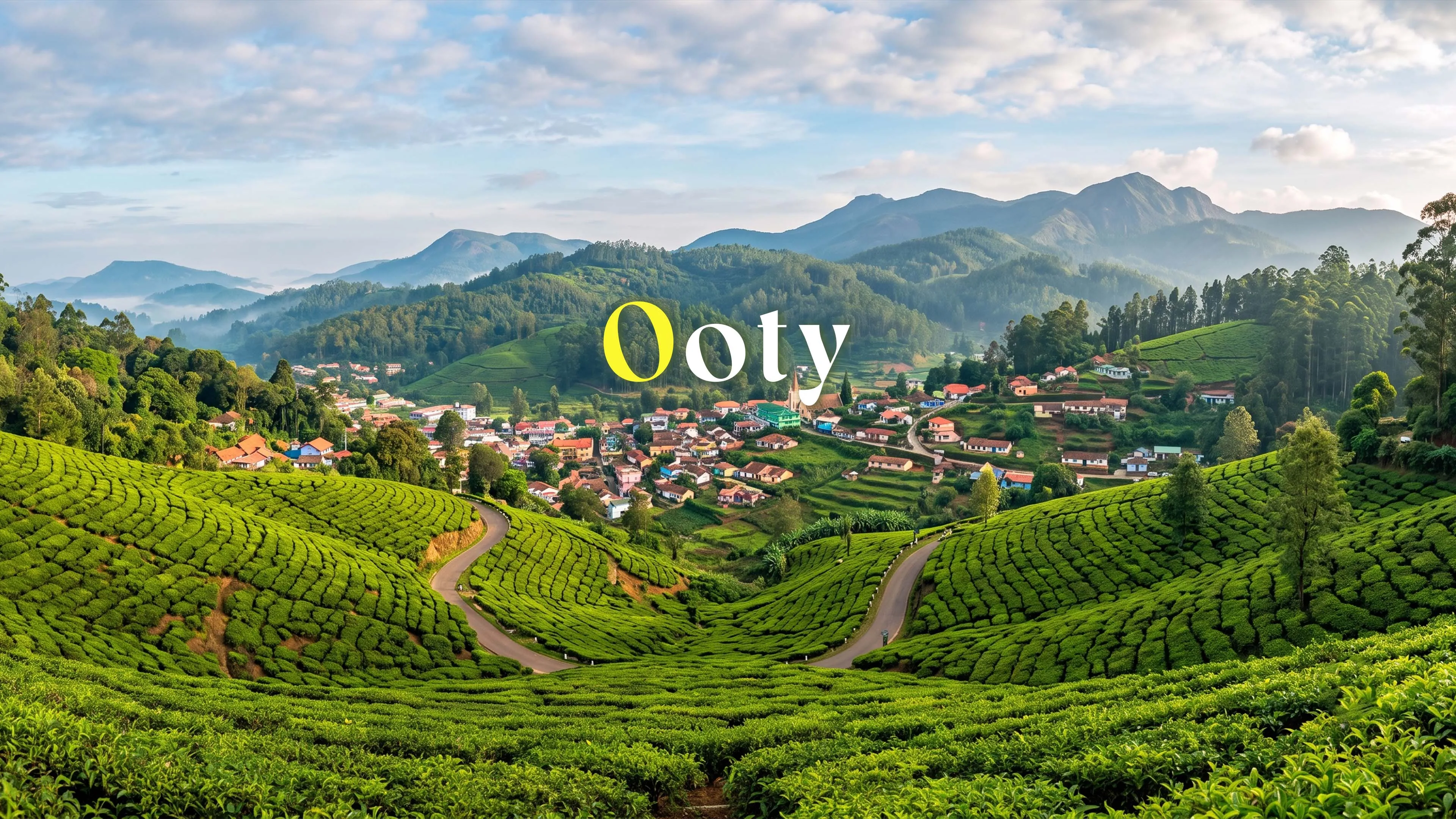
Ooty
Tucked away in the heart of the Nilgiri Hills, Ooty is one of South India's most enchanting hill stations. Officially known as ....Read More -
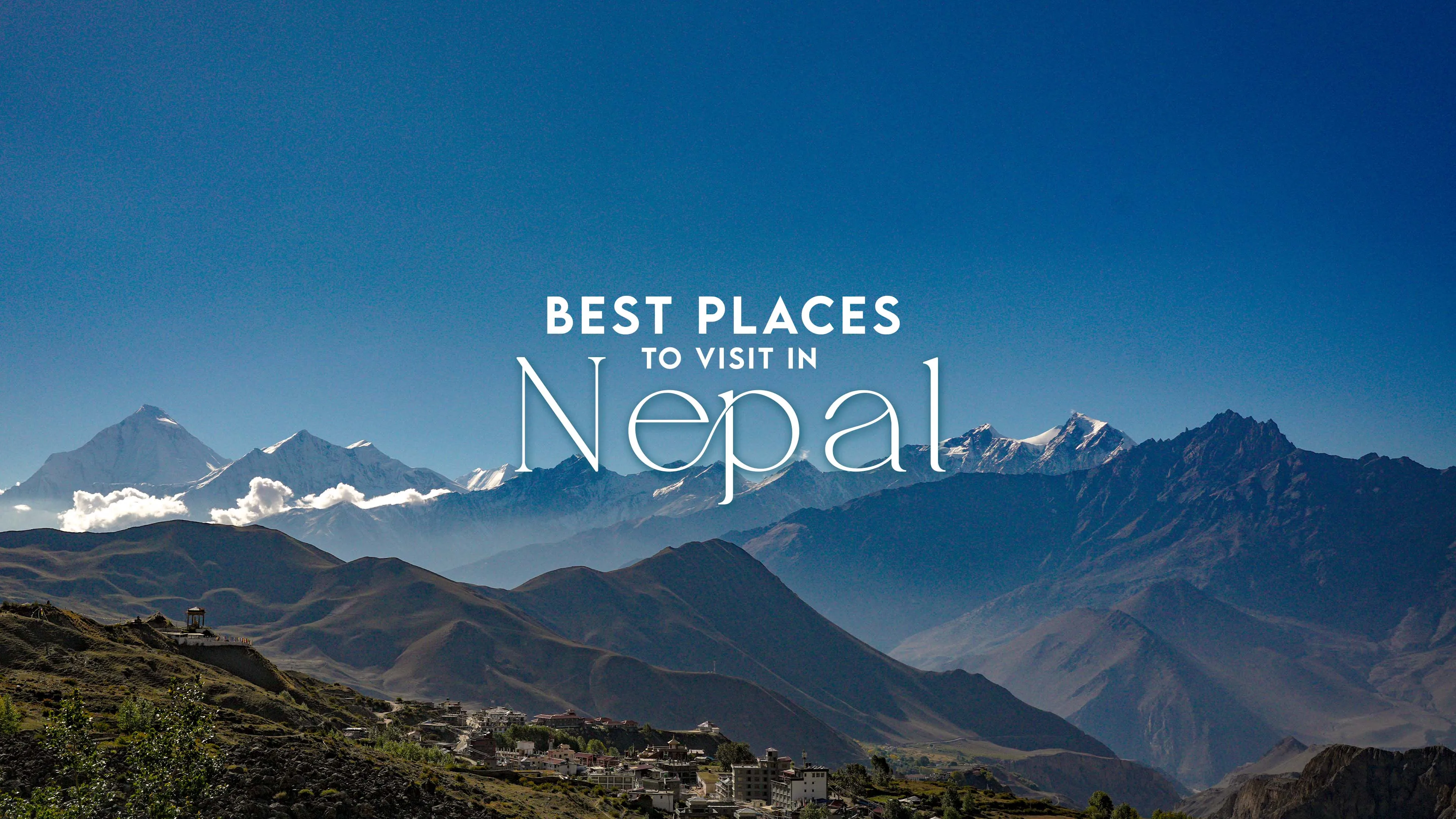
Best Places to Visit in Nepal
Nepal is a country where ancient traditions, spiritual landmarks, majestic mountains, and thrilling adventures come together to cr ....Read More -
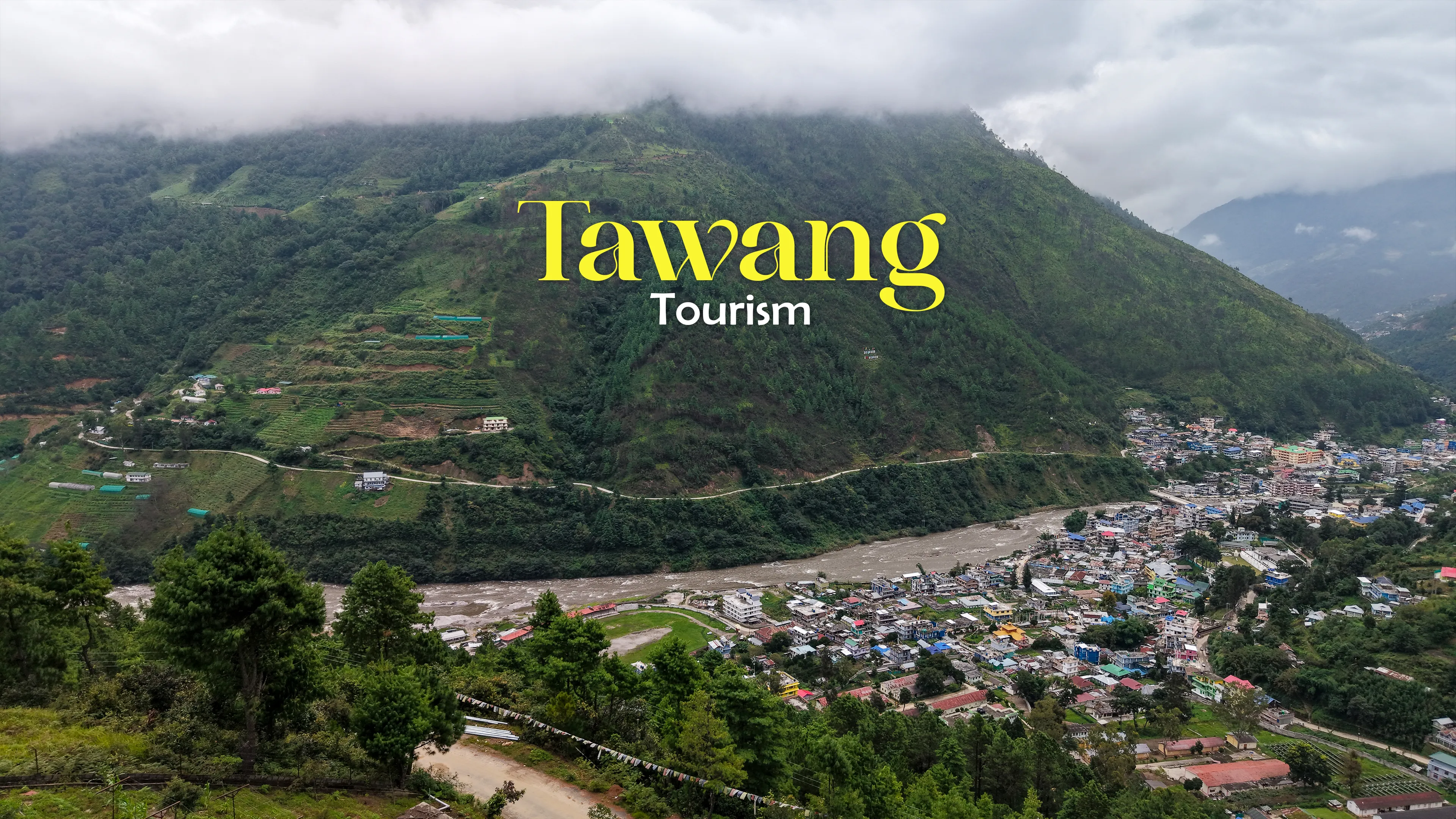
Tawang Tourism
Located at an altitude of over 10,000 feet in the Eastern Himalayas, Tawang is one of India's most spectacular mountain destin ....Read More