




Highest Road in the World
For adventure seekers and road-trip enthusiasts, the Himalayas offer some of the most thrilling riding experiences on Earth. Towering peaks, winding mountain roads, and breathtaking landscapes make this region home to many of the highest motorable roads in the world. These high-altitude passes not only connect remote valleys but also provide unforgettable journeys for travelers and riders planning a Himalayas Motorcycle Tour.
A Himalayas Motorcycle Tour is considered one of the ultimate adventures for biking enthusiasts, offering the chance to ride through dramatic landscapes, challenging terrains, and some of the highest roads on the planet. In this blog, we explore some of the most iconic and highest roads in the world, including Rohtang Pass, Umling La, Khardung La, Baralacha La, Rezang La, Zoji La, Sach Pass, Chang La, Kunzum La, and Lachung La.
1. Umling La
Standing at an astonishing 19,024 feet (5,799 meters) above sea level, Umling La in Ladakh currently holds the title of the highest motorable road in the world. Built by the Border Roads Organisation (BRO), this remarkable road connects the remote villages of Chisumle and Demchok near the Indo-China border.
Riding through Umling La is not just about reaching the highest point—it’s about experiencing the raw and untouched beauty of the high-altitude Himalayan desert. The route is surrounded by vast barren mountains, rugged terrain, and endless skies that make the journey feel almost otherworldly. Due to the extreme altitude and low oxygen levels, travelers often take it slow while enjoying the breathtaking views and the sense of achievement that comes with conquering one of the highest roads on Earth.
2. Khardung La
Located near Leh in Ladakh, Khardung La sits at an elevation of around 18,380 feet and is one of the most famous mountain passes in the Himalayas. For many years, it was widely believed to be the highest motorable road in the world, making it a legendary destination among bikers and road-trip enthusiasts.
The pass serves as the gateway to the Nubra Valley, a region known for its sand dunes, double-humped Bactrian camels, and picturesque villages. The drive to Khardung La takes travelers through winding mountain roads, dramatic landscapes, and snow-covered peaks. At the summit, colorful prayer flags flutter in the wind while visitors stop to capture photos and celebrate reaching one of the most iconic Himalayan passes.
3. Chang La
Chang La, situated at 17,688 feet, is another spectacular high-altitude pass in Ladakh. It lies on the route connecting Leh to the famous Pangong Lake, making it an essential stop for travelers exploring this region of the Himalayas.
The journey to Chang La is both thrilling and scenic, with sharp bends, steep climbs, and panoramic mountain views along the way. Snow often blankets the surrounding peaks, while colorful Buddhist prayer flags add vibrant touches to the rugged landscape. At the top of the pass, travelers often pause to admire the breathtaking scenery and experience the unique atmosphere of one of Ladakh’s highest roads.
4. Rohtang Pass
Located in Himachal Pradesh at about 13,050 feet, Rohtang Pass connects the Kullu Valley with Lahaul and Spiti Valley. The pass has long been one of the most popular high-altitude travel routes in India, attracting tourists, riders, and adventure enthusiasts because of its breathtaking landscapes and thrilling mountain roads.
However, Rohtang Pass often gets closed during the winter months due to heavy snowfall, making travel between Manali and Lahaul difficult. To solve this problem, the Atal Tunnel, a recently built engineering marvel, was constructed beneath the Rohtang Pass.
Stretching 9.02 kilometers, the Atal Tunnel connects Manali directly with Lahaul Valley, reducing travel distance by around 46 kilometers and saving several hours of travel time. When Rohtang Pass is closed—especially during harsh winters—travelers can conveniently use the Atal Tunnel to reach Lahaul-Spiti while avoiding extreme weather conditions.
5. Baralacha La
Baralacha La, located at an elevation of around 16,040 feet, is one of the most important high-altitude passes on the famous Manali–Leh Highway. The pass is unique because it acts as a meeting point for several Himalayan routes connecting Lahaul, Ladakh, and Zanskar.
The journey across Baralacha La is surrounded by dramatic landscapes featuring snow-capped peaks, glaciers, and vast mountain valleys. The region is also home to Suraj Tal, one of the highest lakes in India, which adds to the natural beauty of the route. Because of its remote location and high altitude, crossing Baralacha La feels like traveling through one of the most untouched parts of the Himalayas.
6. Zoji La
Zoji La is a historic mountain pass that connects the Kashmir Valley with Ladakh, making it one of the most strategically important roads in northern India. Situated at around 11,575 feet, this pass serves as a vital transportation route for both civilians and the Indian Army.
Despite its relatively lower altitude compared to other Himalayan passes, Zoji La is known for its narrow roads, steep cliffs, and unpredictable weather conditions. The drive across the pass is both thrilling and challenging, offering spectacular views of snow-covered mountains and deep valleys. For travelers heading from Srinagar to Leh, crossing Zoji La is often considered one of the most memorable parts of the journey.
7. Sach Pass
Sach Pass, located in Himachal Pradesh at approximately 14,500 feet, connects the scenic Chamba Valley with the remote Pangi Valley. This high-altitude route is far less crowded than many other Himalayan passes, making it a favorite among adventure seekers.
The road to Sach Pass is known for its rugged terrain, sharp bends, waterfalls, and steep mountain slopes, which create both a challenging and exciting driving experience. Because of its difficult conditions and remote location, the pass is especially popular among experienced bikers and off-road enthusiasts looking for a true Himalayan adventure.
8. Kunzum La
Kunzum La, located at an altitude of 15,060 feet, connects the Kullu Valley with the remote and stunning Spiti Valley. This pass plays a crucial role in linking the lush green landscapes of Kullu with the stark and dramatic beauty of Spiti’s cold desert terrain.
At the top of Kunzum La lies the Kunzum Mata Temple, where travelers traditionally stop to seek blessings before continuing their journey. The pass offers breathtaking panoramic views of surrounding glaciers and towering Himalayan peaks, making it one of the most scenic and spiritually significant routes in the region.
9. Rezang La
Rezang La, located near the Indo-China border in Ladakh at an elevation of around 16,000 feet, holds a special place in Indian military history. The pass is famous for the Battle of Rezang La during the 1962 Indo-China war, where Indian soldiers displayed extraordinary bravery under extremely harsh conditions.
Today, Rezang La stands as both a strategic military route and a memorial site honoring the courage and sacrifice of the soldiers who fought there. Surrounded by stark mountain landscapes and high-altitude terrain, the area serves as a reminder of both the beauty and the strategic importance of the Himalayan frontier.
10. Lachung La
Lachung La is another impressive high-altitude mountain pass located on the Leh–Manali Highway, sitting at about 16,616 feet above sea level. The pass lies between the regions of Sarchu and Pang, forming part of one of the most spectacular road journeys in the Himalayas.
The landscape around Lachung La is characterized by vast barren mountains, dramatic rock formations, and sweeping high-altitude plateaus. Although it is less crowded than some other famous passes, the route offers travelers a peaceful yet awe-inspiring experience as they traverse one of the most scenic stretches of the Manali–Leh highway.
Why These Roads Are Special
Driving on these high-altitude passes is not just about reaching a destination—it’s about the journey itself. These roads offer:
-
Stunning Himalayan landscapes
-
Thrilling driving experiences
-
Unique high-altitude ecosystems
-
Cultural and historical significance
However, travelers must prepare for low oxygen levels, unpredictable weather, and challenging terrain when exploring these routes.
Conclusion
From the record-breaking heights of Umling La to the scenic beauty of Rohtang Pass and the Atal Tunnel, the Himalayas host some of the most spectacular roads in the world.
For travelers who love adventure, conquering these mountain passes is more than just a road trip—it’s a once-in-a-lifetime experience through the roof of the world.
If you’re planning your next adventure, these Himalayan passes should definitely be on your bucket list.
Highest Road in the World, Rohtang Pass, Umling La, Khardung La, Atal Tunnel, Baralacha La, Rezang La, Zoji La, Sach Pass, Chang La, Kunzum La, Lachung La, The Dream Riders Group, Himalayas Motorcycle Tour
Frequently Asked
Questions
01 Which is the highest motorable road in the world?
The highest motorable road in the world is Umling La Pass in Ladakh, India. It stands at an altitude of 19,024 feet (5,799 meters) above sea level and was built by the Border Roads Organisation (BRO). The pass connects the remote villages of Chisumle and Demchok near the Indo-China border.
02 Which are the most famous high mountain passes in the Himalayas?
Some of the most famous high-altitude passes in the Himalayas include Umling La, Khardung La, Chang La, Rohtang Pass, Baralacha La, Zoji La, Sach Pass, Kunzum La, Rezang La, and Lachung La. These passes are popular among travelers, bikers, and adventure enthusiasts exploring the Himalayan region
03 Is a permit required to visit these high-altitude passes?
Visiting high-altitude passes such as Umling La, Khardung La, and Chang La require an Inner Line Permit (ILP) for Indian travelers and Protected Area Permit(PAP) for Non Indian National Travelers.
04 What precautions should travelers take while visiting high-altitude passes?
Travelers should take several precautions when visiting high-altitude areas, including:
-
Acclimatizing properly to avoid altitude sickness
-
Staying hydrated
-
Driving carefully on steep and narrow roads
-
Checking weather and road conditions before traveling
-
Carrying essential supplies and warm clothing
05 What is the best time to visit the Himalayan mountain passes?
The best time to visit most Himalayan passes is between May and September. During this period, the snow has mostly melted and the roads are open for travelers. Many passes remain closed in winter due to heavy snowfall and extreme weather conditions.
Popular Post
-
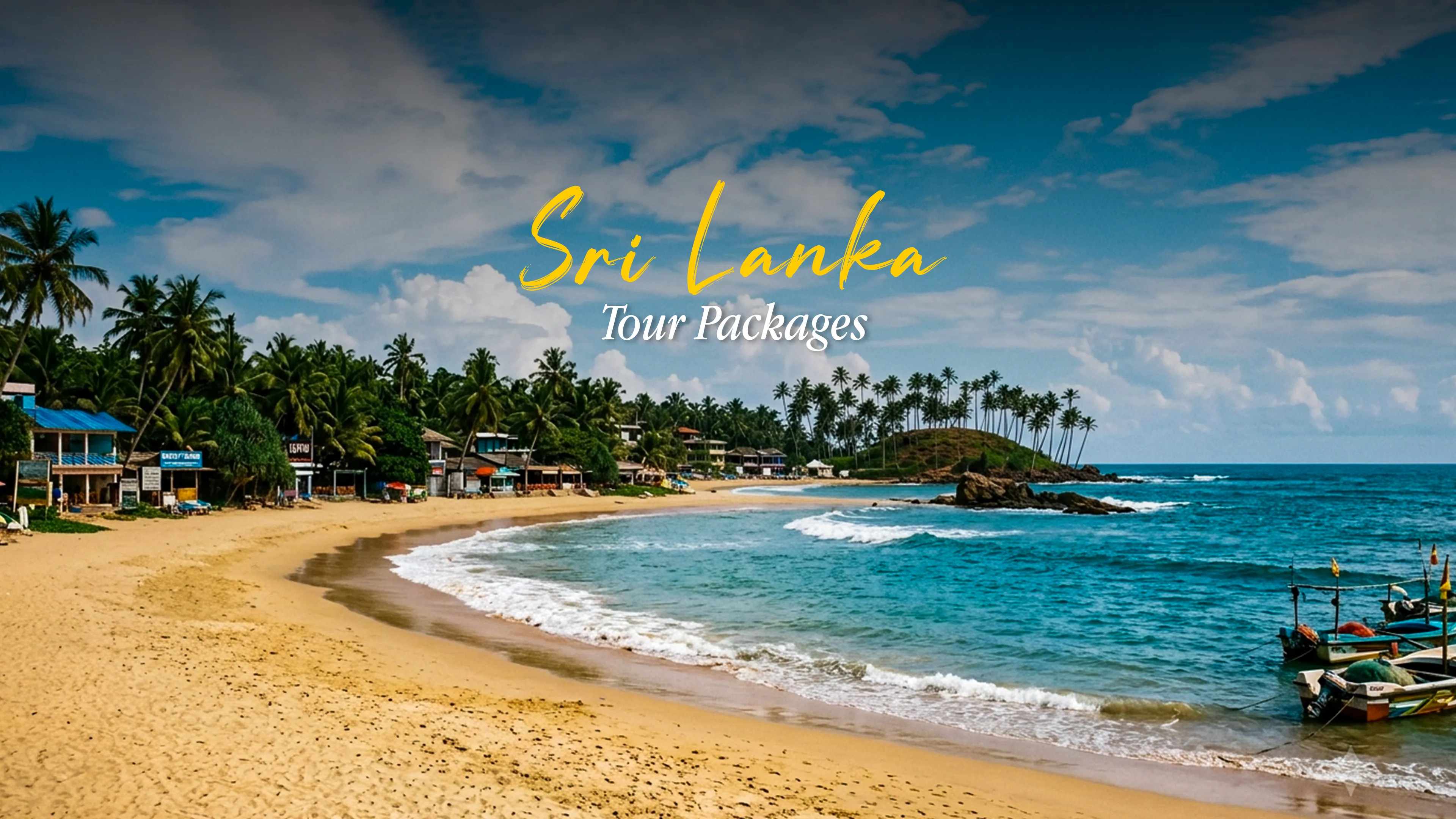
Sri Lanka tour packages
Sri Lanka is a destination that offers an incredible mix of tropical beaches, lush mountains, ancient heritage sites, vibrant cult ....Read More -
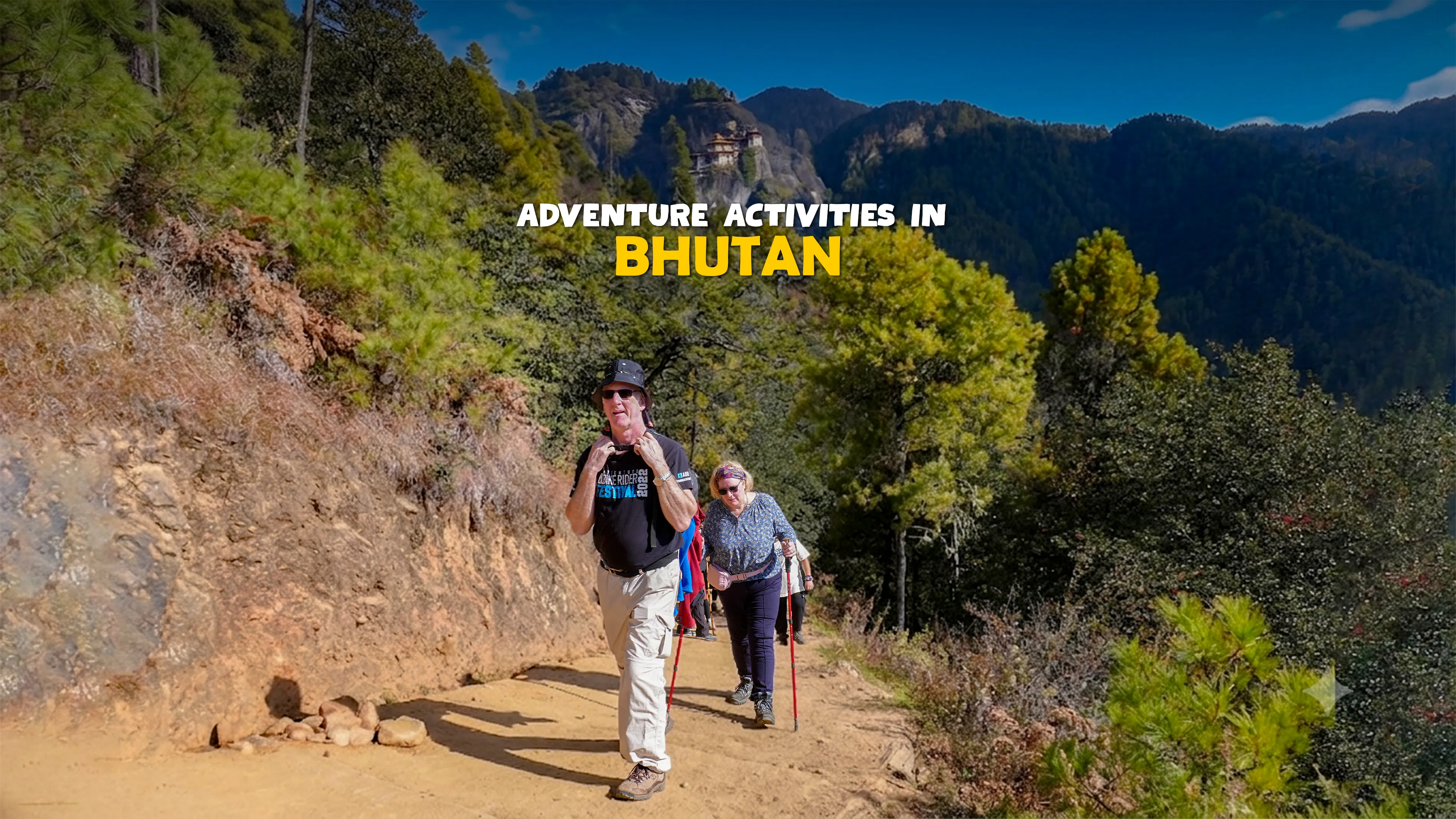
Adventure Activities in Bhutan
Bhutan is often known for its peaceful monasteries, breathtaking Himalayan landscapes, and rich Buddhist culture. However, beyond ....Read More -
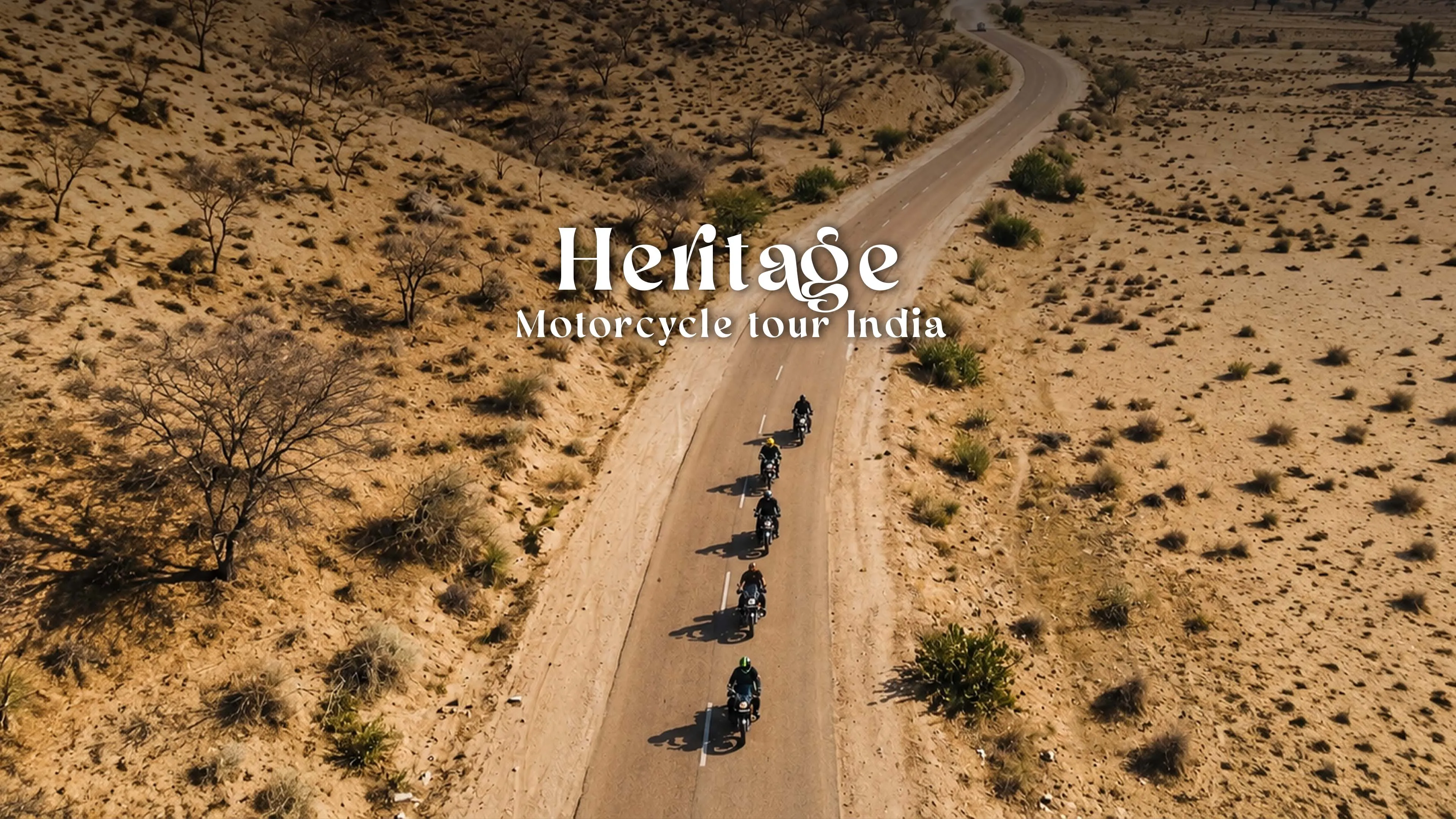
Heritage Motorcycle Tour India
India is a land where every road tells a story. Ancient forts stand proudly on hilltops, colorful bazaars echo centuries-old tradi ....Read More -
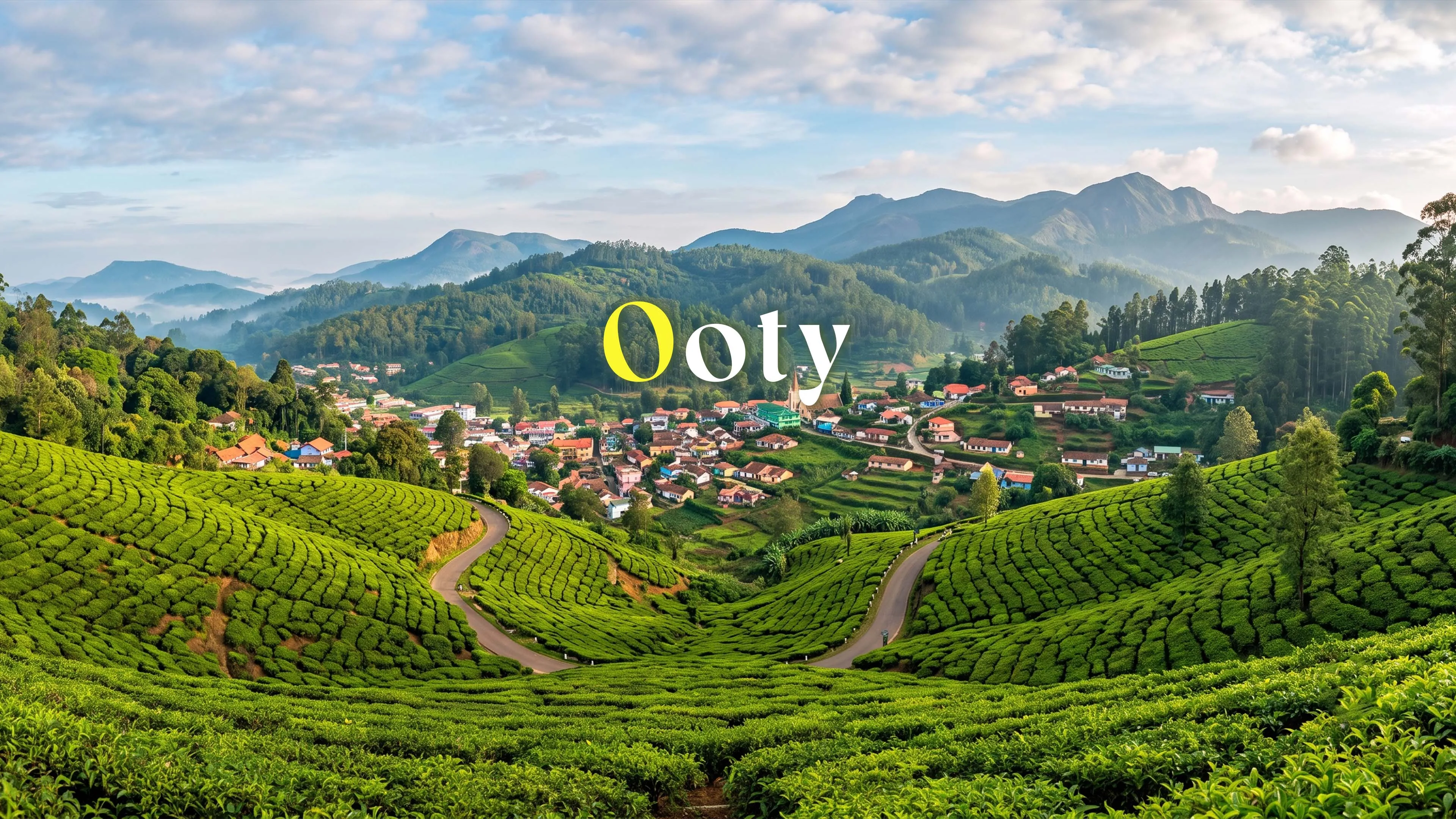
Ooty
Tucked away in the heart of the Nilgiri Hills, Ooty is one of South India's most enchanting hill stations. Officially known as ....Read More -
Best Places to Visit in Nepal
Nepal is a country where ancient traditions, spiritual landmarks, majestic mountains, and thrilling adventures come together to cr ....Read More -
Tawang Tourism
Located at an altitude of over 10,000 feet in the Eastern Himalayas, Tawang is one of India's most spectacular mountain destin ....Read More