



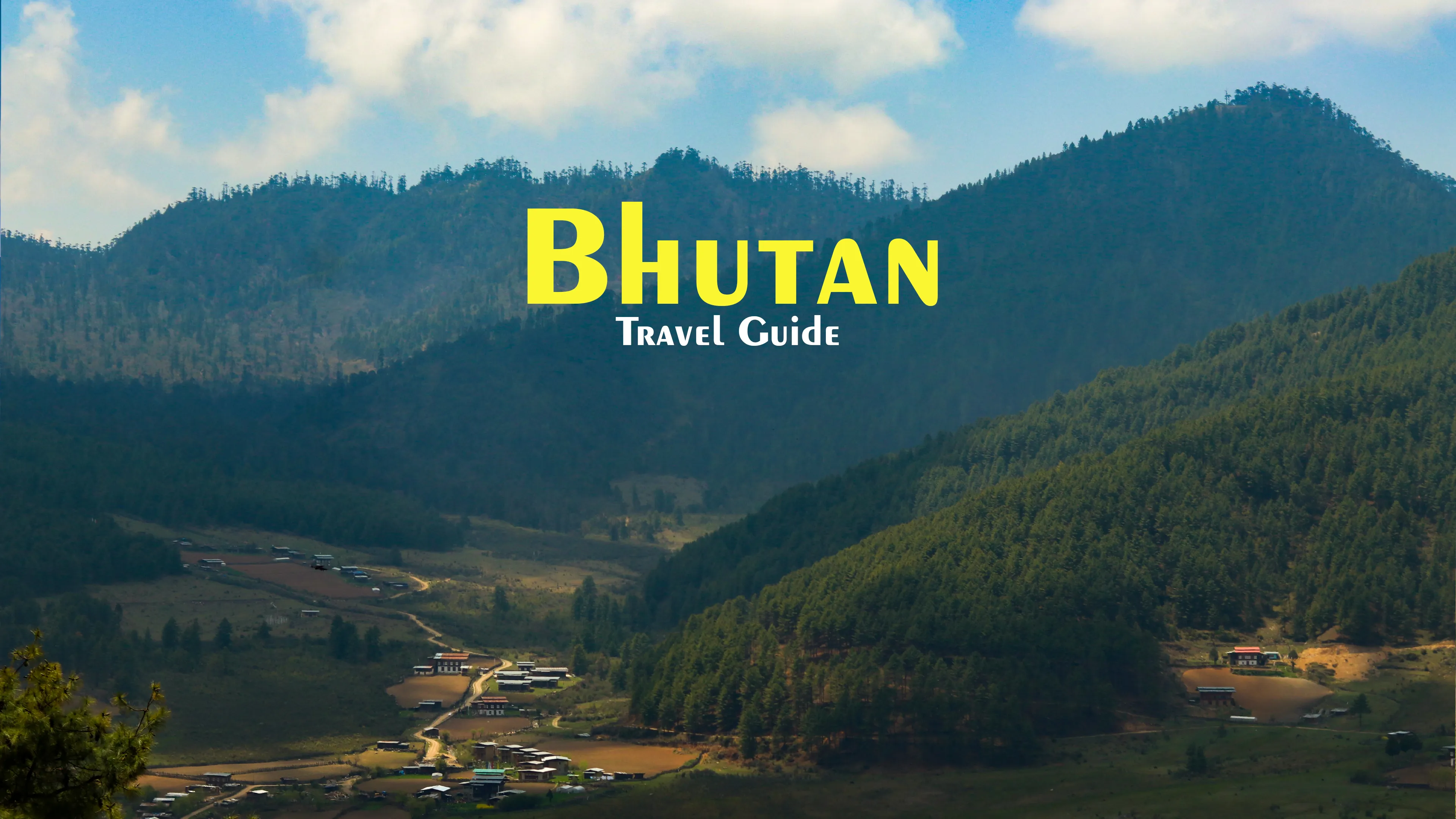
Bhutan Travel Guide
Bhutan, popularly known as the Land of the Thunder Dragon, is one of the most fascinating destinations in the Eastern Himalayas. Located between India and China, this beautiful Himalayan kingdom is known for its snow-covered mountains, peaceful monasteries, green valleys, colourful festivals and distinctive cultural heritage. Unlike destinations focused only on sightseeing, Bhutan offers travellers an opportunity to experience a different way of life, where traditional values, spirituality and environmental conservation remain important.
Whether you are interested in exploring ancient monasteries, discovering local traditions, enjoying scenic mountain roads or planning a motorcycle adventure, Bhutan offers experiences for different types of travellers. With carefully planned Bhutan Tour Packages, visitors can discover the country's historical landmarks, natural beauty and cultural traditions while enjoying a memorable journey.
This Bhutan Travel Guide explains the country's history, culture, famous attractions, traditional food, festivals, best time to visit and essential travel information to help you plan your trip.
History of Bhutan
Bhutan has a rich history shaped by Himalayan geography, Buddhist philosophy and the development of a distinctive national identity. Archaeological findings indicate that people inhabited the region thousands of years ago, while recorded history is closely associated with the arrival and spread of Buddhism.
In the 8th century, the Buddhist spiritual master Guru Padmasambhava, also known as Guru Rinpoche, visited Bhutan and played an important role in establishing Vajrayana Buddhism in the region. His teachings influenced Bhutanese religious practices, monasteries, sacred sites and cultural traditions. Today, Guru Rinpoche remains one of the most respected spiritual figures in Bhutan.
During the 17th century, Zhabdrung Ngawang Namgyal unified different regions and established important foundations for Bhutan's political and religious institutions. The dzongs, or fortified monasteries and administrative centres, developed during this period and remain important symbols of Bhutanese identity.
Bhutan established its hereditary monarchy in 1907 under King Ugyen Wangchuck. In 2008, the country transitioned to a democratic constitutional monarchy, combining its traditional institutions with modern democratic governance.
Tourism officially began in Bhutan in 1974. Since then, the country has gradually welcomed international visitors while emphasising the protection of its natural environment, cultural heritage and local communities.
Understanding this history helps visitors appreciate why Bhutan's monasteries, architecture, festivals and customs continue to play such an important role in everyday life.
Bhutanese Culture and Traditions
Bhutanese culture is deeply influenced by Buddhism, community relationships, traditional arts and respect for nature. Although the country is geographically small, its communities have diverse languages, regional customs, clothing styles and cultural practices.
Traditional Clothing
Traditional Bhutanese clothing is an important part of the country's cultural identity.
-
Gho: A knee-length traditional robe commonly worn by Bhutanese men.
-
Kira: A long, wrapped traditional dress worn by Bhutanese women.
-
Kabney and Rachu: Formal scarves worn on particular occasions, with colours and styles reflecting specific roles or status.
Visitors may see people wearing traditional clothing in government offices, schools, festivals and cultural gatherings.
Architecture and Dzongs
Bhutanese architecture is recognised for its whitewashed walls, wooden windows, decorative paintings and traditional roofs. Dzongs combine religious and administrative functions, reflecting the close historical relationship between spiritual institutions and governance.
Paro Dzong, Punakha Dzong and Trongsa Dzong are notable examples. These buildings are not simply tourist attractions; they remain important centres of religious ceremonies, administration and community life.
Traditional Arts and Crafts
Bhutan preserves thirteen traditional arts and crafts, collectively known as Zorig Chusum. These include weaving, painting, wood carving, sculpture, embroidery, blacksmithing and paper-making.
Visitors can explore museums, craft centres and local markets to learn about these practices and purchase locally produced souvenirs. Supporting local artisans also helps preserve traditional skills for future generations.
Religion and Spirituality in Bhutan
Buddhism is central to Bhutan's cultural heritage and influences its architecture, festivals, daily rituals and approach to life. Monasteries, prayer wheels, prayer flags and chortens are common sights throughout the country.
Bhutanese Buddhism is predominantly associated with the Vajrayana tradition. Monks and spiritual teachers play important roles in religious ceremonies, while many families maintain household shrines and participate in local religious events.
Prayer flags are among the most recognisable symbols of Bhutan. Traditionally printed with prayers and auspicious symbols, they are placed in mountain passes, near monasteries and across valleys. Their presence reflects the country's spiritual relationship with the natural environment.
Visitors should respect religious customs when entering monasteries and sacred places. Dress modestly, remove shoes where required, follow photography instructions and avoid touching sacred objects without permission.
The famous Tiger's Nest Monastery, perched on a cliff above the Paro Valley, is one of the most remarkable examples of Bhutan's spiritual heritage. Reaching it requires a hike, but the monastery's dramatic location and religious significance make it a memorable experience.
Best Places to Visit in Bhutan
Bhutan offers a combination of historic towns, sacred landmarks, mountain passes, traditional villages and beautiful valleys. The following destinations are particularly worthwhile for first-time visitors.
Paro: Gateway to Bhutan
Paro is home to Bhutan's international airport and several important cultural attractions. The town combines traditional architecture, mountain scenery and historic landmarks.
Highlights include Tiger's Nest Monastery, Paro Dzong and the National Museum of Bhutan. The surrounding valley is also ideal for photography, leisurely walks and learning about traditional Bhutanese life.
Thimphu: The Capital City
Thimphu blends Bhutanese traditions with modern urban life. It is the country's capital and an excellent place to explore local markets, museums, religious landmarks and traditional crafts.
Popular attractions include the Buddha Dordenma statue, Tashichho Dzong, the National Memorial Chorten and the weekend market. Visitors can also experience Bhutanese cuisine and observe how traditional values coexist with contemporary lifestyles.
Punakha: Valleys and Historic Architecture
Punakha is known for its warmer climate, fertile valleys and impressive riverside scenery. Punakha Dzong, located near the meeting point of the Pho Chhu and Mo Chhu rivers, is one of the country's most celebrated architectural landmarks.
The region also offers suspension bridges, village walks and opportunities to explore rural landscapes.
Phobjikha Valley: Nature and Tranquillity
Phobjikha Valley is a scenic destination surrounded by hills and open landscapes. It is especially famous as a winter habitat for endangered black-necked cranes that migrate from the Tibetan Plateau.
The Gangtey Monastery and nearby villages offer opportunities to learn about local traditions and experience a quieter side of Bhutan.
Dochula Pass: Himalayan Views
Dochula Pass is known for its collection of 108 memorial chortens and panoramic mountain views in favourable weather. The winding road, prayer flags and surrounding forests make it a memorable stop between Thimphu and Punakha.
Bumthang: The Spiritual Heartland
Bumthang is a region of valleys, villages, monasteries and important religious sites. Its historic temples and traditional settlements offer a deeper understanding of Bhutanese spirituality and rural culture.
For travellers with additional time, Bumthang provides a rewarding opportunity to explore areas beyond the country's main tourist circuit.
Bhutan's Famous Festivals
Festivals, commonly known as tshechus, are among the most colourful expressions of Bhutanese culture. They are usually associated with Buddhist monasteries and commemorate important religious events.
During a tshechu, monks and trained performers present traditional masked dances, known as cham. These performances communicate religious stories, teachings and symbolic representations of the struggle between wisdom and ignorance.
Some well-known festivals include:
-
Paro Tshechu: A major religious festival featuring masked dances and traditional ceremonies.
-
Thimphu Tshechu: A popular event that brings together local communities and visitors.
-
Punakha Drubchen and Tshechu: Celebrations associated with the region's religious heritage and historical traditions.
-
Jambay Lhakhang Drup: A traditional festival held in Bumthang, known for its distinctive ritual performances.
Festival dates follow the Bhutanese lunar calendar and change each year. Travellers should check the official schedule before booking accommodation and transport.
Attending a festival allows visitors to observe Bhutan's living traditions, but it is important to behave respectfully and follow local instructions, particularly during religious ceremonies.
Traditional Bhutanese Food You Should Try
Food is another important part of Bhutanese culture. Bhutanese cuisine is known for its use of chillies, cheese, rice, vegetables and locally available ingredients.
Some traditional dishes worth trying include:
-
Ema Datshi: A famous dish made with chillies and cheese, often served with rice.
-
Kewa Datshi: A comforting preparation of potatoes and cheese.
-
Shakam Paa: A traditional dish made with dried beef and chillies.
-
Jasha Maru: A spicy chicken preparation commonly served with rice.
-
Momos: Dumplings available with different fillings, including vegetable and meat options.
-
Suja: Traditional Bhutanese butter tea, often enjoyed in homes and rural communities.
Many Bhutanese dishes can be spicy, so visitors who prefer milder food should inform the restaurant before ordering. Vegetarian travellers can also find rice, vegetable dishes, lentils and other suitable meals.
Exploring local cuisine is an excellent way to understand the country's food traditions and everyday lifestyle.
Best Time to Visit Bhutan
The best time to visit Bhutan is generally from September to June, depending on your travel preferences and the experiences you want to enjoy. During these months, travellers can explore ancient monasteries, traditional villages, scenic mountain passes, lush valleys and Bhutan's rich cultural heritage. Autumn and spring are particularly popular for sightseeing and outdoor activities, while winter offers peaceful landscapes and clear skies on many days.
September to November: Autumn Season
Autumn is one of the best times to explore Bhutan, with pleasant daytime conditions, beautiful mountain scenery and colourful cultural festivals. Visitors can discover Paro, Thimphu and Punakha while enjoying scenic drives through the Himalayan landscape. October and November are especially attractive for photography, cultural exploration and motorcycle touring.
December to February: Winter Season
Winter brings crisp air, sunny days in many valleys and cold nights, with snowfall possible at higher elevations. It is a good time to explore Bhutan's monasteries, traditional architecture and cultural landmarks at a relaxed pace. Travellers should carry warm clothing and check mountain road conditions before travelling.
March to May: Spring Season
Spring transforms Bhutan's valleys and hillsides with blooming flowers, green landscapes and generally favourable conditions for sightseeing. It is an excellent season for visiting Tiger's Nest Monastery, exploring Punakha Dzong and enjoying scenic Himalayan road journeys. Spring also offers opportunities to experience traditional festivals and local cultural events.
June: Early Summer
June brings warmer weather and increasingly green landscapes. The first part of the month can be suitable for cultural sightseeing and scenic travel, but monsoon rainfall may begin toward the end of June and affect road conditions and visibility. Travellers should monitor weather forecasts and keep their itineraries flexible.
Travel tip: For the clearest combination of scenery, cultural experiences and road travel, consider October, November, April or May. If you are planning a motorcycle adventure, check local weather and road conditions before departure, as Bhutan's climate varies significantly with altitude and region.
Bhutan Tour Packages: Choosing the Right Experience
Selecting suitable Bhutan Tour Packages depends on your available time, interests and preferred travel style.
Cultural and Heritage Tours
These tours focus on monasteries, dzongs, museums, traditional villages and religious landmarks. They are suitable for travellers who want to understand Bhutan's history and culture.
Nature and Scenic Tours
Nature-focused journeys include valleys, mountain viewpoints, forested roads and opportunities for hiking or wildlife observation. Phobjikha and Bumthang are worthwhile additions for travellers seeking quieter landscapes.
Adventure and Motorcycle Tours
For riders, a Bhutan Tour offers an opportunity to explore winding Himalayan roads, mountain passes, traditional settlements and scenic valleys on two wheels.
Motorcycle touring combines cultural discovery with the freedom of travelling through changing landscapes. Riders should select routes appropriate to their experience, prepare for variable weather and ensure their travel documents and vehicle arrangements meet current requirements.
At Dream Riders, travellers can explore Bhutan through guided motorcycle touring experiences designed around Himalayan roads, local culture and scenic destinations. When comparing tour options, look at group size, accommodation, support arrangements, inclusions and the experience of the operating team rather than choosing an itinerary based on price alone.
Essential Bhutan Travel Tips
Before planning your Bhutan Travel experience, keep the following practical points in mind.
Documents and entry requirements: Indian nationals generally require an entry permit, while most other international visitors require a visa. Requirements depend on nationality and should be confirmed through official Bhutan tourism channels before departure.
Sustainable Development Fee (SDF): Bhutan charges a Sustainable Development Fee, with rates and concessions depending on nationality and age. Confirm the applicable amount and any relevant exemptions before travelling.
Transport and guides: Bhutan can be explored by road, air, motorcycle and other transport options. A certified guide is mandatory for visitors under the applicable tourism rules; check the current requirements for your itinerary and travel arrangements.
Currency and payments: The Bhutanese ngultrum is the local currency. Carry suitable payment options and check whether your cards will work before departure, particularly when travelling outside major towns.
Clothing and etiquette: Carry comfortable walking shoes, weather-appropriate layers and modest clothing for religious sites. Follow local guidance regarding photography and behaviour inside monasteries.
Responsible travel: Avoid littering, respect wildlife and local communities, and support locally owned businesses whenever possible.
Motorcycle preparation: Riders should check their licence and permit requirements, insurance, protective gear, luggage arrangements and motorcycle condition. Mountain roads require concentration, sensible speeds and flexibility when weather changes.
Because entry regulations, fees and road conditions can change, verify current information through official sources before finalising your trip.
Why Bhutan Is Worth Visiting
Bhutan offers more than beautiful landscapes. Its history, spiritual traditions, architecture, festivals and relationship with nature create a distinctive travel experience. From the dramatic cliffs of Tiger's Nest Monastery to the historic dzongs of Punakha, the lively streets of Thimphu and the peaceful landscapes of Phobjikha, every region offers something different.
For cultural travellers, Bhutan provides an opportunity to explore centuries-old traditions. For nature lovers, it offers forests, valleys and mountain scenery. For motorcycle enthusiasts, its winding roads provide a memorable way to discover the Himalayan landscape and experience local life along the route.
A well-planned journey allows visitors to explore at a comfortable pace, respect local customs and appreciate the country's unique character.
Book Your Bhutan Tour With Dream Riders
Bhutan is a destination where Himalayan beauty, cultural heritage and spiritual traditions come together. Its historic monasteries, traditional architecture, colourful festivals, distinctive cuisine and peaceful valleys make it a rewarding choice for travellers seeking meaningful experiences.
Whether you are planning a cultural holiday, a nature-focused escape or an exciting motorcycle journey, the right Bhutan Tour Packages can help you explore the kingdom according to your interests and available time.
With Dream Riders, discover Bhutan beyond the usual sightseeing stops and experience its mountain roads, cultural landmarks and local traditions through a thoughtfully planned Himalayan adventure.
Ready to explore Bhutan? Discover Bhutan tour options with Dream Riders and start planning your next Himalayan journey.
Frequently Asked
Questions
01 What are the best places to visit in Bhutan?
Some of the best places to visit in Bhutan include Paro, Thimphu, Punakha, Phobjikha Valley, Dochula Pass and Bumthang. Popular attractions include Tiger's Nest Monastery, Punakha Dzong, Buddha Dordenma and Gangtey Monastery.
02 Is Bhutan a good destination for a motorcycle tour?
Yes, Bhutan is an appealing destination for motorcycle enthusiasts because of its winding mountain roads, scenic valleys, traditional villages and Himalayan landscapes. Riders should check current entry requirements, road conditions, licence rules and motorcycle arrangements before planning their journey.
03 What is Bhutan famous for?
Bhutan is famous for its Himalayan scenery, Buddhist monasteries, traditional dzongs, colourful festivals, distinctive architecture and commitment to environmental conservation. It is also known as the Land of the Thunder Dragon.
04 What traditional food should you try in Bhutan?
Popular Bhutanese dishes include Ema Datshi, made with chillies and cheese; Kewa Datshi, prepared with potatoes and cheese; Jasha Maru, a spicy chicken dish; and traditional butter tea known as Suja. Visitors can also try momos and local rice dishes.
05 Do Indian citizens need a visa to visit Bhutan?
Indian citizens do not generally need a visa to visit Bhutan but must obtain the required entry permit and provide accepted travel documents. Additional requirements may apply depending on the itinerary. Travellers should confirm the latest rules through official Bhutanese authorities before departure.
Popular Post
-
Sri Lanka tour packages
Sri Lanka is a destination that offers an incredible mix of tropical beaches, lush mountains, ancient heritage sites, vibrant cult ....Read More -
Adventure Activities in Bhutan
Bhutan is often known for its peaceful monasteries, breathtaking Himalayan landscapes, and rich Buddhist culture. However, beyond ....Read More -
Heritage Motorcycle Tour India
India is a land where every road tells a story. Ancient forts stand proudly on hilltops, colorful bazaars echo centuries-old tradi ....Read More -
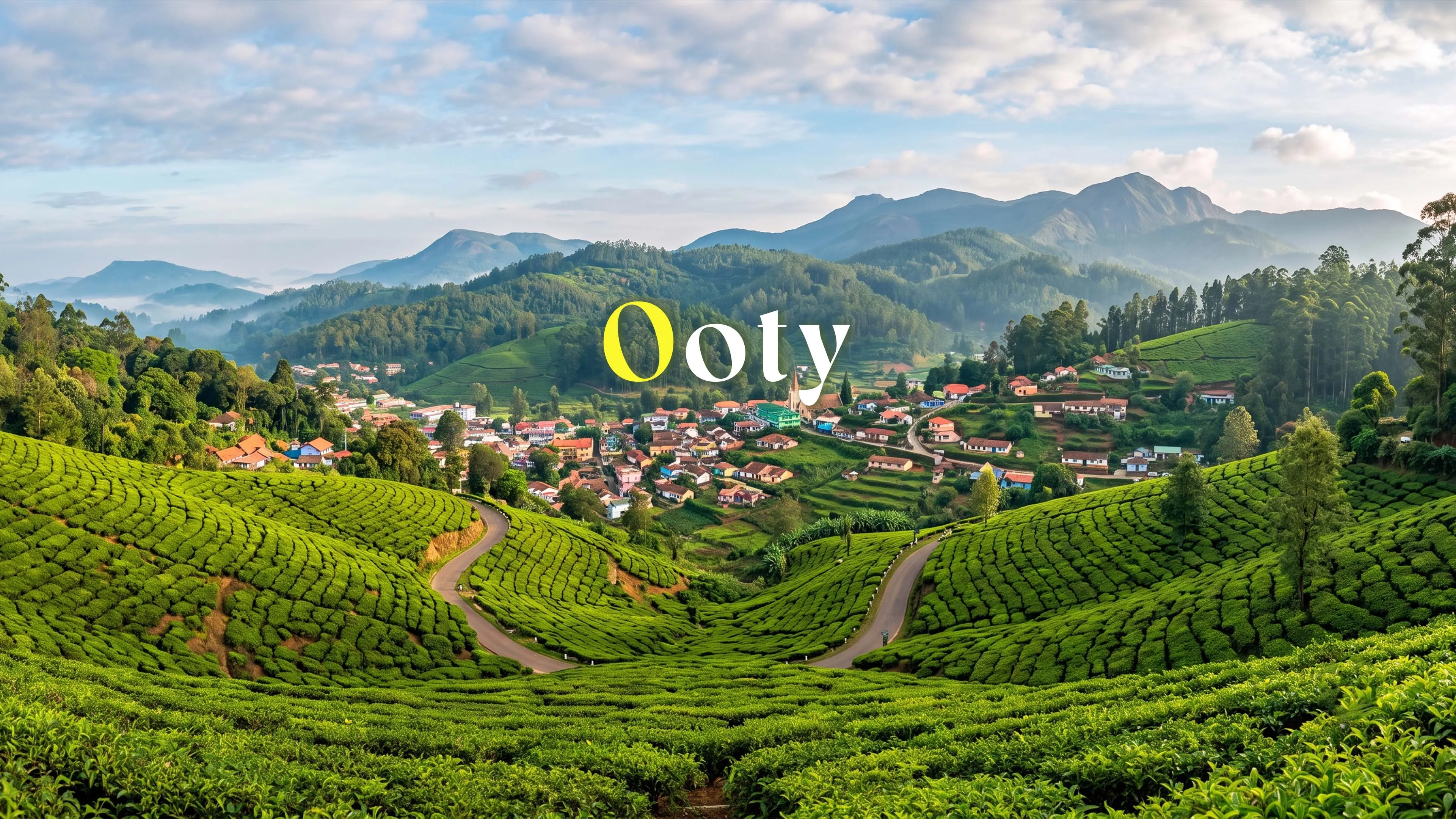
Ooty
Tucked away in the heart of the Nilgiri Hills, Ooty is one of South India's most enchanting hill stations. Officially known as ....Read More -
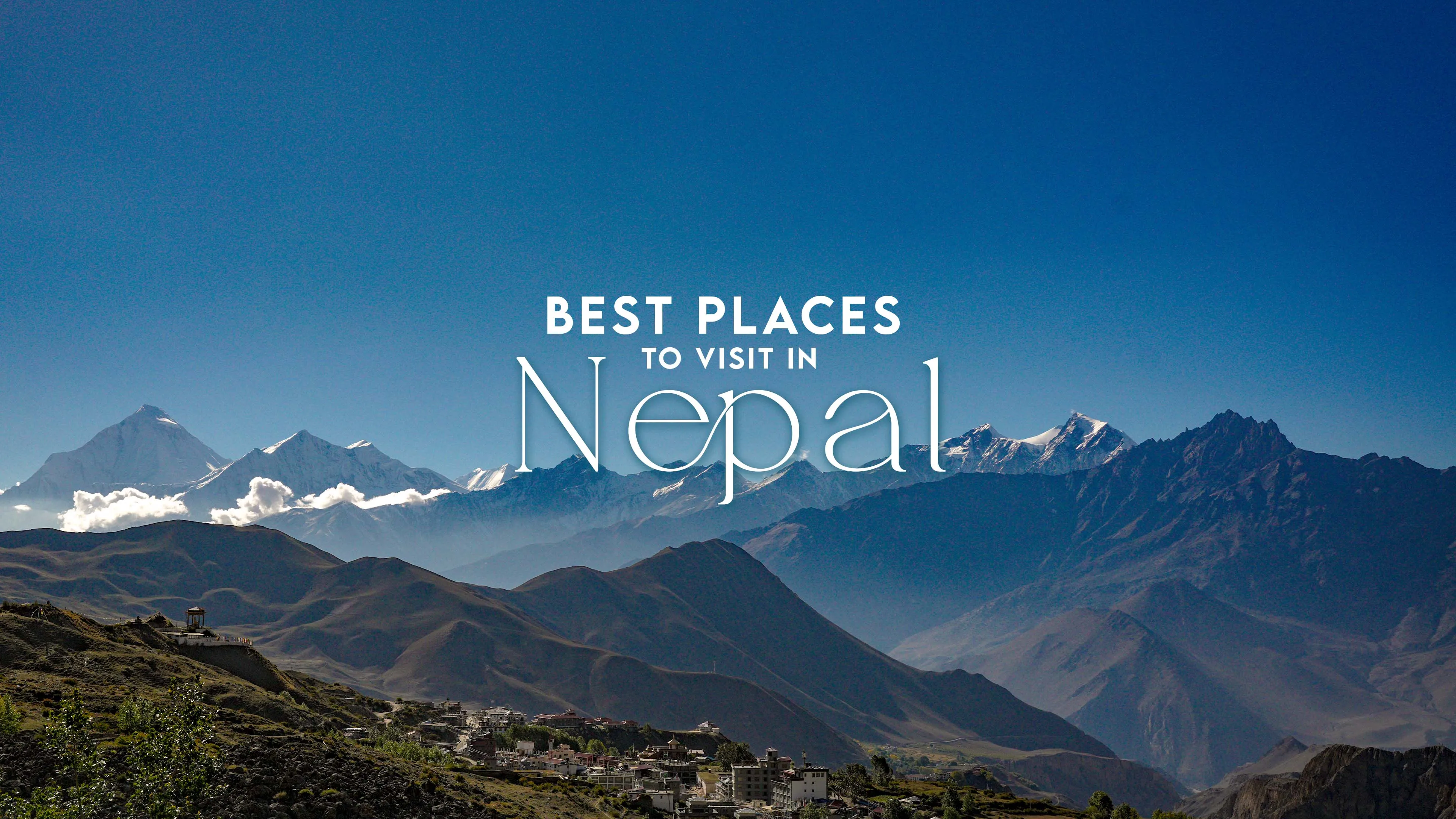
Best Places to Visit in Nepal
Nepal is a country where ancient traditions, spiritual landmarks, majestic mountains, and thrilling adventures come together to cr ....Read More -
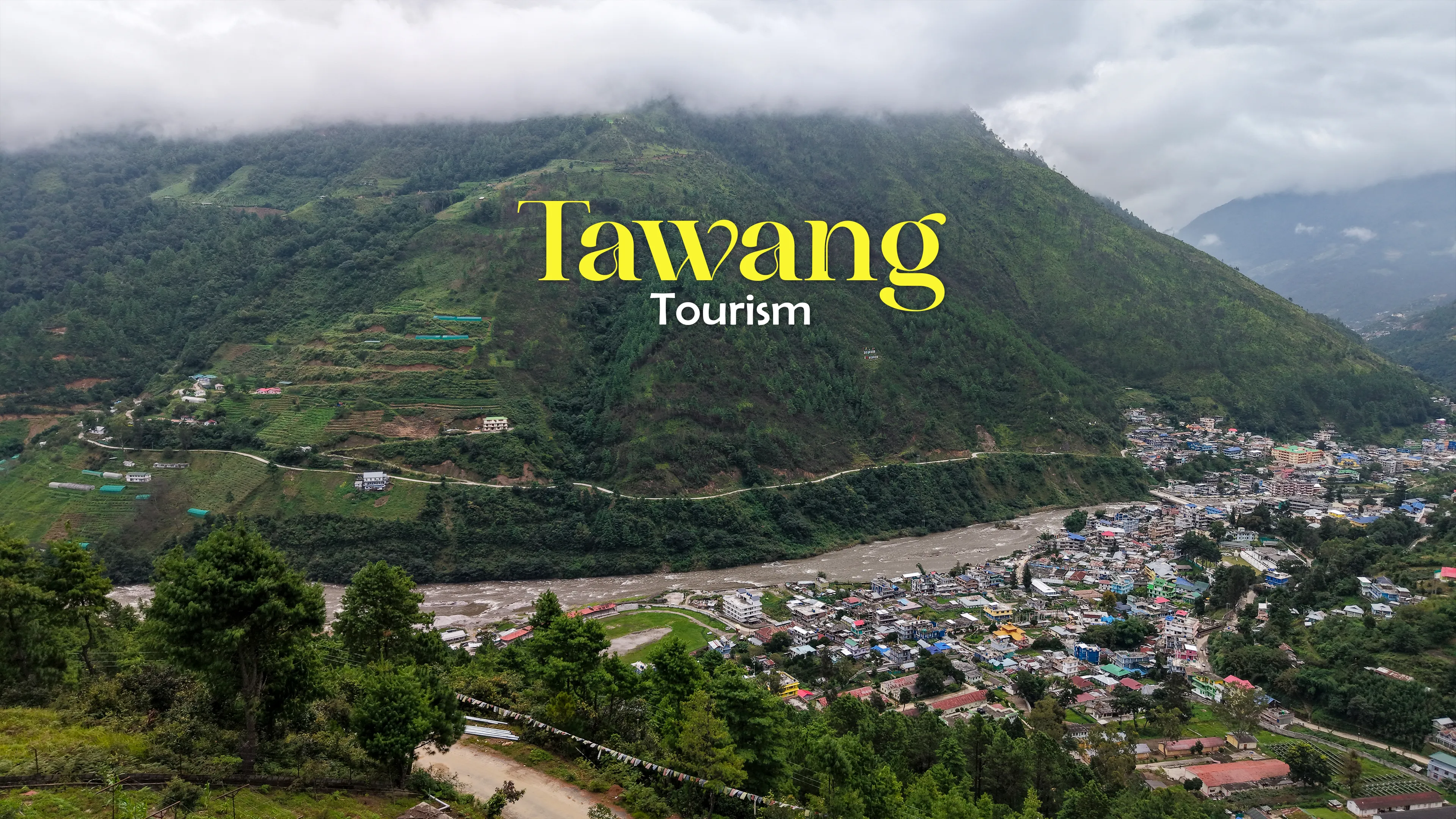
Tawang Tourism
Located at an altitude of over 10,000 feet in the Eastern Himalayas, Tawang is one of India's most spectacular mountain destin ....Read More