Back to All Guidelines
Official Dream Riders Expedition Protocol

Introduction

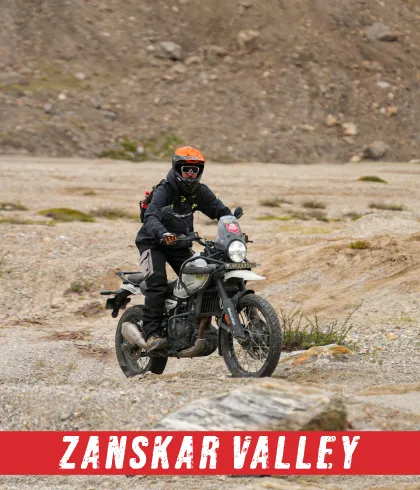
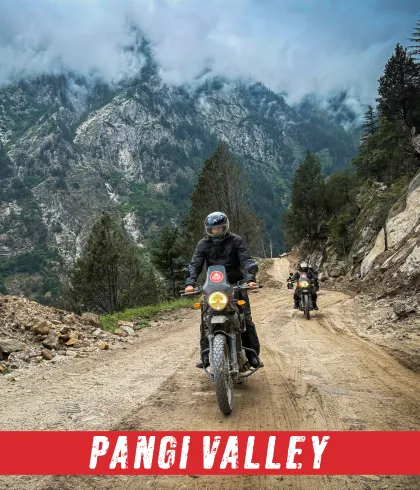
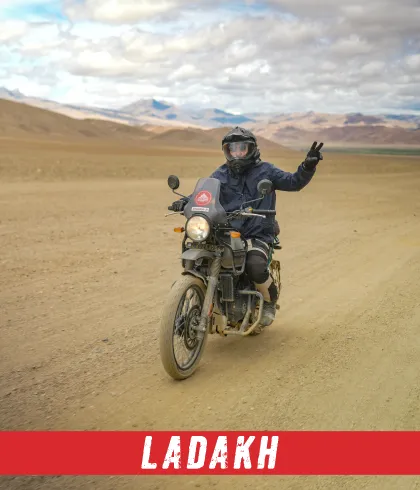
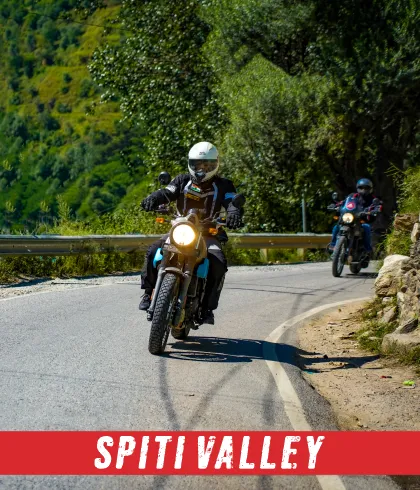
The Himalayas offer some of India’s most rewarding motorcycle journeys, from the high-altitude landscapes of Ladakh and the remote valleys of Zanskar to the rugged roads of Pangi and the dramatic terrain of Spiti Valley. A Himalayas Motorcycle Tour can take riders across high mountain passes, narrow roads, gravel sections, river crossings, remote villages and rapidly changing weather conditions. These routes demand preparation, patience and careful riding, particularly on isolated stretches where fuel, medical facilities and mobile connectivity can be limited.

Before starting your Himalayan ride, carry your valid driving licence, motorcycle documents, identification and all required permits. Wear proper protective gear and prepare for significant changes in temperature and altitude. Allow adequate time for acclimatisation, stay hydrated and follow the instructions of your Tour Manager and support team.

The Himalayas are also home to monasteries, temples, traditional villages, wildlife and fragile mountain ecosystems. Respecting local communities, cultural traditions and the natural environment is an essential part of responsible Himalayan travel.
Himalayas Travel Do’s

CRUCIAL DO'S
Check your motorcycle’s tyres, brakes, chain, lights, controls and fuel before every riding day, especially before entering remote sections with limited mechanical facilities.
Allow your body enough time to acclimatise to high altitude before riding to higher passes. Stay hydrated, avoid overexertion and inform the Tour Manager if you experience headache, dizziness, nausea or unusual fatigue.
Follow the Tour Manager, Ride Captain and support team's instructions during river crossings, high passes, rough sections, narrow roads and sudden weather changes.
Carry your valid driving licence, motorcycle documents, identification, permits and essential emergency contacts throughout the journey.
Respect monasteries, temples, villages and local communities by following local customs, photography guidelines, dress requirements and instructions at religious or culturally important places.
Give yourself adequate time to acclimatise before riding to higher elevations, particularly in Ladakh, Zanskar, Pangi and Spiti.
Keep the Himalayan environment clean by carrying your waste, avoiding unnecessary plastic, staying on designated routes and respecting wildlife, rivers, forests and fragile mountain landscapes.
Carry sufficient drinking water, warm layers, waterproof clothing, sun protection and essential personal medicines for changing mountain conditions.

Travel Don’ts

STRICT DON'TS
Do not attempt difficult river crossings, unstable roads or closed mountain sections without proper guidance. Water levels and road conditions can change quickly in remote Himalayan areas.
Do not ignore signs of altitude-related illness or continue riding when you feel unwell. Stop at a safe location and immediately inform the Tour Manager or support team.
Do not overtake recklessly or stop suddenly on blind bends, narrow mountain roads, bridges or sections with limited visibility. Use safe areas for photographs and breaks.
Do not enter restricted areas, protected zones, military-sensitive locations or closed routes without the required permission and guidance from local authorities or the tour team.
Do not litter, disturb wildlife, damage vegetation or leave markings on rocks, monasteries, bridges, monuments or other natural and cultural sites.