

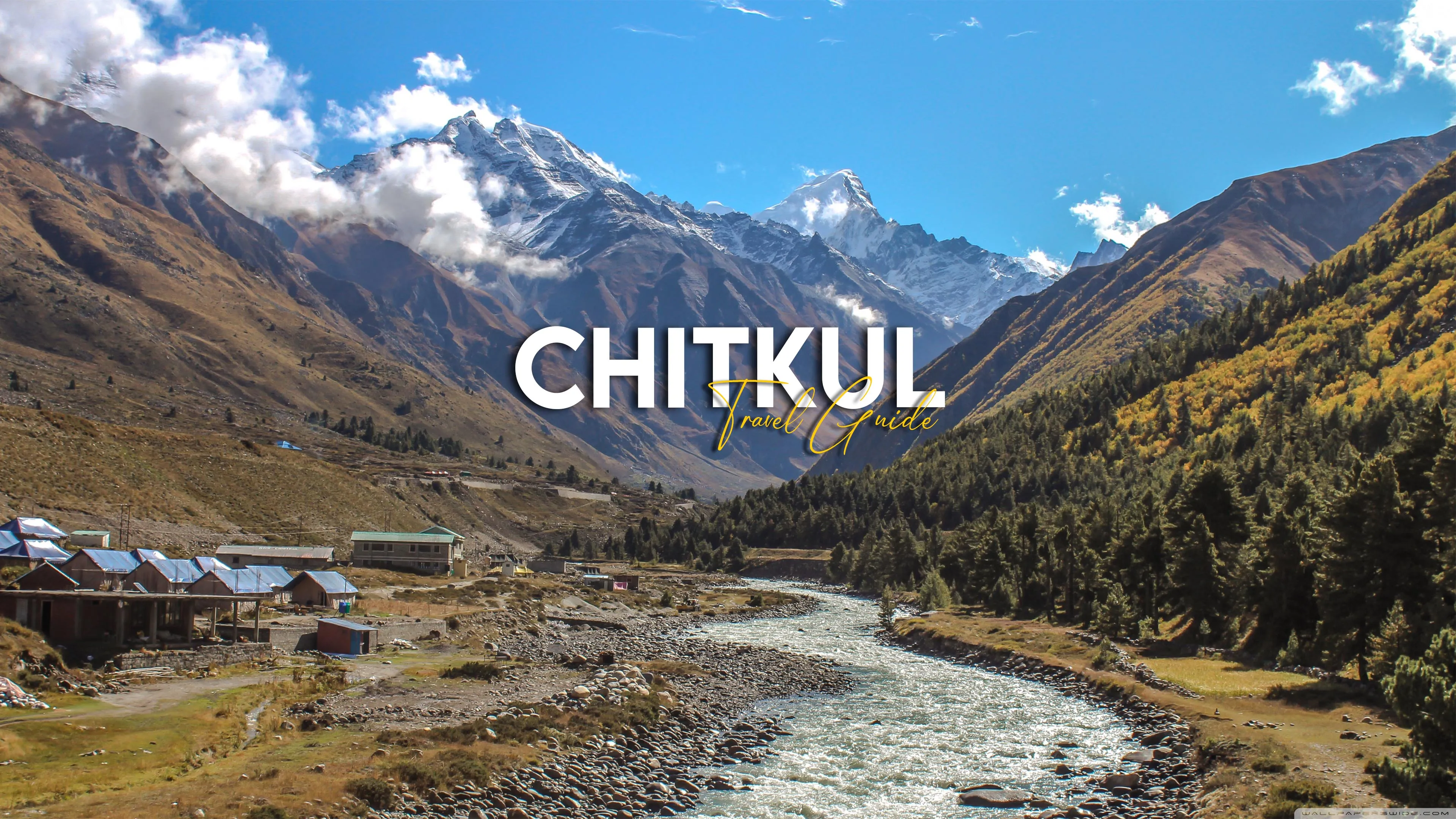
Chitkul Travel Guide
Tucked deep in the Baspa Valley of Himachal Pradesh, Chitkul is often referred to as the last inhabited village of India before the Indo-Tibetan border. Surrounded by snow-clad peaks, alpine meadows, and the gushing Baspa River, Chitkul feels raw, untouched, and beautifully isolated — exactly the kind of place that calls out to explorers, riders, and slow travellers.
When you ride with Dream Riders, Chitkul isn’t just a destination — it’s a reminder of why we ride, to reach places where roads fade and stories come alive. You can experience Chitkul as part of our Spiti Valley tour package, where this remote village blends seamlessly into a larger Himalayan journey filled with high-altitude roads, dramatic landscapes, and authentic mountain culture.
Where is Chitkul Located?
Chitkul, Himachal Pradesh, lies in the Kinnaur district at an altitude of approximately 3,450 meters (11,320 ft) above sea level. It sits close to the Indo-Tibet border and is the final village accessible to civilians on this route.
Unlike crowded hill stations, Chitkul offers silence, open landscapes, and a deep connection with nature — making it a perfect halt for riders exploring Himachal’s remote valleys.
Sangla to Chitkul Distance & Route
The Sangla to Chitkul distance is around 22–24 km, and the ride itself is nothing short of spectacular.
-
Route: Sangla → Rakcham → Chitkul
-
Travel Time: 1.5–2 hours (depending on road and weather conditions)
This stretch follows the Baspa River and treats riders to changing landscapes — from apple orchards to wide open valleys and finally snow-covered peaks. For motorcycle riders, this route offers smooth tarmac mixed with narrow mountain roads, making it scenic yet engaging.
Why Chitkul is Special
-
It is considered the last village of India on this side of the Indo-China border
-
Home to the unique Kinnauri culture and wooden architecture
-
Famous for its pristine air, starry nights, and untouched beauty
-
A place where life moves slowly — far away from noise and crowds
For adventure seekers, Chitkul represents purity — of land, culture, and experience.
Things to Do in Chitkul
If you’re wondering about the best things to do in Chitkul, here’s how to experience the village the Dream Riders way:
1. Ride to the Last Point of India
Take your bike to the final accessible road near the Indo-Tibet border. The feeling of standing at the edge of the country, surrounded by mountains, is unforgettable.
2. Walk Along the Baspa River
A peaceful stroll beside the icy blue Baspa River lets you soak in Chitkul’s calm beauty. It’s perfect for slow travel and reflection.
3. Experience Local Kinnauri Life
Interact with locals, observe traditional wooden houses, and understand how life thrives in such extreme conditions.
4. Visit Chitkul Mata Temple
A small yet culturally important temple that reflects the spiritual side of the village and local beliefs.
5. Stargazing & Night Photography
With minimal light pollution, Chitkul offers stunning night skies — ideal for astrophotography and quiet nights under the stars.
Best Time to Visit Chitkul
The best time to visit Chitkul is from June to September, when the village is fully accessible and at its most scenic. During these months, the snow has melted, roads are open, and the Baspa Valley comes alive with lush meadows and clear mountain views.
Why Chitkul with Dream Riders?
Chitkul is best experienced as part of a well-planned Himalayan journey — and that’s where Dream Riders come in. With experienced road captains, thoughtfully curated routes, and a focus on safety and authentic exploration, we ensure you don’t just visit Chitkul — you experience it.
Whether you’re riding through Kinnaur, exploring remote Himalayan villages, or ticking off bucket-list roads, Chitkul fits perfectly into a true adventure rider’s journey.
Final Thoughts
Chitkul, Himachal Pradesh, stands as a symbol of India’s untouched frontier — peaceful, powerful, and profoundly beautiful. From the scenic Sangla to Chitkul distance to the simple yet soul-stirring things to do in Chitkul, this village leaves a lasting mark on every traveller who reaches it.
Because some roads don’t just lead to destinations — They lead to stories worth riding for.
Chitkul, chitkul himachal pradesh, sangla to chitkul distance, things to do in chitkul, Spiti Valley tour package, the dream riders group
Frequently Asked
Questions
01 Why is Chitkul famous?
Chitkul is famous for being the last inhabited village of India near the Indo-Tibetan border. Located in Himachal Pradesh’s Baspa Valley, it is known for its untouched landscapes, snow-capped mountains, pristine rivers, and traditional Kinnauri culture. Its remote setting and peaceful environment make Chitkul a favourite among nature lovers, road-trip enthusiasts, and adventure riders.
02 Why is Chitkul called India's last village?
Chitkul is called India’s last village because it is the final village accessible to civilians on this route before the Indo-Tibet border. Beyond Chitkul, movement is restricted, and the road ends near the international boundary. This geographical position gives Chitkul its unique identity and symbolic importance.
03 What is the best time to visit Chitkul?
The best time to visit Chitkul is from June to September, when the roads are open and weather conditions are stable. During this period, temperatures remain pleasant, making it ideal for sightseeing, village walks, and motorcycle rides. Winter months experience heavy snowfall, which often cuts off road access.
04 Can we see the Milky Way in Chitkul?
Yes, the Milky Way can be seen in Chitkul on clear, moonless nights. Due to minimal light pollution and high altitude, Chitkul offers excellent conditions for stargazing and night photography, especially between June and September when skies are clearer.
05 What’s the Sangla to Chitkul distance?
The Sangla to Chitkul distance is approximately 22–23 km. The drive usually takes 1.5 to 2 hours, depending on road and weather conditions. This scenic route follows the Baspa River and is popular among travellers and riders for its stunning valley views.
Popular Post
-
From the USA to Himalayas: A Motorcycle Adventure
Every biker dreams of that one extraordinary ride — the kind that combines adventure, challenge, and breathtaking beauty. Fo ....Read More -

Best Time For Pangi Valley
If you're a rider yearning for untouched terrains, hairpin bends, and raw Himalayan beauty, the Pangi Valley Bike Ride is your ....Read More -

Complete Guide for Spiti Valley
“22 Tak padhai, 25 pe naukri, 26 pe chokri, 30 pe bacche, 60 pe retirement, aur phir?? Maut ka intezaar. Dhatt! Aisi ghisi p ....Read More -

Father-Son Ladakh Ride Story
For my son Aryan’s 19th birthday, I gifted him a life-defining motorcycle expedition through Ladakh. From sand and snow to m ....Read More -

Complete Guide For Foreign Riders In Himalayas
The Himalayas are not just mountains — they are an experience, a challenge, and a journey of a lifetime. For riders across t ....Read More -

A Complete Guide to Thiksey Monastery Ladakh
If you're planning a bike trip to Ladakh, you're not just signing up for adventure—you're signing up for a journ ....Read More