




Baralachala Pass
If you dream of riding through the untamed Himalayas, feeling the crisp air kiss your cheeks while cutting through clouds, Baralacha La is one destination that must be on your bucket list. Situated at a staggering 16,040 feet, Baralachala Pass is a jewel on the Leh-Manali highway—where adventurers meet legends, and landscapes change faster than your heartbeat.
Baralachala Pass (also called Baralacha La) is more than just a High Mountain Pass. It’s one of the most demanding and rewarding parts of the Manali-Leh highway and acts as a strategic link between Lahaul, Spiti, Zanskar, and Ladakh. If you’re planning a Ladakh bike tour, you must have heard about this mountain pass. For riders, it represents the raw spirit of adventure: snow walls, freezing streams, and the kind of terrain that makes your pulse race.

What is Baralacha Pass Famous For?
Baralacha La, also called Baralachala, is famous for being one of the most challenging and visually dramatic high-altitude mountain passes in India. But it’s more than just a point on your GPS.
Here’s why Baralacha La is famous among bikers, trekkers, and adventurers:
-
Triple Valley Confluence: Baralachala uniquely connects the valleys of Lahaul (Himachal Pradesh), Zanskar (Ladakh), and Spiti (Himachal Pradesh)—a rare geographical marvel.
-
Source of Adventure Rivers: This pass is the birthplace of two rivers—the Bhaga (which flows into Himachal) and the Yunam (which feeds Ladakh).
-
High-Altitude Riding Challenge: For motorcyclists, crossing Baralacha La is a badge of honor. The snow walls, sudden weather changes, and breathtaking curves make it one of the most adventurous rides in Ladakh.
-
Surreal Landscapes: Think of emerald lakes, snow-draped peaks, and open sky highways. Baralachala Pass delivers it all, especially during June to September when it’s accessible.
Quick Facts:
Location: On NH3 (Leh-Manali Highway)
Elevation: 16,040 feet (4,890 m)
Best Time to Visit: May to September
Pass Accessibility: Seasonal (Closed in winter due to heavy snow)
Ideal For: Motorcycle riders, adventure seekers, photography enthusiasts
Baralachala Pass offers some of the most exhilarating biking experiences in India. Riders often describe it as a "transition pass" because it connects three valleys—Lahaul, Spiti, and Zanskar—each with its distinct beauty.
Expect to navigate through:
-
Snow-patched roads even during peak summers
-
Glacial streams crossing the route
-
Sharp hairpin bends and steep inclines that challenge even seasoned bikers
-
Breath-snatching views of the surrounding Himalayan ranges

Riding Through Baralachala: A Dream Rider’s Perspective
Imagine throttling your bike, each rev echoing through the valley. As you climb higher, the oxygen thins, but your spirit soars. The road turns serpentine, unveiling pristine lakes like Suraj Tal, where reflections of snow peaks dance on turquoise waters.
Your helmet visor fogs as you pass Baralacha La, yet you don’t stop smiling. Around you, glacial winds whip across the road, and the sky seems almost close enough to touch.
This is not just a ride—it’s an expedition into Ladakh’s untamed soul.
Is Baralacha La Safe?
A commonly searched question is: "Is Baralachala Safe?"
Yes . For seasoned Riders and well-planned tours like those organized by Dream Riders Group, it’s an adventurous thrill with safety measures in place. However, if you underestimate the weather or go unprepared, altitude sickness and road conditions can pose real risks.
That’s why guided Ladakh motorcycle tours from Manali to Srinagar including Baralacha La is highly recommended for a safe yet exhilarating experience.
Why Should You Include Baralachala in Your Ladakh Trip?
If you’re wondering “Is Baralacha La worth visiting?”, the answer is absolutely YES:
-
Unmatched Scenery: Witness raw, untouched Himalayan beauty.
-
Thrill of the Ride: Challenge yourself on one of India’s highest motorable passes.
-
Photographer’s Paradise: The light play at this altitude creates surreal photography opportunities.
-
Spiritual Adventure: Many believe crossing Baralachala is like a pilgrimage for riders—a test of endurance and willpower.
What is the Story of Baralacha La?
When you ride through Baralachala, you aren’t just crossing a high-altitude pass—you’re passing through an ancient Himalayan legend.
According to local folklore, Baralacha La is not just a geographical marvel but the backdrop of an eternal love story. The tale says that Chandra, the Moon Goddess, and Bhaga, the Sun God, were lovers who wished to unite. However, the rugged mountains stood between them.
Determined to meet, they started their journey from opposite sides of the Himalayas. Chandra carved her way through the Chandra River, and Bhaga made his path via the Bhaga River. Their destined meeting point? The serene, mystical plains of Baralachala.
After reuniting at Baralacha La, they merged to form the Chenab River, one of the mighty rivers flowing through the Himalayas. Even today, this legend adds a mystical aura to the pass, making it not just an adventurous destination but also a place of cosmic love and connection.
Quick Tips for Riders and Travelers
-
Acclimatize Properly: Spend a day or two in Manali or Keylong before attempting Baralacha La.
-
Carry Essentials: Oxygen cylinders, hydration packs, and warm riding gear are a must.
-
Stay Updated: Road conditions can change overnight. Check with locals or your tour guide.
-
Travel with Experts: Join Dream Riders Ladakh expeditions for guided, safe, and thrilling tours.
Plan Your Ride to Baralachala with Dream Riders
Whether you’re a seasoned rider or a first-time adventurer, Baralachala is the gateway to Ladakh’s raw beauty and thrilling landscapes. Riding through this pass is more than just a journey—it’s a memory etched in every heartbeat.
Don’t just read about it—live it.
👉 Book Your Ladakh Adventure Now - Fill the Contact Us Form for the Quote
Conclusion
Baralachala isn’t just a mountain pass—it’s an adventure milestone that defines every Ladakh journey. From its mythical love story to its breathtaking high-altitude landscapes, Baralacha La is where legends and adrenaline meet. Whether you’re chasing the thrill of the ride, seeking raw Himalayan beauty, or ticking off iconic high passes from your bucket list, Baralachala is a chapter you cannot skip.
So, what is Baralacha Pass famous for? It’s famous for testing your spirit, rewarding you with jaw-dropping scenery, and leaving you with stories that last a lifetime. Baralacha La is more than just a destination, it’s an experience that transforms you—one bend, one ascent, and one breathtaking view at a time.
If the call of Ladakh is echoing in your heart, don’t wait. Let Dream Riders Group take you there with expert-guided motorcycle expeditions that prioritize safety, adventure, and unforgettable memories.
Frequently Asked
Questions
01 Why is Baralacha Pass famous?
Baralacha Pass is famous for its stunning high-altitude landscapes, its location on the Manali–Leh Highway, and the fact that it connects the Lahaul district of Himachal Pradesh with Ladakh. It is also known for being the meeting point of three mountain ranges—the Zanskar, Pir Panjal, and Great Himalayas.
02 Where is Baralacha La Pass located?
Baralacha La is located in the Himalayan region of Himachal Pradesh, India, on the Leh–Manali Highway, at an altitude of around 4,890 meters (16,040 ft). It falls in the Lahaul Valley near Jispa and Sarchu.
03 hich river flows from Baralacha Pass?
The Bhaga River (a tributary of the Chenab) originates from the Suraj Tal Lake, which lies just below Baralacha Pass.
04 Do we need a permit to visit Baralacha Pass?
No, permit is required for Indian tourists to visit Baralacha Pass via the Manali–Leh Highway.
However, Foreign nationals may need permits for certain restricted areas beyond the pass (not specifically Baralacha La).
05 Is the Baralacha Pass safe?
Baralacha Pass is generally safe during the summer months (June–September) when the roads are open.
However, travelers should be cautious because:
- The area is prone to sudden weather changes
- Snowstorms and black ice are common early/late in the season
- The altitude is very high, so AMS (Acute Mountain Sickness) is a risk
- Traveling in daylight, checking road conditions, and being acclimatized greatly improve safety.
Popular Post
-
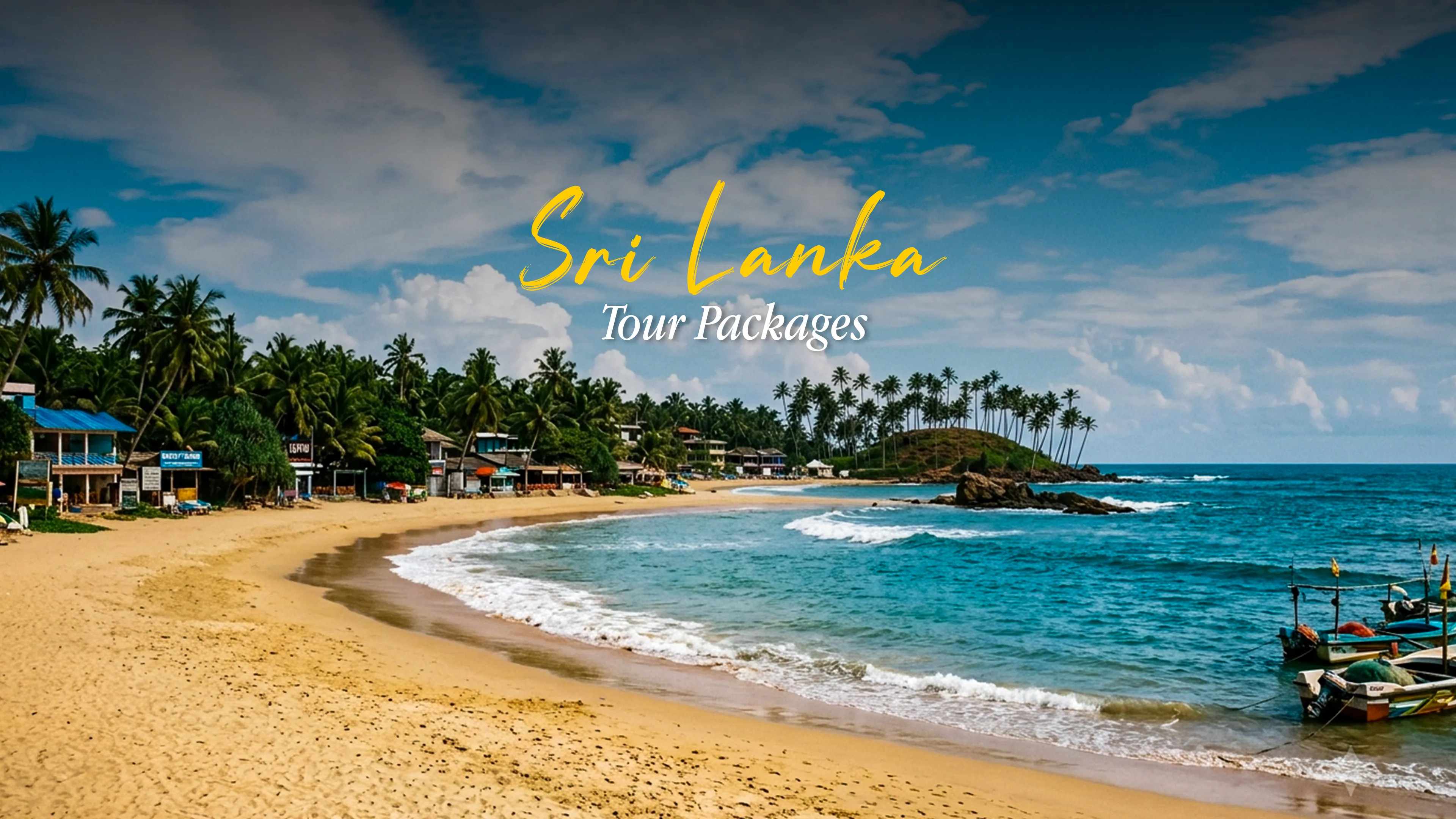
Sri Lanka tour packages
Sri Lanka is a destination that offers an incredible mix of tropical beaches, lush mountains, ancient heritage sites, vibrant cult ....Read More -
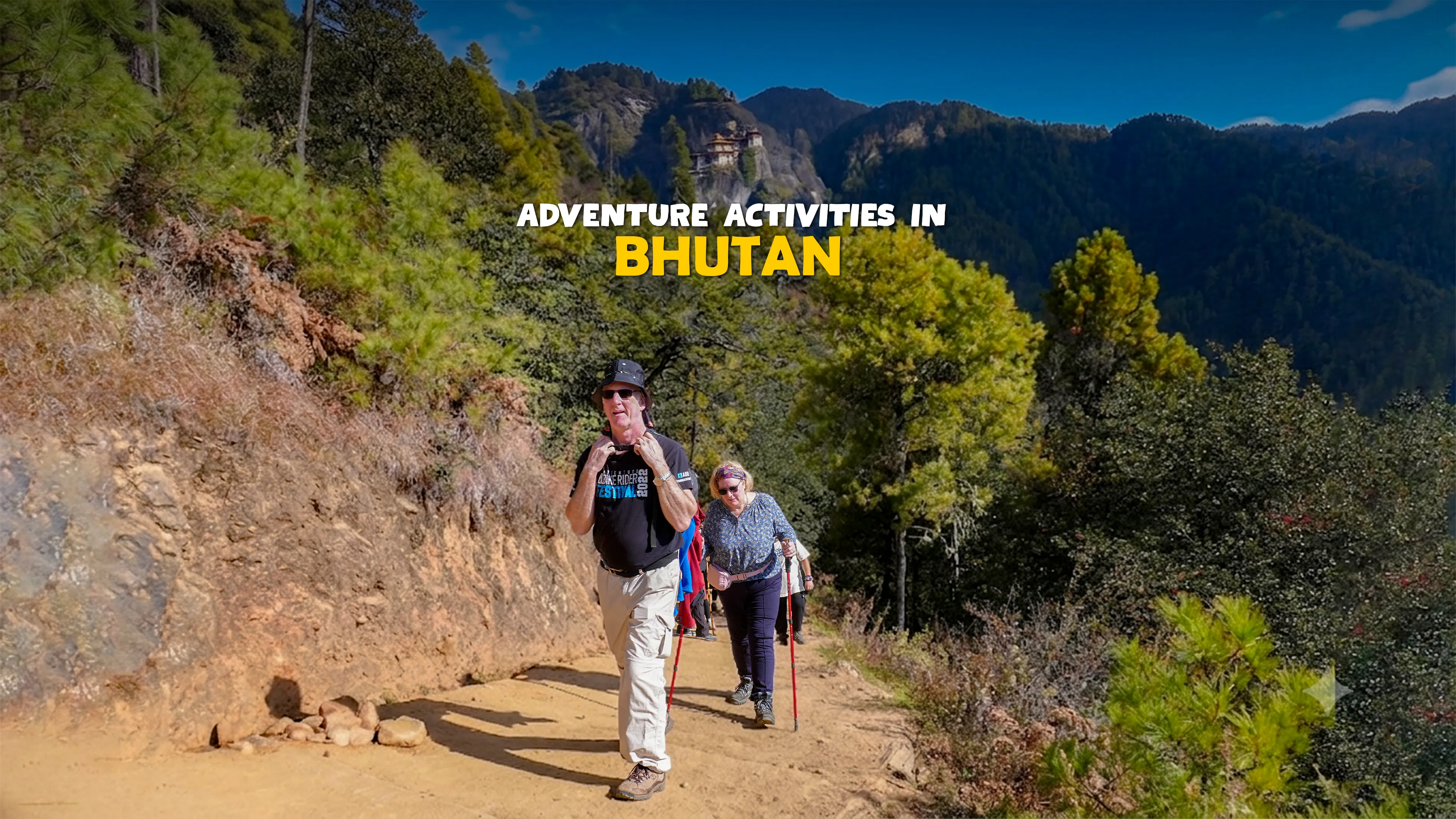
Adventure Activities in Bhutan
Bhutan is often known for its peaceful monasteries, breathtaking Himalayan landscapes, and rich Buddhist culture. However, beyond ....Read More -
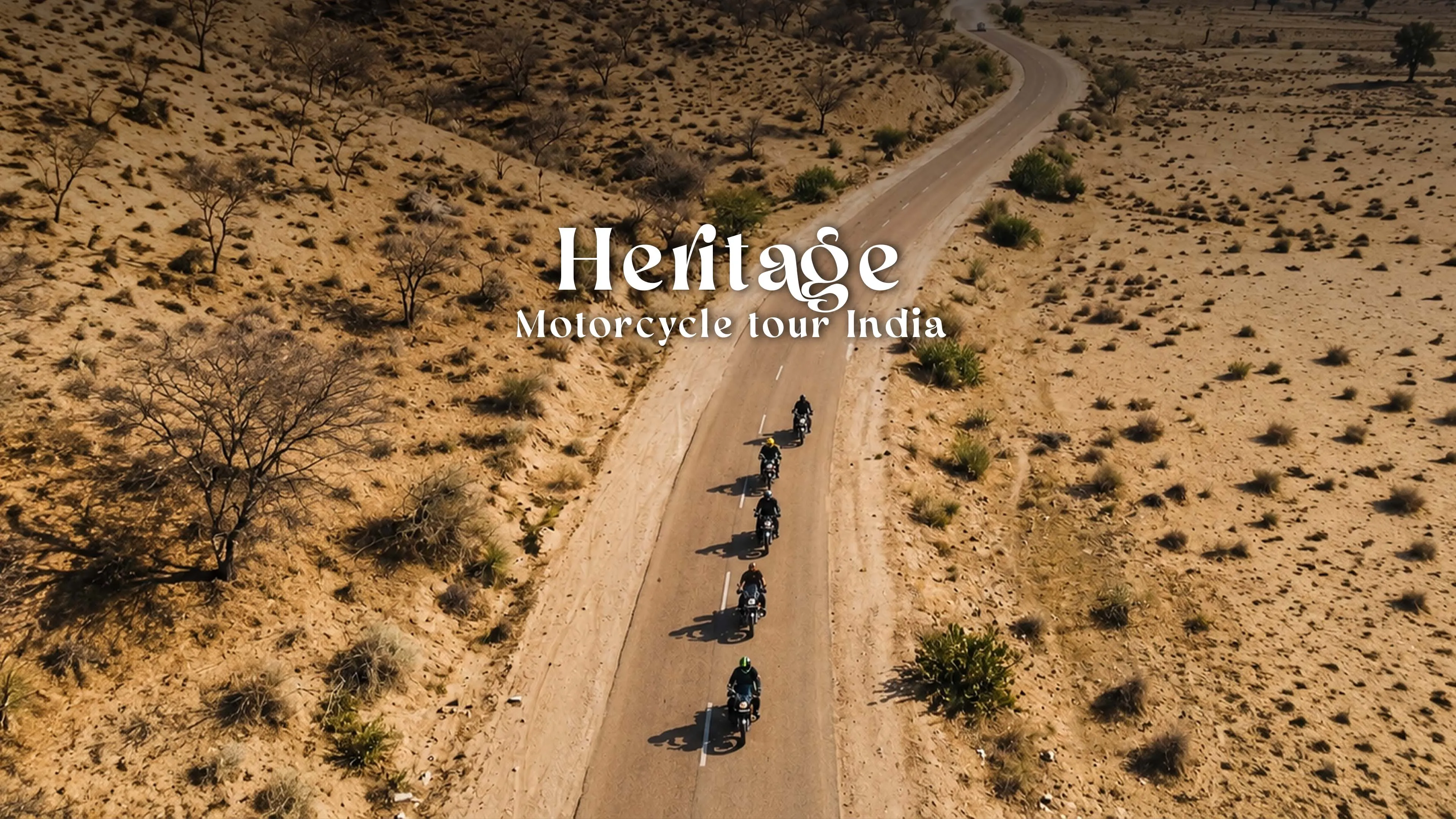
Heritage Motorcycle Tour India
India is a land where every road tells a story. Ancient forts stand proudly on hilltops, colorful bazaars echo centuries-old tradi ....Read More -
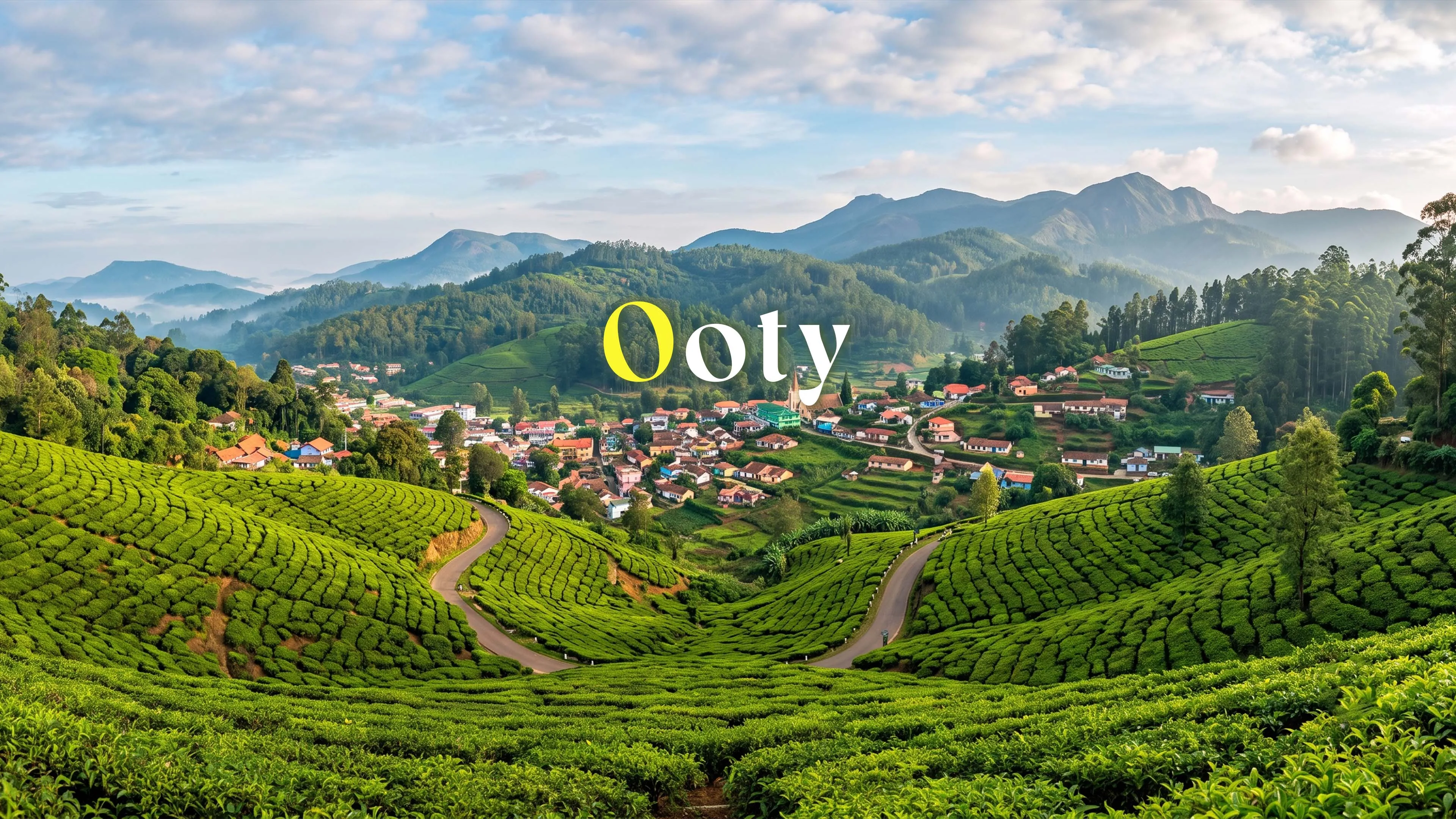
Ooty
Tucked away in the heart of the Nilgiri Hills, Ooty is one of South India's most enchanting hill stations. Officially known as ....Read More -
Best Places to Visit in Nepal
Nepal is a country where ancient traditions, spiritual landmarks, majestic mountains, and thrilling adventures come together to cr ....Read More -
Tawang Tourism
Located at an altitude of over 10,000 feet in the Eastern Himalayas, Tawang is one of India's most spectacular mountain destin ....Read More