



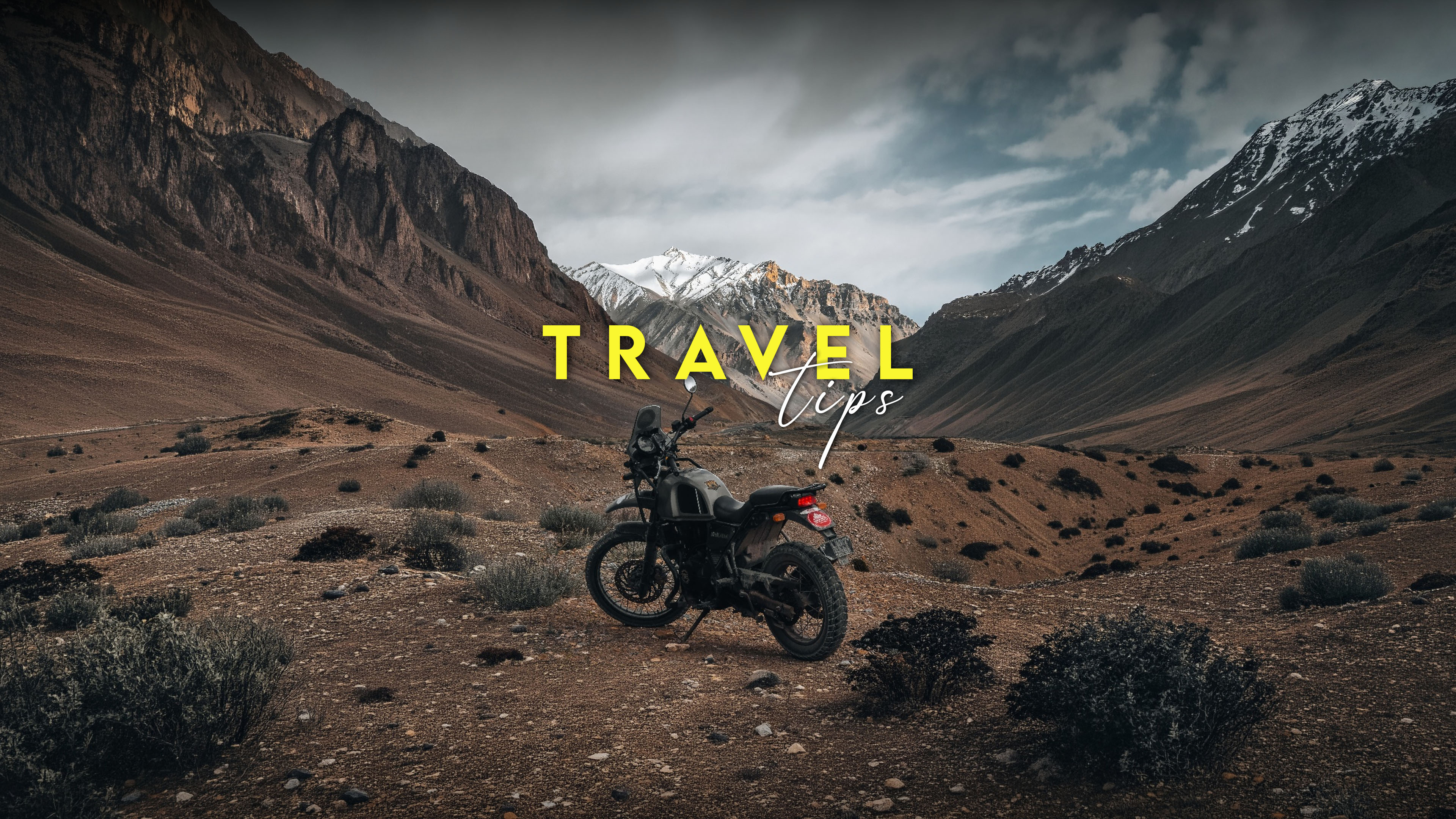
Himalaya-Gemeinschaften bewahren reiche Kulturen. Fahren Sie verantwortungsvoll.
Wichtige Fahrtipps & Highlights
1. Comprehensive Pre-Ride Bike Checklist
Your motorcycle is your single most crucial companion on the trail. A mechanical failure in a remote mountain stretch can turn an adventure into an emergency. Before heading out, conduct a thorough inspection:
- Tyres & Tread: Ensure optimal tread depth. For rocky or off-road terrains, choose dual-sport or knobby tyres and carry heavy-duty spare inner tubes (even for tubeless setups in case of rim damage).
- Drive Chain Tension & Lubrication: Clean, adjust, and lubricate your drive chain every 400 km. Dust and gravel quickly degrade dry chains.
- Fluids & Filters: Change engine oil and replace oil and air filters before embarking on a long tour. Keep extra oil for top-ups.
- Controls & Cables: Inspect clutch and throttle cables for fraying. Install a spare clutch cable alongside the existing cable for instant cable replacement on the go.
- Brake Pads & Rotors: Check front and rear brake pads; replace them if they have less than 50% lifespan left. Steep downhill mountain descents put immense stress on brakes.
Pro Rider Tip: Spare Keys & Tools
Always carry a spare motorcycle key tied securely inside your inner riding jacket zipper. Never zip both keys together! Additionally, pack a compact, high-quality multi-tool, cable ties, electrical tape, and quick-setting metal epoxy (M-seal) for unexpected trail repairs.
2. Riding Gear & Protection Matrix
When riding through extreme landscapes, your riding gear is your second skin. Dressing in versatile layers allows you to adapt instantly to fluctuating temperatures—from blazing valley sun to freezing high-pass winds:
- CE-Certified Armor Jacket & Trousers: Wear abrasion-resistant cordura or leather with CE Level 2 shoulder, elbow, back, and knee protectors.
- Modular All-Weather Helmet: Select a DOT/ECE certified full-face or adventure helmet equipped with a pinlock anti-fog visor and drop-down sun shield.
- Waterproof Riding Gloves: Carry two pairs: lightweight ventilated gloves for warm valley roads and insulated, waterproof winter gloves for high-altitude passes.
- Sturdy Ankle-Protection Boots: Waterproof adventure touring boots with rigid ankle support, reinforced toe caps, and non-slip soles are non-negotiable.
- Thermal Base Layers: Moisture-wicking synthetic or merino wool thermal tops and bottoms keep body heat trapped without causing sweat buildup.
3. High Altitude Acclimatization & Health (AMS Safety)
High Altitude Sickness (Acute Mountain Sickness or AMS) occurs when ascending rapidly above 8,000 feet (2,400 meters). Symptoms include headache, nausea, dizziness, and fatigue. Preventing AMS requires patience and proper body management:
- Gradual Ascent: Rest for at least 36 to 48 hours upon reaching high-altitude entry hubs (such as Leh or Kaza) before riding to higher passes.
- Hydration is Paramount: Drink 3 to 4 liters of water daily. Dehydration accelerates AMS symptoms dramatically. Avoid alcohol and heavy caffeine.
- Proactive Medication: Consult your physician regarding preventive medication like Acetazolamide (Diamox). Start taking it 24 hours prior to ascending higher elevations if advised.
- Oxygen Management: Carry portable oxygen canisters or ensure your support vehicle is equipped with medical-grade oxygen cylinders for emergencies.
Safety First: Golden Rule of AMS
Never ignore altitude symptoms. If a rider experiences severe shortness of breath or persistent disorientation, the immediate and mandatory course of action is to descend to a lower altitude immediately.
4. Mountain Road Navigation & Off-Road Handling
Riding through unpaved gravel, mud patches, and icy water crossings (water streams/nalas) demands smooth control inputs and heightened visual anticipation:
- Water Crossings (Nalas): Cross early in the morning when glacial melt is at its lowest flow. Observe local traffic or lead riders to identify underwater rocks, maintain steady throttle in 1st gear, and never pull the clutch mid-stream.
- Cornering on Gravel: Keep your body relaxed, grip the tank with your knees, look far ahead through the turn, and avoid sudden front-brake applications on loose gravel.
- Engine Braking on Steep Downhills: Downshift to lower gears to let engine compression control your speed, reserving your brakes for controlled deceleration rather than continuous dragging.
5. Luggage Weight Distribution & Packing Science
Proper weight distribution ensures your motorcycle remains stable during fast sweepers and technical off-road trails. Keep heavy tools and spare parts as low and close to the bike's center of gravity as possible.
Utilize heavy-duty waterproof saddlebags or aluminum panniers. Use ratcheting luggage straps (bungee cords can stretch or snap on rough bumps) and place a bright fluorescent rain cover over your rear bag for visibility in heavy fog.
6. Group Riding Etiquette & Signals
Riding in a convoy requires clear discipline to prevent rear-end collisions and ensure no rider gets left behind:
- Staggered Formation: Ride in a staggered pattern on paved roads—the lead rider on the left third of the lane, the second rider 2 seconds back on the right third.
- Buddy System: Keep an eye on the rider behind you in your rear-view mirror. If they stop, slow down and signal the rider ahead of you.
- Clear Hand Signals: Learn standardized hand signals for hazard warnings (pointing down at road obstacles), single-file formations, fuel stops, and regrouping.