



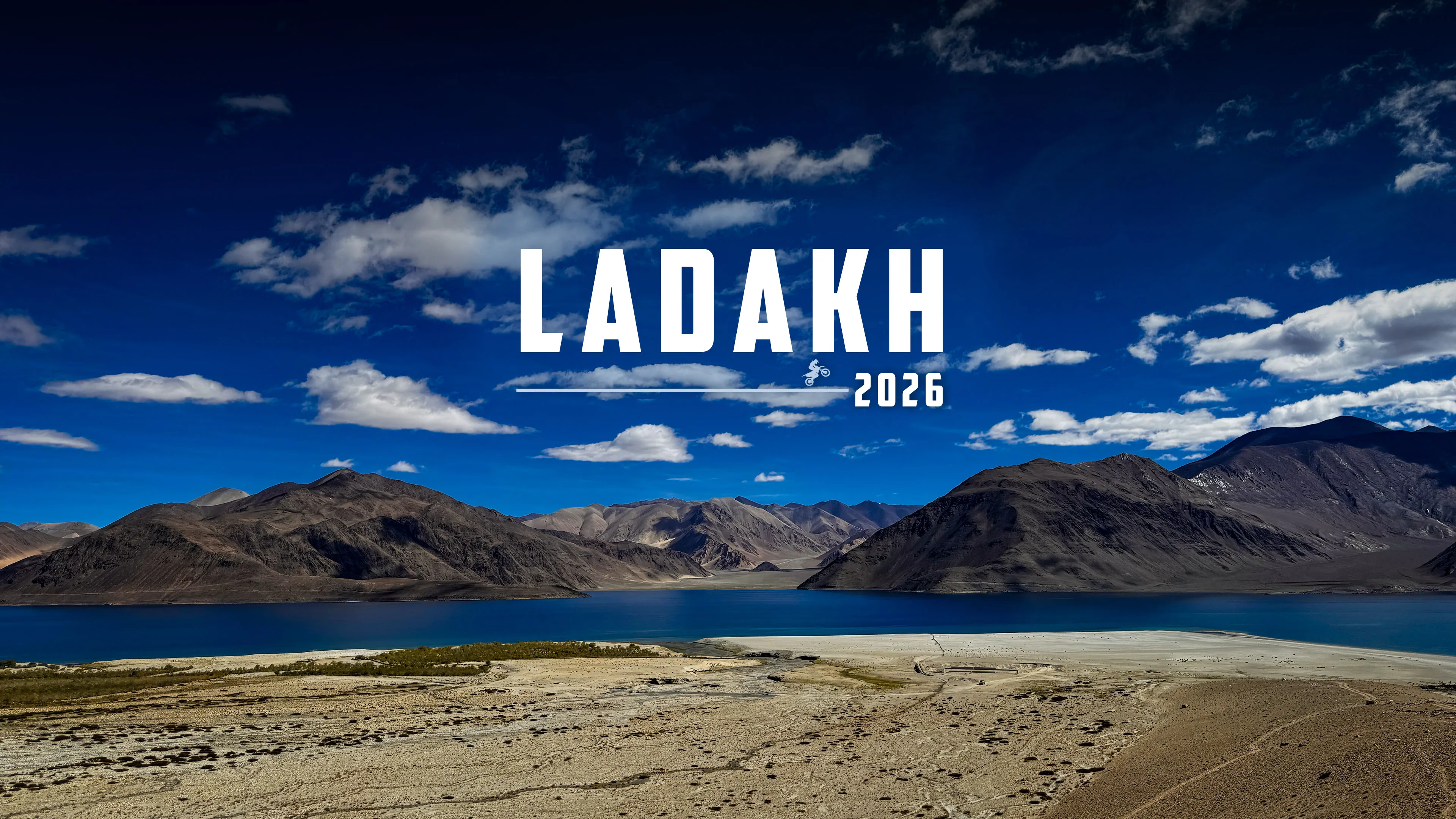
Saisonbericht Ladakh 2026
Die Motorradsaison 2026 in Ladakh wurde von zwei Entwicklungen geprägt, die gleichzeitig stattfanden: dem schnellen Ausbau der Infrastruktur und einer strengeren Regulierung der touristischen Aktivitäten.
Für Motorradfahrer ging es bei der diesjährigen Erfahrung in Ladakh nicht nur darum, ob die berühmten Straßen geöffnet waren. Entscheidend war vielmehr, wie schnell sich das Straßennetz der Region, die Brücken, die touristische Infrastruktur, die Maßnahmen zum Umweltschutz und das Genehmigungssystem weiterentwickelten.
Bis Ende Juli verzeichnete Ladakh bereits mehr als 3,30 Lakh Touristenankünfte und näherte sich damit fast der Gesamtzahl der Touristen für das gesamte Jahr 2025. Gleichzeitig meldete das Unionsterritorium mehr als 4.200 km Straßen und 72 Brücken, verglichen mit 1.799 km Straßen und 19 Brücken vor der Bildung des Unionsterritoriums.
Eine bessere Verkehrsanbindung machte Ladakh jedoch nicht zu einem einfachen Motorradziel.
Die Saison 2026 war außerdem von ungewöhnlichen Wetterereignissen, Erdrutschen und Steinschlägen, laufenden Bauarbeiten, strengeren Maßnahmen gegen illegales Offroad-Fahren, einer verstärkten Umweltüberwachung, Veränderungen bei den Genehmigungsregelungen und entsprechenden Diskussionen sowie bedeutenden Motorradveranstaltungen wie der Ladakh Bike Week 2026 und dem Royal Enfield Himalayan Basecamp geprägt.
Dies ist unser Ladakh Saisonbericht 2026 – eine datenbasierte Betrachtung der Straßen, des Wetters, der Vorschriften, der Infrastruktur und der Veränderungen im Motorradtourismus, die diese Saison geprägt haben.
Motorradtour Ladakh 2026: Die Saison in Zahlen
Bevor wir die einzelnen Straßen betrachten, erzählen die Zahlen eine wichtige Geschichte.
|
Indikator 2026 |
Was sich verändert hat |
| Touristenankünfte | Mehr als 3,30 Lakh bis Ende Juli |
| Straßennetz | Mehr als 4.200 km |
| Brücken | 72 |
| Homestays | 2,275 |
| Gefährdete Abschnitte Leh–Kargil | Rund 15 Hochrisikostellen identifiziert |
| Khardung La / Leh–Nubra | Mindestens 4–5 gefährdete Punkte identifiziert |
| Umweltschutz-Einheit | 100 ehemalige Militärangehörige eingesetzt |
| Illegales Offroad-Fahren | Mehrere Kontrollen und Sanktionen |
| Ladakh Bike Week | Erste Ausgabe, 1.–7. September 2026 |
| Himalayan Basecamp | 4.–6. September 2026 |
Die Zahlen zeigen, dass Ladakh zunehmend besser erreichbar und immer besser auf große Besucherzahlen vorbereitet ist. Die Bedingungen für Motorradfahrer bleiben jedoch weiterhin stark von der Höhenlage, dem Wetter, Straßenbauarbeiten und örtlichen Einschränkungen abhängig.
Tourismus nahm während der Saison 2026 deutlich zu
Eine der deutlichsten Veränderungen in diesem Jahr war das anhaltende Wachstum des Tourismus.
Bis Ende Juli 2026 verzeichnete Ladakh mehr als 3,30 Lakh Touristenankünfte. Damit wurden bereits fast 98 % der Gesamtzahl erreicht, die im gesamten Vorjahr registriert wurde.
Neuere Berichte beziffern die Gesamtzahl der Besucher von Januar bis August 2026 auf etwa 4,05 Lakh. Damit wurde die Gesamtzahl des gesamten Jahres 2025 von 3,35,872 Besuchern bereits überschritten.
Dieses Wachstum ist für Motorradreisende von Bedeutung, denn mehr Besucher bedeuten:
-
Mehr Verkehr auf den wichtigsten Zufahrtsstraßen
-
Höhere Belastung für Unterkünfte
-
Mehr Motorräder und Touristenfahrzeuge an beliebten Pässen
-
Höhere Nachfrage nach Kraftstoff und mechanischer Unterstützung
-
Größeren Druck auf empfindliche Landschaften
-
Mehr Aufmerksamkeit der Behörden für verantwortungsvollen Tourismus
Mit anderen Worten: Ladakh im Jahr 2026 war nicht mehr das abgelegene Motorradreiseziel, an das sich viele Fahrer von vor einem Jahrzehnt erinnern.
Ladakh hat sich zu einem deutlich größeren touristischen Ökosystem entwickelt.
Das Straßennetz von Ladakh wächst – Doch die Straßenqualität bleibt unterschiedlich
Eine der bedeutendsten Infrastrukturentwicklungen im Jahr 2026 war das Ausmaß des Straßenausbaus in Ladakh.
Die Verwaltung berichtete, dass das Straßennetz auf mehr als 4.200 km erweitert wurde, verglichen mit 1.799 km, bevor Ladakh zum Unionsterritorium wurde. Auch die Zahl der Brücken stieg von 19 auf 72.
Für Motorradreisende muss diese Zahl jedoch in den richtigen Kontext gesetzt werden.
Ein größeres Straßennetz bedeutet nicht, dass jeder Kilometer frisch asphaltiert ist.
Während der Motorradsaison 2026 trafen Fahrer weiterhin auf eine Mischung aus:
-
Glatten, neu asphaltierten Straßenabschnitten
-
Älterem, beschädigtem Asphalt
-
Schotter
-
Losem Gestein
-
Baustellen
-
Vorübergehenden Umleitungen
-
Wasserdurchquerungen
-
Unbefestigten Bergstrecken
-
Hochgelegenen Strecken, auf denen sich die Bedingungen durch das Wetter schnell verändern können
Deshalb kann der Begriff Straßenbedingungen in Ladakh 2026 nicht einfach darauf reduziert werden, ob die Straßen gut oder schlecht sind.
Die Realität ist abhängig von der jeweiligen Route.
Srinagar–Kargil–Leh: Die Bessere Anbindung Ist Weiterhin Im Aufbau
Der Korridor Srinagar–Kargil–Leh blieb auch 2026 eine der wichtigsten Zufahrtsrouten nach Ladakh.
Das bedeutendste langfristige Infrastrukturprojekt in diesem Gebiet ist der Zojila-Tunnel.
Trotz erheblicher Fortschritte war der Tunnel während der Motorradsaison 2026 nicht einfach als regulär geöffnete Touristenroute verfügbar. Das Projekt befand sich weiterhin im Bau.
Diese Unterscheidung ist wichtig, da Social-Media-Beiträge und ältere Reiseberichte leicht den Eindruck vermitteln können, dass der Tunnel den touristischen Zugang bereits grundlegend verändert hat.
Bei einer Motorradtour im Jahr 2026 mussten Motorradfahrer den bestehenden Bergkorridor weiterhin als die tatsächlich genutzte Route betrachten, anstatt ihre Reise unter der Annahme zu planen, dass der Tunnel bereits für den normalen touristischen Verkehr zur Verfügung stand.
Das übergeordnete Ziel ist eindeutig: eine ganzjährig bessere Verbindung zwischen Kaschmir und Ladakh zu schaffen.
Bauarbeiten können jedoch vorübergehend den Verkehrsfluss, den Straßenzustand und die Fahrzeiten verändern.
Umling La 2026: Straßenbedingungen, Routenänderungen und Zugang in großer Höhe
Umling La blieb während der Saison 2026 eines der anspruchsvollsten Ziele für Motorradfahrer in Ladakh. Mit einer Höhe von 19.024 ft (5.798 m) liegt der Pass im Osten Ladakhs an der Chisumle–Demchok Road, die von der Border Roads Organisation (BRO) im Rahmen des Project HIMANK gebaut wurde. Die Straße verbindet die Seite von Chisumle mit Demchok nahe der sensiblen östlichen Grenzregion Ladakhs.
Für Motorradreisende war die entscheidende Geschichte im Jahr 2026 jedoch nicht nur die Höhe. Wichtig war vielmehr die Kombination aus Straßenentwicklung, sich verändernden Zufahrtsbedingungen, wetterbedingten Unterbrechungen und der Notwendigkeit, die richtige Zufahrtsroute zu nutzen.
Wie war der Straßenzustand am Umling La im Jahr 2026?
Die eigentliche Chisumle–Demchok Road war im Vergleich zu den rauen Pisten, die den Zugang zu diesem Teil des östlichen Ladakhs früher prägten, deutlich stärker ausgebaut und asphaltiert. Die CUD Road wurde von der BRO gebaut und überquert den Umling-La-Pass auf 19.024 ft.
„Asphaltiert“ bedeutete jedoch nicht „einfach“.
Berichte aus der Saison 2026 beschrieben weiterhin:
-
Raue Abschnitte und losen Schotter auf Teilen der Zufahrt
-
Wetterbedingungen in großer Höhe
-
Gelegentliche Wasserdurchquerungen auf einigen Zufahrten
-
Straßenbau- und Instandhaltungsarbeiten
-
Schnee und rutschige Bedingungen nach Wetterumschwüngen
-
Sehr begrenzte Hilfe entlang der Strecke
-
Extrem starke Winde und Kälte in der Nähe des Gipfels
Ein Routenführer aus dem Jahr 2026 beschrieb die Zufahrt über Photi La als Strecke mit mehr verbesserten bzw. asphaltierten Abschnitten, während die Zufahrt über Ukdungle/Nurbula weiterhin abenteuerlicher und anspruchsvoller war.
Daher sollte Umling La bei der Beschreibung der Straßenbedingungen in Ladakh 2026 als zunehmend ausgebaute Straße in eine extrem anspruchsvolle Hochgebirgsumgebung beschrieben werden und nicht einfach als glatte asphaltierte Straße.
War Umling La 2026 Gesperrt?
Ja, während der Saison 2026 wurden vorübergehende Einschränkungen des Zugangs gemeldet. Dies sollte jedoch nicht so formuliert werden, als wäre Umling La dauerhaft geschlossen gewesen.
Wichtig ist die Unterscheidung, dass der Zugang durch Schneefall, Erdrutsche, Straßenbedingungen, Bauarbeiten sowie lokale oder sicherheitsbedingte Einschränkungen beeinträchtigt werden konnte. Einige Berichte direkt vor Ort aus dem Jahr 2026 dokumentierten vorübergehende Sperrungen oder Einschränkungen an einzelnen Tagen, während spätere Berichte der Saison zeigten, dass organisierte Expeditionen den Pass erfolgreich erreichten.
Beispielsweise erreichte eine Expedition im Jahr 2026 am 1. August Umling La, nachdem sie schneebedeckte Abschnitte am Khardung La und Photi La passiert hatte und mit schnell wechselnden Wetterbedingungen umgehen musste.
Im Jahr 2026 wurden für Fahrten zum Umling La Abfahrten am frühen Morgen ausdrücklich empfohlen. Ziel war es, die lange Strecke Hanle–Umling La–Hanle bei Tageslicht zu bewältigen und gleichzeitig etwas Zeitpuffer für wechselnde Wetter- und Straßenbedingungen einzuplanen. Dies sollte nicht mit einer allgemeinen offiziellen Regel verwechselt werden, die den Zugang ausschließlich am Morgen erlaubt.
Diese Formulierung verhindert, dass eine praktische Empfehlung für Motorradfahrer fälschlicherweise als Vorschrift dargestellt wird.
Das Wetter War Ein Wichtiger Faktor Am Umling La
Die Höhenlage des Umling La führt zu deutlich schwierigeren Wetterbedingungen als in Leh oder sogar in Hanle.
Die technischen Unterlagen zur Straße weisen darauf hin, dass die Region insbesondere im Winter und Frühjahr extreme Kälte und starken Schneefall erlebt. Die Temperaturen können dabei bis auf etwa −25 °C fallen. Aufgrund dieser Bedingungen ist auch die jährliche Bausaison an der Straße relativ kurz.
Die Saison 2026 zeigte diese wechselhaften Bedingungen erneut. Eine Expedition im August 2026 berichtete von schneebedeckten Abschnitten am Khardung La und Photi La, bevor sie Umling La erfolgreich erreichte.
Für Motorradfahrer bedeutet das, dass das Wetter am Umling La nicht anhand der Bedingungen in Leh am selben Morgen beurteilt werden sollte. Auf dem Gipfel kann es deutlich kälter, windiger und wesentlich unberechenbarer sein.
Die Wichtigste Erkenntnis aus 2026: Die Route Ist Genauso Wichtig Wie Der Gipfel
Umling La wird online häufig als ein einzelnes Ziel mit nur einer Zufahrtsstraße dargestellt. Die Fahrerfahrung im Jahr 2026 war jedoch deutlich komplexer.
Von Hanle aus konnten Motorradfahrer über die Seite Photi La–Photile–Chisumle anfahren, während alternative Routen rund um Ukdungle/Nurbula unterschiedliche Geländearten und Entfernungen boten. Die Demchok-Seite ist aufgrund ihrer Nähe zur Line of Actual Control deutlich sensibler und sollte nicht als frei zugängliche touristische Abkürzung betrachtet werden.
Daher sind aktuelle Informationen über die lokalen Routen besonders wichtig.
Eine Straße, die auf einer Karte als offen angezeigt wird, ist nicht automatisch die Route, die derzeit für zivile Reisende freigegeben oder empfohlen wird.
Was Hat Sich 2026 Für Motorradfahrer Verändert?
Die auffälligste Veränderung war der fortschreitende Übergang von einer extrem schwierigen Hochgebirgs-Zufahrtsstraße zu einer besser ausgebauten und zunehmend asphaltierten Route, während die umliegende Landschaft und die Bedingungen weiterhin genauso anspruchsvoll blieben.
Für Motorradreisende entstand dadurch ein interessantes Paradoxon:
Die Straße wird einfacher zu fahren. Die Höhe wird nicht einfacher zu bewältigen.
Auf fast 5.800 Metern bleiben die geringere Sauerstoffverfügbarkeit, Kälte, Wind, Erschöpfung und plötzliche Wetterumschwünge die eigentlichen Herausforderungen. Selbst eine gut ausgebaute Straße kann diese Risiken nicht beseitigen.
Fazit zu Umling La 2026
Bei einer Motorradtour Ladakh 2026 sollte Umling La als eigenständige Hochgebirgsexpedition ab Hanle betrachtet werden und nicht als kurzer Abstecher für eine Besichtigung.
Die wichtigsten Erkenntnisse aus dem Jahr 2026 waren:
-
Hanle als praktische Basis nutzen.
-
Die Route Photi La–Photile–Chisumle wurde am häufigsten als Zufahrtsroute empfohlen.
-
Alternative Routen über Ukdungle/Nurbula konnten anspruchsvolleres Gelände beinhalten.
-
Die Straße Chisumle–Demchok wurde umfangreich technisch ausgebaut und zunehmend asphaltiert.
-
Wetterbedingungen können weiterhin Schnee, Eis, starken Wind und vorübergehende Unterbrechungen verursachen.
-
Vorübergehende Sperrungen oder Einschränkungen sind möglich, ohne dass die Route dauerhaft unzugänglich wird.
-
Die Demchok/LAC-Seite ist sensibel und sollte nicht als uneingeschränkt zugängliche Touristenroute betrachtet werden.
-
Frühzeitige Abfahrten wurden aufgrund der langen Rückfahrt und der sich schnell verändernden Bedingungen im Hochgebirge dringend empfohlen.
-
Verbesserte Straßen beseitigen nicht die körperlichen Anforderungen des Motorradfahrens oberhalb von 19.000 Fuß.
Die Infrastruktur verbessert sich schnell, doch die Umgebung bleibt extrem und der Zugang hängt weiterhin von den tatsächlichen Bedingungen vor Ort ab.
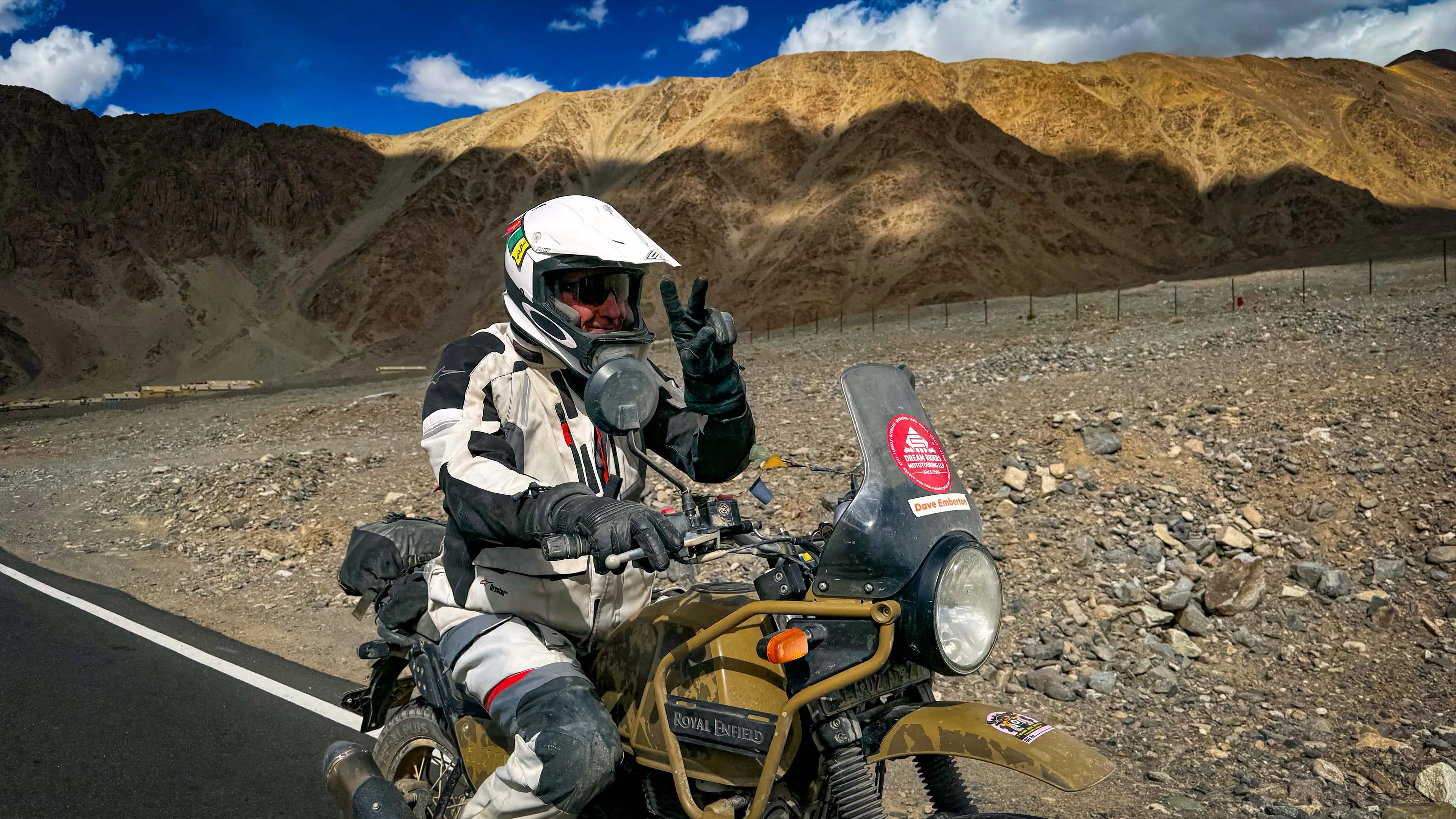 Zanskar Erlebte 2026 Eine Weitere Entwicklung Der Straßeninfrastruktur
Zanskar war ein weiteres Gebiet, in dem sich die Straßeninfrastruktur während der Saison weiter veränderte.
Im Juni 2026 überprüfte die Verwaltung von Zanskar die laufenden Straßenbauarbeiten im Rahmen des Non-Plan Development und wies die zuständigen Behörden an, die Asphaltierungsarbeiten zu beschleunigen. Ziel war es, die identifizierten Arbeiten bis Ende Juni abzuschließen.
Für Motorradfahrer bedeutet dies, dass sich einige Abschnitte in Zanskar zunehmend von den rauen Straßen unterscheiden, die traditionell mit der Region verbunden werden.
Dennoch sollte Zanskar nicht plötzlich als klassisches Motorradreiseziel mit durchgehend asphaltierten Straßen betrachtet werden.
Der Charakter der Reise hängt weiterhin ab von:
-
Laufenden Bauarbeiten
-
Straßeninstandhaltung
-
Wetterbedingungen
-
Flussquerungen
-
Lockerem Untergrund
-
Abgelegenen Streckenabschnitten
-
Hochgebirgspässen
Genau deshalb erfordert eine Motorradtour durch Zanskar weiterhin eine andere Vorbereitung als eine gewöhnliche Motorradtour auf befestigten Straßen.
Nubra Valley: Brücken und Lokale Straßen Verändern die Fahrtrouten
Nubra erlebte ein weiteres wichtiges Jahr mit der Entwicklung von Straßen und Brücken.
Im Juli 2026 wurde die ₹27,18 Crore teure Udmaroo-Brücke über den Shayok River eröffnet. Die Brücke verkürzt die Entfernung zwischen mehreren Dörfern um fast 35 km und soll die ganzjährige Erreichbarkeit verbessern.
Gleichzeitig überprüften die Behörden mehrere laufende Straßen- und PMGSY-Projekte in verschiedenen Teilen von Nubra. Dabei standen der Ausbau der Straßen, Fertigstellungstermine und bestehende Engpässe im Mittelpunkt.
Weitere Brücken, darunter die befahrbaren Brücken Burma–Sumoor und Tongsted, waren ebenfalls Teil der Infrastrukturentwicklung im Jahr 2026.
Was Bedeutet Das Für Motorradfahrer?
Das traditionelle Bild von Nubra als vollständig abgelegene Region mit ausschließlich schwierigen Straßen entspricht zunehmend nicht mehr der Realität.
Die Verkehrsanbindung verbessert sich.
Das bedeutet jedoch nicht, dass jede Route automatisch für Touristen zugänglich ist.
Eine neu gebaute Straße kann die lokale Verbindung verbessern, ohne gleichzeitig zu einer empfohlenen touristischen Motorradroute zu werden.
Das Wichtigste Thema Der Verkehrssicherheit 2026: Erdrutsche und Steinschlag
Wenn ein Straßenrisiko während der Saison besonders ernst genommen wurde, dann waren es die Gefahren durch Erdrutsche und herabfallende Felsen.
Im August 2026 überprüfte die Verwaltung von Ladakh nach mehreren Vorfällen, die den Verkehr beeinträchtigt hatten, die entsprechenden Vorsorgemaßnahmen und wies die Behörden an, Sicherheitsprüfungen an gefährdeten Straßenabschnitten durchzuführen.
Die Behörden identifizierten etwa 15 Hochrisikostellen entlang des National Highway zwischen Leh und Kargil sowie mindestens 4–5 gefährdete Punkte im Khardung-La-Abschnitt der Straße zwischen Leh und Nubra.
Der Ansatz der Verwaltung zur Risikominderung umfasst technische Maßnahmen wie:
-
Stütz- und Sicherungsbauwerke
-
Schutz vor Steinschlag
-
Hangstabilisierung
-
Felsanker und Verankerungen
-
Schutzbarrieren
-
Steinschlagschutzgalerien
-
Geotechnische Überwachung
Dies stellt eine wichtige Veränderung in der Art und Weise dar, wie Straßenrisiken heute gemanagt werden.
Statt jeden Erdrutsch als unvermeidbares Ereignis im Gebirge zu betrachten, setzen die Behörden zunehmend auf Risikokartierung, technische Maßnahmen und vorbeugende Überwachung.
Für Motorradfahrer bleibt die grundlegende Regel jedoch unverändert:
Eine Bergstraße kann sich verändern, nachdem das letzte Fahrzeug sie passiert hat.
Das Wetter Wurde Zu einem Wichtigeren Faktor Beim Motorradfahren
Die Saison 2026 zeigte auch, warum der bekannte Ruf Ladakhs als „trockenes Gebirge“ nicht mit einer Garantie für trockenes Wetter verwechselt werden sollte.
Im Juli 2026 veröffentlichte das Katastrophenschutzamt von Ladakh aufgrund der Vorhersage von starken Regenfällen eine öffentliche Warnung und wies auf mögliche:
-
Sturzfluten
-
Erdrutsche
-
Unterbrechungen wichtiger Versorgungsleistungen
-
Beschädigte Straßen
-
Instabile Brücken
hin.
Touristen und Pendler wurden ausdrücklich dazu aufgefordert, angeschwollene Bäche, überschwemmungsgefährdete Gebiete und von Erdrutschen bedrohte Hänge zu meiden.
Dies ist wichtig, da viele Motorradfahrer mit einer einfachen Vorstellung anreisen:
Große Höhe = trockene Straßen.
Das Jahr 2026 zeigte, warum diese Annahme unzuverlässig ist.
Eine Motorradtour durch Ladakh sollte ausreichend Spielraum für wechselndes Wetter, vorübergehende Straßensperrungen und lokale Sicherheitsentscheidungen einplanen.
Starker Schneefall und Vorübergehende Straßensperrungen in Ladakh 2026
Die Motorradsaison in Ladakh 2026 war von mehreren Situationen geprägt, die daran erinnerten, wie schnell sich das Wetter im Hochgebirge verändern kann – selbst nachdem die eigentliche Motorradsaison bereits begonnen hat. Obwohl Ladakh während der Sommermonate allgemein mit trockenen Bedingungen verbunden wird, beeinflusste Schneefall 2026 weiterhin einige der höchsten Bergpässe der Region.
21. Mai 2026 — Neuschnee Führte zur Vorübergehenden Sperrung des Zoji La
Eines der deutlichsten Beispiele ereignete sich am 21. Mai 2026, als frischer Schneefall rund um Zoji La den Verkehr auf der Straße zwischen Srinagar und Ladakh vorübergehend beeinträchtigte. Räumteams wurden eingesetzt, um den angesammelten Schnee zu entfernen und eine sichere Durchfahrt wiederherzustellen.
Der Vorfall verdeutlichte eine wichtige Realität für Motorradreisende: Der Beginn der Motorradsaison in Ladakh garantiert keine dauerhaft klaren Bedingungen an den hoch gelegenen Bergpässen. Ein plötzlicher Schneefall kann die Überquerung eines Passes erschweren und zu vorübergehenden Verkehrsbeschränkungen führen, während die Behörden die Straße räumen und überprüfen.
25.–27. Mai 2026 — Schneestürme Rund Um Zoji La und Khardung La
Ende Mai folgte eine weitere Phase wechselhafter Wetterbedingungen im Gebirge. Berichte von Motorradfahrern vom 25. bis 27. Mai beschrieben Regen und Schnee rund um Zoji La, während auch starker Schneefall im Bereich von Khardung La gemeldet wurde.
Am Khardung La berichteten Motorradfahrer von starkem Schneefall, der den Verkehr erheblich verlangsamte. Einige Reisende warteten, bis sich die Bedingungen verbesserten, bevor sie ihre Fahrt fortsetzten. Diese Berichte direkt vor Ort vermitteln ein gutes Bild davon, wie schnell sich die Bedingungen in großer Höhe verschlechtern können, selbst wenn eine Route technisch gesehen weiterhin geöffnet ist.
Für Motorradreisende besteht das Problem nicht immer in einer vollständigen Straßensperrung. Frischer Schnee kann eine Kombination aus Schneematsch, eingeschränkter Sicht, rutschigen Oberflächen, langsamerem Verkehr und schwierigerer Kontrolle des Motorrads verursachen – insbesondere in der Nähe exponierter Hochgebirgspässe.
Chang La — Starker Schneefall Bedeutete Nicht Immer Eine Straßensperrung
Die Saison 2026 zeigte auch, warum Schneefall nicht automatisch als vollständige Straßensperrung interpretiert werden sollte.
Anfang Mai berichteten Motorradfahrer vom Chang La über erhebliche Schneemengen rund um den Pass, während die Straße selbst weiterhin befahrbar war. Dies zeigt, wie wichtig es ist, zwischen Schnee auf dem Berg und einer offiziell gesperrten oder unpassierbaren Straße zu unterscheiden.
Die Bedingungen können sich von Pass zu Pass erheblich unterscheiden und innerhalb weniger Stunden verändern – abhängig von Schneefall, Temperatur, Räumarbeiten und Verkehrsaufkommen.
August 2026 — Schneefall Kehrte Auf Die Hochgebirgspässe Zurück
Der Schneefall beschränkte sich nicht auf den frühen Teil der Saison. Auch im August 2026 wurde erneut Schneefall rund um Wari La und Pensi La gemeldet. Starker Schnee führte in den betroffenen Gebieten vorübergehend zu Beeinträchtigungen des Fahrzeugverkehrs.
Dies war eine weitere Erinnerung daran, dass das Wetter im Hochgebirge nicht allein anhand des Kalenders beurteilt werden kann. Selbst während der etablierten Sommer-Motorradsaison können exponierte Bergpässe plötzliche Veränderungen bei Wetter und Straßenbedingungen erleben.
Was Der Schneefall 2026 Für Motorradfahrer Bedeutete
Die wichtigste Erkenntnis der Saison 2026 war einfach:
Dass eine Straße offiziell geöffnet ist, bedeutet nicht unbedingt, dass sie leicht oder angenehm zu befahren ist.
Schneefall kann einen Hochgebirgspass schnell verändern und zu folgenden Bedingungen führen:
-
Schneematsch und nasse Fahrbahn
-
Weniger Reifengrip
-
Eingeschränkte Sicht
-
Niedrigere Temperaturen
-
Langsam fließender Verkehr
-
Vorübergehende Schneeansammlungen
-
Verzögerungen während der Schneeräumung
-
Kurzfristige Verkehrsbeschränkungen oder Sperrungen
Motorradfahrer, die über Zoji La, Khardung La, Chang La, Wari La, Pensi La und andere Hochgebirgspässe fahren, sollten daher die Wetter- und Straßenbedingungen möglichst kurz vor dem jeweiligen Fahrtag überprüfen.
Die Saison 2026 zeigte außerdem, warum sich Motorradfahrer nicht ausschließlich auf ältere Reiseblogs, Fotos aus sozialen Medien oder Berichte aus den vergangenen Tagen verlassen sollten. Die Bedingungen im Gebirge können sich deutlich schneller verändern, als Online-Informationen aktualisiert werden.
Das Fazit Für 2026
Schneefall führte 2026 nicht zur Schließung aller Straßen in Ladakh. Er zeigte jedoch wiederholt, dass Schnee den Verkehr verlangsamen, das Überqueren hoher Pässe erschweren und Reisen vorübergehend beeinträchtigen kann.
Bei einer Motorradtour durch Ladakh sollte daher weder automatisch angenommen werden, dass Schnee „geschlossen“ bedeutet, noch dass eine geöffnete Straße automatisch „einfach“ zu befahren ist. Stattdessen sollten Motorradfahrer Flexibilität in ihrer Reiseroute einplanen, lokale Verkehrsanweisungen befolgen und auf schnell wechselnde Bedingungen im Hochgebirge vorbereitet sein.
Die Größte Änderung Bei Den Vorschriften: Die Durchsetzung Von Umweltschutzmaßnahmen Wurde Sichtbarer
Eine der wichtigsten Entwicklungen für Motorradtouristen im Jahr 2026 war keine neue Straße.
Es war die verstärkte Kontrolle.
Im Juli setzte Ladakh 100 ehemalige Soldaten als Mitglieder der Ladakh Environment Protection Force (EPF) ein, um die Überwachung ökologisch sensibler Gebiete zu verstärken. Die Einsatzkräfte wurden ermächtigt, bei Verstößen direkt vor Ort Challans auszustellen.
Zu den betroffenen Bereichen gehören:
-
Illegales Off-Road-Fahren
-
Störung von Wildtieren
-
Vermüllung
-
Verstöße gegen Vorschriften zu Einwegplastik
-
Nicht genehmigte Aktivitäten innerhalb geschützter Gebiete
Dies veränderte die praktische Bedeutung von „verantwortungsvollem Fahren“.
Es geht nicht mehr nur um Umweltbewusstsein und angemessenes Verhalten in der Natur.
In sensiblen Gebieten kann das Verhalten von Motorradfahrern rechtliche und finanzielle Konsequenzen haben.
2026 Lieferte Eine Klare Warnung Für Motorradgruppen
Das deutlichste Beispiel ereignete sich im Juli.
Die Behörden verhängten gegen 12 Motorradfahrer jeweils eine Geldstrafe von ₹10.000, insgesamt ₹1,20 Lakh, nachdem festgestellt worden war, dass sie innerhalb des Changthang Wildlife Sanctuary in der Nähe von Tso Moriri illegal abseits der Straße gefahren waren.
Ein SUV-Fahrer wurde separat mit ₹50.000 wegen illegalen Off-Road-Fahrens in der Nähe des Pangong Lake bestraft.
Bereits im Juni wurden vier weitere Personen mit jeweils ₹50.000 bestraft, nachdem es zu Fällen von illegalem Off-Road-Fahren in geschützten Gebieten rund um Pangong, Hanle und Nubra gekommen war.
Diese Fälle sind wichtig, weil sie zeigen, dass die Behörden das Verhalten von Motorrad- und Fahrzeugfahrern aktiv überwachen.
Die Lehre aus 2026 ist einfach:
Die Straße ist die Route. Die Landschaft neben der Straße ist nicht automatisch eine Fahrfläche.
Motorradfahrer sollten niemals davon ausgehen, dass ein Seeufer, ein Bach, ein Lebensraum für Wildtiere oder eine offen wirkende Fläche automatisch legal befahren werden darf.
Auch Das Genehmigungssystem Von Ladakh Wurde Überprüft
Eine weitere wichtige regulatorische Entwicklung im Jahr 2026 betraf den Rahmen für Protected Area Permit (PAP) und Restricted Area Permit (RAP) für ausländische Touristen.
Im August überprüfte die Verwaltung von Ladakh den bestehenden Rahmen einschließlich der geografischen Geltungsbereiche und der Sperrgebiete, insbesondere im Norden und Osten Ladakhs.
Eine anschließende Überprüfung im September stellte eine wichtige Unterscheidung klar:
Inländische Touristen benötigen nicht allein für die Einreise nach Ladakh eine Inner Line Permit (ILP). Für ausgewiesene Gebiete bleiben Genehmigungen jedoch gemäß den geltenden Bestimmungen erforderlich. Die Verwaltung setzte außerdem die Überprüfung des Rahmens für geschützte und eingeschränkte Gebiete sowie für die Bewegungsfreiheit ausländischer Touristen fort.
Für Motorradfahrer bedeutet dies, dass ältere Blogbeiträge und Forenempfehlungen zum „Ladakh Permit“ irreführend sein können.
Es gibt keine einzige pauschale Regel, die auf jedes Reiseziel angewendet werden sollte.
Die Anforderungen hängen ab von:
-
Der Nationalität des Motorradfahrers
-
Dem Reiseziel
-
Der Frage, ob das Gebiet offiziell ausgewiesen ist
-
Dem geltenden Regelwerk für geschützte oder eingeschränkte Gebiete
-
Den aktuellen behördlichen Vorgaben
Bei einer Motorradtour Ladakh 2026 sollten Informationen zu Genehmigungen daher anhand der aktuell geltenden offiziellen Vorschriften geprüft werden, anstatt Angaben aus einem älteren Reiseplan zu übernehmen.
Die Infrastruktur des Flughafens Leh Wurde Weiter Ausgebaut
Das wachsende Tourismusaufkommen in Ladakh setzt auch die Flugverbindungen zunehmend unter Druck.
Im August 2026 überprüfte die Verwaltung den Fortschritt beim Bau des neuen Terminals am Flughafen Leh. Nach Angaben der Behörden sollte der größte Teil der Bauarbeiten bis zum 15. September 2026 abgeschlossen sein. Gleichzeitig wurden auch Fluggastbrücken, Bodenabfertigung, die Kapazitäten der Fluggesellschaften und der Winterbetrieb berücksichtigt.
Dies ist für den Motorradtourismus von Bedeutung, da Leh zunehmend als wichtigstes Eingangstor für Reisende dient, die mit dem Flugzeug ankommen und ihre Motorradtour vor Ort beginnen.
Eine verbesserte Flughafeninfrastruktur kann sich daher direkt auf Folgendes auswirken:
-
Touristische Kapazitäten
-
Abwicklung des Flugverkehrs
-
Saisonale Erreichbarkeit
-
Abläufe bei Motorradtouren
-
Ankunft von Gruppen
-
Organisation der Abreise
2026 War Auch Das Jahr, In Dem Ladakh Das Motorradfahren Ins Rampenlicht Rückte
Eine der interessantesten Entwicklungen aus Sicht des Motorradtourismus war die Einführung eines stärker organisierten Veranstaltungskalenders rund um das Motorradfahren.
Am 1. September 2026 eröffnete der Lieutenant Governor offiziell die erste Ladakh Bike Week 2026.
Die Veranstaltungswoche umfasste verschiedene Motorradaktivitäten, einen Bestandteil des Himalayan Basecamp sowie eine Ausstellung von klassischen Motorrädern. Die Verwaltung stellte die Veranstaltung ausdrücklich in den Kontext von verantwortungsvollem Tourismus und Motorradabenteuern in großer Höhe.
Dies ist mehr als nur ein weiteres Motorradtreffen.
Es steht für eine wichtige Veränderung:
Ladakh erkennt Motorradfahren zunehmend als strukturierte Tourismusform an und nicht mehr nur als informelle Abenteueraktivität.
Royal Enfield Himalayan Basecamp Fügte Eine Neue Dimension Hinzu
Ein weiteres bedeutendes Motorrad-Event fand vom 4. bis 6. September 2026 statt.
Himalayan Basecamp Ladakh 2026 von Royal Enfield verband Adventure Riding mit Training, Fotografie, Overlanding, Camping, Recovery und weiteren Erfahrungen in großer Höhe. Das offizielle Programm umfasste Adventure-Riding-Challenges und ADV-Fahrtrainings.
Dies ist für Motorradfahrer besonders relevant, da es eine umfassendere Entwicklung im Bereich des Adventure Motorcyclings widerspiegelt.
Der Schwerpunkt verlagert sich zunehmend weg von:
„Zu einem hohen Pass fahren und ein Foto machen.“
Stattdessen konzentriert sich die moderne Adventure-Riding-Kultur zunehmend auf:
-
Fahrtechnik
-
Navigation
-
Umgang mit unterschiedlichem Gelände
-
Körperliche Vorbereitung
-
Kontrolle des Motorrads
-
Bewusstsein für die Bedingungen in großer Höhe
-
Verantwortungsbewusstes Erkunden
Royal Enfield führte während der Saison außerdem Moto Himalaya Ladakh 2026-Fahrten durch, darunter Abfahrten im September mit der Himalayan 450. Das Vorbereitungsmaterial betonte die körperlichen Anforderungen von rund 1.500 km Motorradfahren in großer Höhe.
Für die Motorradreisebranche ist dies eine bedeutende Entwicklung.
Was Drohnenaufnahmen und Luftbilder aus 2026 Zeigen
Luftaufnahmen sind zu einer der wirkungsvollsten Möglichkeiten geworden, um zu verstehen, wie schnell sich die Landschaft und die Straßeninfrastruktur Ladakhs verändern.
Es gibt jedoch einen wichtigen Unterschied zwischen dem Ansehen von Drohnenaufnahmen und dem eigenen Fliegen einer Drohne.
Die eigenen Vorbereitungshinweise von Royal Enfield für Moto Himalaya 2026 rieten vom Einsatz von Drohnen ab, da für das sicherheitssensible Umfeld Ladakhs entsprechende Einschränkungen gelten.
Für einen Saisonbericht sollten Luftaufnahmen daher als dokumentarisches Material aus autorisierten oder entsprechend genehmigten Quellen betrachtet werden und nicht als Aufforderung für Reisende, Drohnen nach Belieben überall zu starten.
Zu den aufschlussreichsten Luftaufnahmen von 2026 gehören:
1. Neue Straßenführungen
Luftaufnahmen machen deutlich sichtbar, wie neue Straßenabschnitte in ansonsten karge Berglandschaften gebaut werden.
2. Brückenbau
Das Ausmaß der neuen Brücken wird aus der Luft besonders deutlich, vor allem dort, wo Straßen breite Flusstäler überqueren.
3. Bessere Anbindung von Nubra
Die neue Udmaroo-Brücke und weitere Infrastrukturprojekte zeigen, wie zuvor voneinander getrennte Siedlungen miteinander verbunden werden.
4. Straßenentwicklung in Zanskar
Luftaufnahmen zeigen den Kontrast zwischen älteren, anspruchsvollen Bergpisten und neueren, technisch ausgebauten Straßenabschnitten.
5. Verkehr in großer Höhe
Drohnenaufnahmen und genehmigte Luftbilder können außerdem zeigen, wie sich der Verkehr während der Hauptzeiten rund um beliebte Pässe, Seen und Aussichtspunkte konzentriert.
6. Empfindliche Landschaften
Die vielleicht wichtigste visuelle Botschaft ist, wie kleine Motorradspuren in ansonsten unberührtem Gelände sichtbar werden können.
Genau deshalb ist die Geschichte der strengeren Umweltkontrollen im Jahr 2026 von Bedeutung.
Was Hat Sich 2026 Für Motorradfahrer Tatsächlich Verändert?
Bei einer Betrachtung der gesamten Saison fallen mehrere Veränderungen auf.
Die Straßen Wurden Weiter Ausgebaut
Das gesamte Straßennetz wächst schnell, mit mehr Straßen, Brücken und Projekten zur Verbesserung der Anbindung.
Die Straßen Wurden Nicht Überall Einfach Zu Befahren
Baustellen, beschädigte Fahrbahnoberflächen, Wetterbedingungen und Gefahren in großer Höhe gehören weiterhin zur Erfahrung.
Die Umweltkontrollen Wurden Verstärkt
Der Einsatz der Environment Protection Force und tatsächliche Strafen gegen Offroad-Fahrer machten die Einhaltung der Vorschriften deutlich relevanter.
Die Informationen Zu Genehmigungen Wurden Komplexer
Die PAP/RAP-Regelungen und die Grenzen geschützter oder eingeschränkter Gebiete standen weiterhin im Fokus der Verwaltung. Dadurch werden aktuelle Informationen wichtiger als ältere Reiseblogs.
Der Tourismus Wuchs Deutlich
Bis Ende Juli waren mehr als 3,30 Lakh Besucher angekommen. Mit den August-Zahlen überstieg die Besucherzahl des Jahres bereits die Gesamtzahl der Besucher des gesamten Jahres 2025.
Der Motorradtourismus Wurde Strukturierter
Die Ladakh Bike Week und das Himalayan Basecamp rückten organisiertes Adventure Riding, Training und verantwortungsvollen Tourismus stärker in das touristische Profil der Region.
War Ladakh 2026 Also Einfacher oder Schwieriger Zu Befahren?
Die ehrliche Antwort lautet: beides.
Einfacher, Weil:
-
Mehr Straßen asphaltiert oder ausgebaut werden
-
Mehr Brücken schwierige Flussquerungen ersetzen
-
Die Verkehrsanbindung besser wird
-
Die touristische Infrastruktur wächst
-
Straßenräumung und Notfallmaßnahmen zunehmend organisierter werden
-
Navigation und Kommunikation auf den wichtigsten touristischen Routen besser werden
Schwieriger, Weil:
-
Der Verkehr zugenommen hat
-
Beliebte Routen stärker frequentiert sind
-
Baustellen unvorhersehbare Straßenbedingungen verursachen können
-
Wetterbedingungen Bergstraßen beeinträchtigen können
-
Das Risiko von Erdrutschen und Steinschlag bestehen bleibt
-
Umweltauflagen aktiver durchgesetzt werden
-
Abgelegene Gebiete weiterhin eine gründliche Vorbereitung erfordern
-
Die große Höhe unabhängig von der Straßenqualität körperlich anspruchsvoll bleibt
Das ist das Paradox des modernen Ladakh.
Die Straßen verbessern sich schneller, als die Berge nachsichtiger werden.
Was Uns 2026 Über Eine Motorradtour in Ladakh Gelehrt Hat
Die Saison 2026 hat mehrere Erkenntnisse bestätigt, die erfahrene Motorradfahrer bereits kennen.
Beurteile Eine Straße Nicht Anhand Eines Fotos
Ein schönes Foto einer Straße zeigt nicht, ob dort aktuell gebaut wird, die Strecke durch Regen beeinträchtigt ist oder vorübergehend Einschränkungen bestehen.
Verwechsle Den Straßenausbau Nicht Mit Vollständiger Zugänglichkeit
Eine neu gebaute Straße kann in erster Linie der lokalen Anbindung oder strategischen Infrastruktur dienen.
Fahre Nicht Für Ein Foto Abseits Der Straße
Die im Jahr 2026 verhängten Strafen machen diesen Punkt besonders wichtig.
Geschützte Landschaften sind aus einem bestimmten Grund geschützt.
Plane Flexibel
Ein Erdrutsch, Steinschlag, Wetterereignis oder eine lokale Einschränkung kann den Tagesplan kurzfristig verändern.
Beachte Lokale Anweisungen
Straßenarbeiter, Polizei, BRO-Personal, Wildtierbehörden und lokale Behörden verfügen über bessere Informationen zu den unmittelbaren Bedingungen als ein Social-Media-Beitrag von vor mehreren Wochen.
Betrachte Motorradfahren in Großer Höhe Als Körperliche Herausforderung
Eine bessere Straße beseitigt die Auswirkungen der Höhe nicht.
Ladakh erfordert weiterhin Akklimatisation, ausreichende Flüssigkeitszufuhr, kontrolliertes Fahren und ein angemessenes Tempo.
Straßenstatus Ladakh 2026: So Sollte Man Ihn Richtig Bewerten
Einer der größten Fehler bei Inhalten über Motorradreisen besteht darin, eine einfache Aussage zu veröffentlichen wie:
„Die Straßen in Ladakh sind geöffnet.“
Dieser Satz ist ohne Angabe einer Route und eines Datums nahezu bedeutungslos.
Ein besserer Ansatz zur Bewertung des Straßenstatus ist:
| Frage | Warum sie wichtig ist |
| Welche Straße? | Leh–Manali und Leh–Nubra können völlig unterschiedliche Bedingungen aufweisen |
| Welcher Abschnitt? | Ein einziger beschädigter Abschnitt kann den gesamten Tagesplan verändern |
| Was ist kürzlich passiert? | Regen und Erdrutsche können die Bedingungen schnell verändern |
| Finden Bauarbeiten statt? | Umleitungen und lose Fahrbahnoberflächen können vorhanden sein |
| Ist die Route freigegeben? | Für geschützte oder eingeschränkte Gebiete können zusätzliche Anforderungen gelten |
| Wie ist das Wetter? | Regen, Schnee und Temperaturen beeinflussen die Hochgebirgspässe |
| Was sagen die lokalen Behörden? |
Offizielle Hinweise können die üblichen saisonalen Erwartungen außer Kraft setzen |
Diesen Ansatz sollten Motorradfahrer verwenden, wenn sie den Straßenstatus Ladakh 2026 überprüfen.
Saisonbericht 2026: Das Größere Bild
Wenn man die Motorradsaison 2026 in Ladakh in einem Satz zusammenfassen könnte, wäre es dieser:
Ladakh ist besser angebunden, stärker besucht und stärker reguliert – ohne weniger anspruchsvoll geworden zu sein.
Die Region verfügt heute über ein deutlich größeres Straßennetz und mehr Brücken als vor der Ernennung zum Union Territory. Die Zahl der Touristen ist stark gestiegen. Neue Flughafeninfrastruktur wird entwickelt. Nubra und Zanskar erhalten weiterhin Investitionen in Straßen und Brücken.
Gleichzeitig gehen die Behörden proaktiver gegen Erdrutsche, Umweltverstöße und Verstöße in geschützten Gebieten vor.
Auch der Motorradtourismus ist sichtbarer geworden. Die Motorradtour durch Ladakh Week und Royal Enfields Himalayan Basecamp rücken Adventure Riding deutlich stärker in den organisierten Tourismussektor der Region.
Diese Kombination prägt Ladakh im Jahr 2026.
Abschließendes Fazit: Was Die Saison 2026 in Ladakh Wirklich Verändert Hat
Die wichtigste Entwicklung in Ladakh im Jahr 2026 war nicht eine einzelne neue Straße, eine neue Brücke oder eine neue Vorschrift.
Es war der Wandel von einem zunehmend beliebten Abenteuerziel zu einer stärker strukturierten, überwachten und besser angebundenen Hochgebirgs-Tourismusregion.
Für Motorradfahrer bedeutet das, dass die alte Vorstellung von Ladakh als einfachem Roadtrip durch eine abgelegene Region zunehmend überholt ist.
Das heutige Ladakh verlangt von Motorradfahrern ein Verständnis für:
-
Straßenbedingungen
-
Wetter
-
Höhenlage
-
Bauarbeiten
-
Geschützte Gebiete
-
Genehmigungsanforderungen
-
Umweltvorschriften
-
Lokalen Verkehr
-
Notfallplanung
-
Verantwortungsbewusstes Fahren
Das Abenteuer ist weiterhin vorhanden.
Der Unterschied besteht darin, dass es 2026 genauso wichtig wurde, die Regeln zu kennen und die Straßenverhältnisse zu verstehen, wie ein Motorrad sicher zu beherrschen.
Für Motorradfahrer, die an einer professionell unterstützten Motorradtour durch Ladakh teilnehmen, wird genau hier der Wert einer erfahrenen Routenplanung, lokaler Kenntnisse, mechanischer Unterstützung und der täglichen Überwachung der Straßenbedingungen deutlich.
Ladakh verändert sich schnell. Die beste Art, diese Region zu erleben, besteht nicht darin, härter zu fahren – sondern intelligenter zu fahren.
Häufig gestellte Fragen
Fragen
01 Wie sind die Straßenbedingungen in Ladakh im Jahr 2026?
Das Straßennetz von Ladakh wurde 2026 erheblich erweitert. Im gesamten Union Territory wurden mehr als 4.200 km Straßen und 72 Brücken gemeldet. Die Straßenbedingungen sind jedoch weiterhin von der jeweiligen Route abhängig. Motorradfahrer können auf asphaltierte Abschnitte, beschädigte Fahrbahnen, Baustellen, Schotter, loses Gestein, Wasserquerungen und wetterbedingte schwierige Strecken treffen.
02 Ist Ladakh 2026 für Motorradtouren geöffnet?
Ja, Ladakh blieb während der Motorradsaison 2026 für den Motorradtourismus zugänglich. Einzelne Routen und Hochgebirgspässe können jedoch aufgrund von Schneefall, Erdrutschen, Steinschlag, Straßenarbeiten, Wetterbedingungen oder lokalen behördlichen Anweisungen vorübergehend gesperrt oder eingeschränkt sein.
03 Wie lässt sich der Straßenstatus von Ladakh 2026 am besten überprüfen?
Der Straßenstatus sollte möglichst kurz vor dem geplanten Fahrtag überprüft werden, da sich die Bedingungen im Gebirge schnell ändern können. Motorradfahrer sollten aktuelle Hinweise der lokalen Behörden, Wetterbedingungen, aktuelle Straßenberichte, laufende Bauarbeiten und routenspezifische Einschränkungen berücksichtigen, anstatt sich ausschließlich auf ältere Reiseblogs oder Social-Media-Updates zu verlassen.
04 Wie sind die Straßenbedingungen am Umling La im Jahr 2026?
Die Chisumle–Demchok-Straße wurde erheblich technisch ausgebaut und teilweise asphaltiert. Dennoch bleibt die Route aufgrund der extremen Höhenlage, der Kälte, der starken Winde, loser Fahrbahnabschnitte und der schnell wechselnden Wetterbedingungen anspruchsvoll. Eine besser ausgebaute Straße macht das Motorradfahren auf fast 19.024 Fuß Höhe nicht einfach.
05 Hat Schneefall 2026 die Motorradrouten in Ladakh beeinträchtigt?
Ja. Während der Saison 2026 beeinträchtigte Schneefall mehrere Hochgebirgspässe, darunter Zoji La, Khardung La, Chang La, Wari La und Pensi La. Schnee konnte zu langsamerem Verkehr, rutschigen Fahrbahnoberflächen, eingeschränkter Sicht und vorübergehenden Einschränkungen führen, selbst wenn eine Straße nicht offiziell gesperrt war.
06 Gibt es 2026 neue Umweltvorschriften für Motorradfahrer in Ladakh?
Die Durchsetzung der Umweltvorschriften wurde 2026 sichtbarer. Die Ladakh Environment Protection Force wurde eingesetzt, um sensible Gebiete zu überwachen und Vorschriften gegen Aktivitäten wie illegales Offroad-Fahren, Vermüllung und die Störung von Wildtieren durchzusetzen. Motorradfahrer sollten auf den genehmigten Straßen bleiben und die lokalen Umweltvorschriften beachten.
07 Darf man in der Nähe des Pangong Lake oder von Tso Moriri mit dem Motorrad abseits der Straße fahren?
Motorradfahrer sollten nicht davon ausgehen, dass offenes Gelände neben einer Straße automatisch eine zugelassene Motorradroute ist. Die Behörden gingen 2026 gegen illegales Offroad-Fahren in sensiblen Gebieten vor, unter anderem rund um Tso Moriri und den Pangong Lake. Motorräder sollten auf den erlaubten Routen bleiben und die örtlichen Anweisungen befolgen.
08 Ist der Tourismus in Ladakh 2026 gestiegen?
Ja. Bis Ende Juli 2026 verzeichnete Ladakh mehr als 3,30 Lakh Touristenankünfte. Für Januar bis August wurden rund 4,05 Lakh Ankünfte gemeldet, womit bereits die Gesamtzahl des Jahres 2025 von 3,35,872 überschritten wurde. Der zunehmende Tourismus führte auch zu mehr Verkehr und einem höheren Druck auf beliebte Routen und die Infrastruktur.
09 Hat sich die Straßeninfrastruktur in Ladakh 2026 verbessert?
Ja. Das gemeldete Straßennetz von Ladakh ist auf mehr als 4.200 km angewachsen, während die Zahl der Brücken 72 erreicht hat. Auch Projekte in Gebieten wie Nubra und Zanskar wurden während der Saison fortgesetzt. Der Ausbau der Infrastruktur ist jedoch noch nicht abgeschlossen, sodass Motorradfahrer weiterhin auf Baustellen, Umleitungen und unebene Straßenoberflächen treffen können.
10 Was hat die Motorradsaison 2026 in Ladakh den Fahrern gezeigt?
Die Saison 2026 hat gezeigt, dass Ladakh besser angebunden, stärker reguliert und beliebter wird, ohne weniger anspruchsvoll zu werden. Motorradfahrer müssen Straßenbedingungen, Wetter, Höhenlage, Genehmigungen, Bauarbeiten, Umweltvorschriften und lokale Einschränkungen berücksichtigen. Eine flexible Planung und verantwortungsbewusstes Fahren bleiben für eine erfolgreiche Motorradtour durch Ladakh unerlässlich.
Beliebter Beitrag
-
Sri Lanka Rundreisen
Sri Lanka ist ein Reiseziel, das eine einzigartige Kombination aus tropischen Stränden, üppigen Bergen, antiken Kulturst ....Mehr lesen -
Abenteueraktivitäten in Bhutan
Bhutan ist vor allem für seine friedlichen Klöster, seine atemberaubenden Himalaya-Landschaften und seine reiche buddhis ....Mehr lesen -
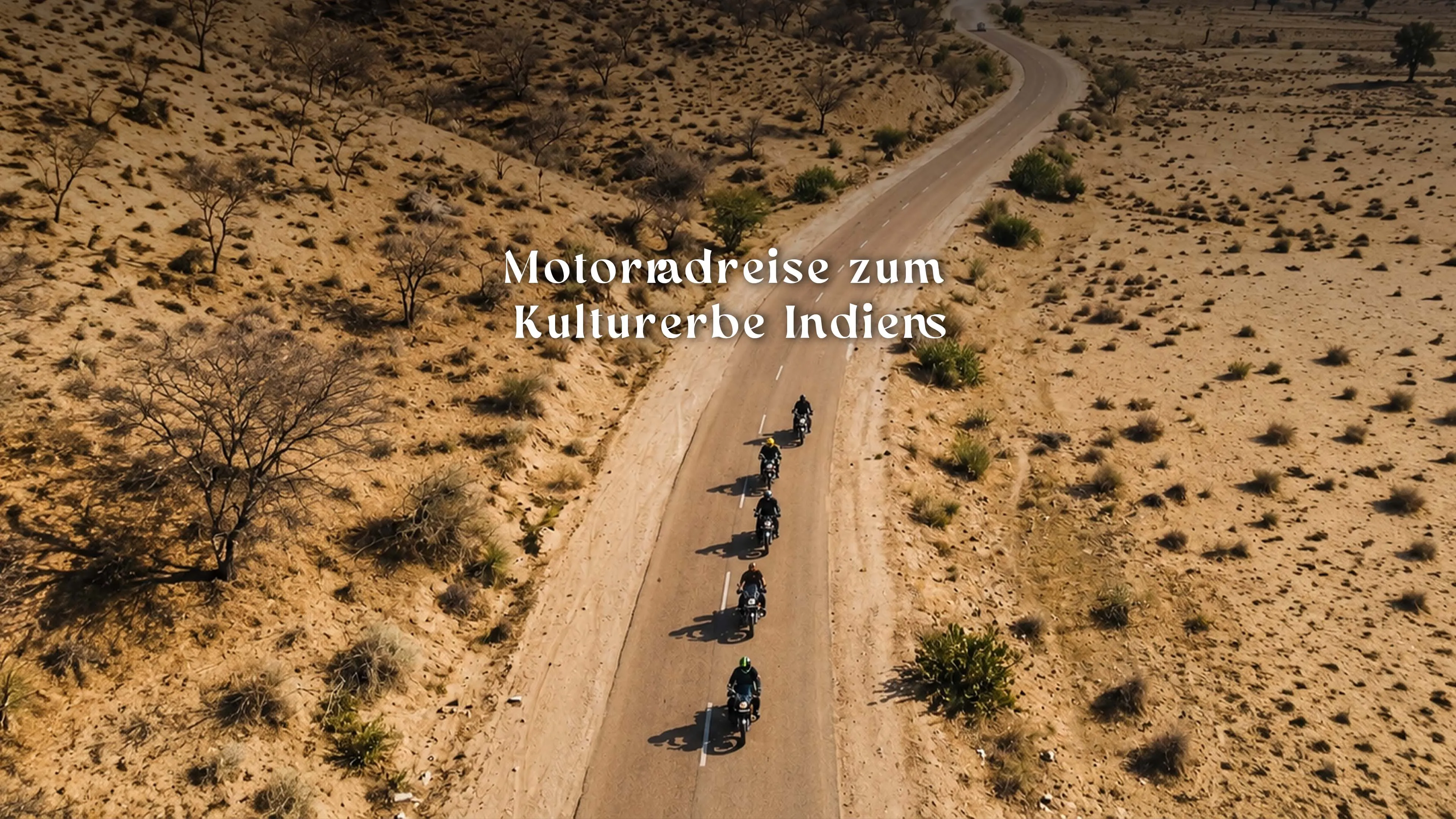
Motorradreise zum Kulturerbe Indiens
Indien ist ein Land, in dem jede Straße eine Geschichte erzählt. Jahrhundertealte Festungen thronen stolz auf Hüge ....Mehr lesen -
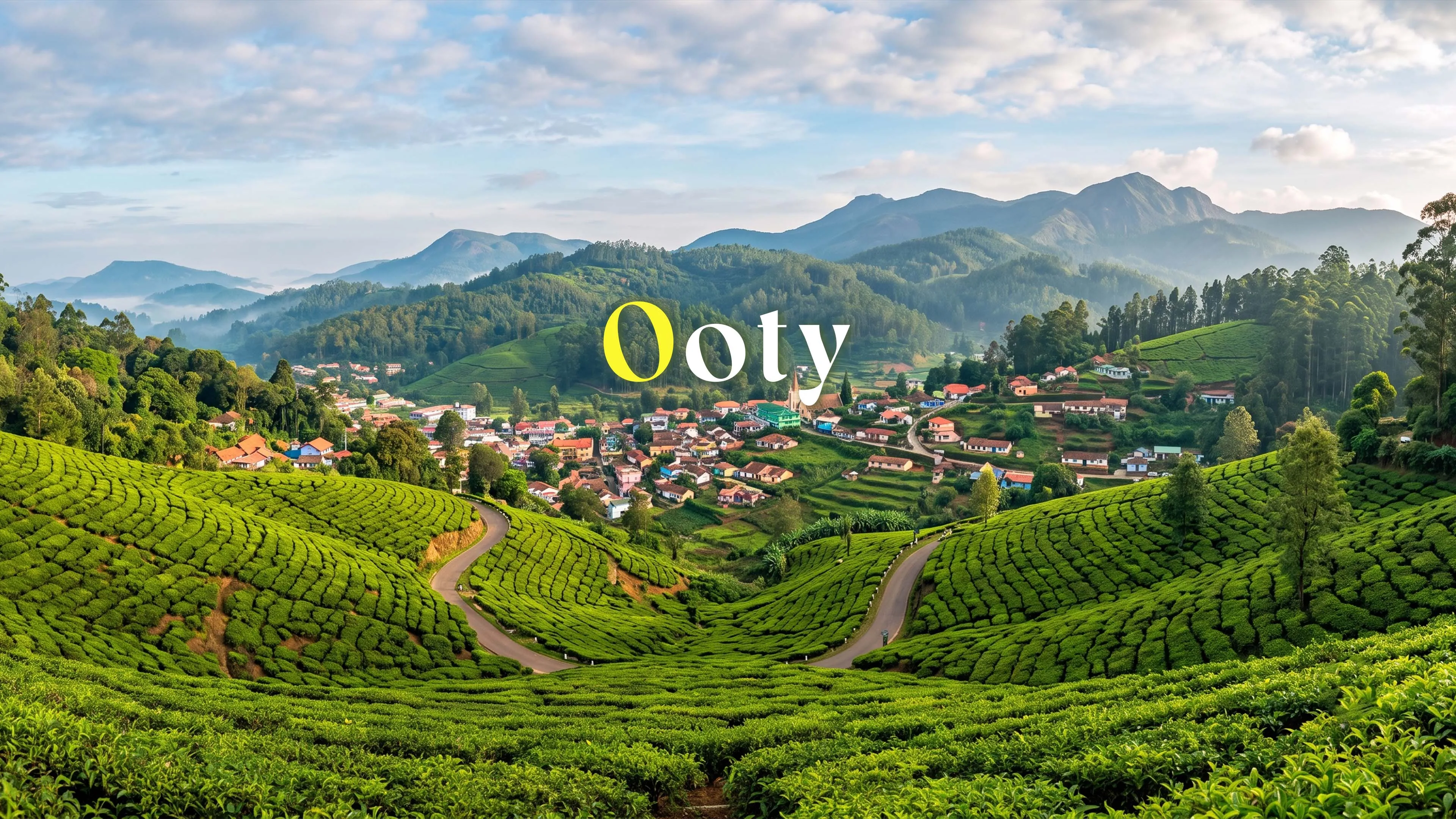
Ooty
Versteckt im Herzen der Nilgiri-Berge liegt Ooty, eine der bezauberndsten Bergstationen Südindiens. Offiziell als Udhagamanda ....Mehr lesen -
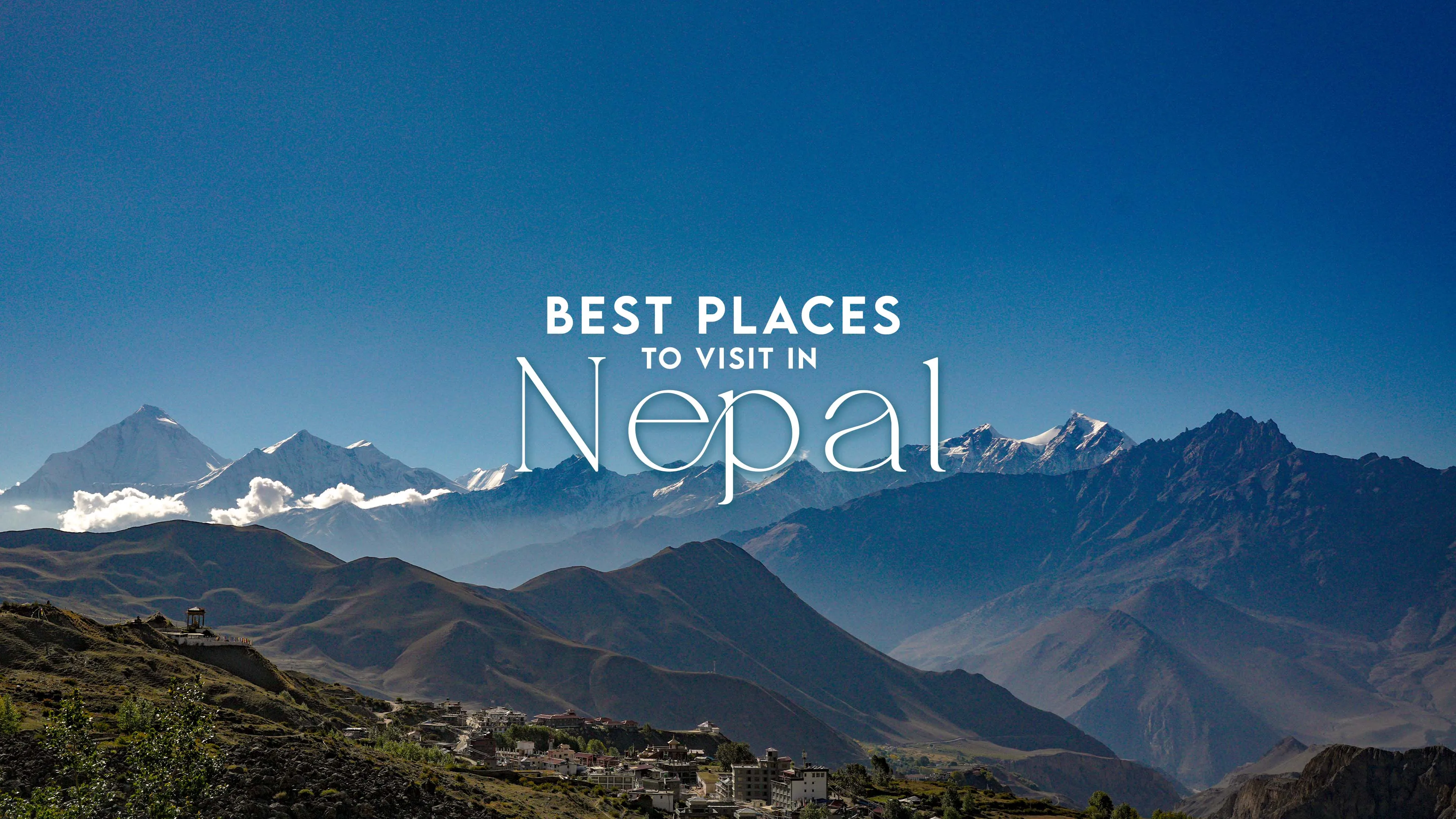
Die besten Reiseziele in Nepal
Nepal ist ein Land, in dem jahrhundertealte Traditionen, spirituelle Sehenswürdigkeiten, majestätische Berge und aufrege ....Mehr lesen -
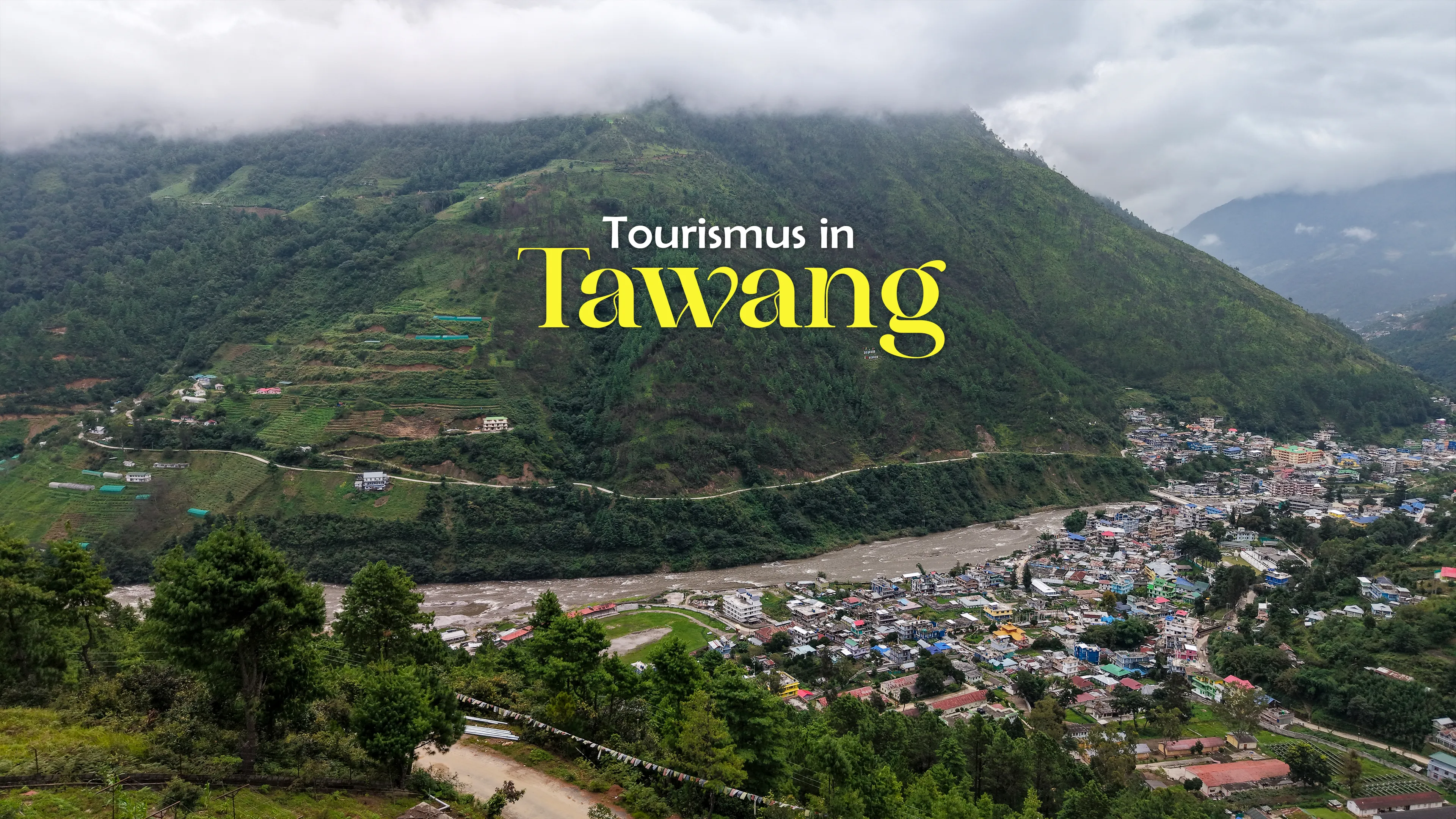
Tourismus in Tawang
Auf einer Höhe von über 10.000 Fuß im östlichen Himalaya gelegen, zählt Tawang zu den spektakulärst ....Mehr lesen